

China needs to boost consumption. Its social security drive is doing the exact opposite
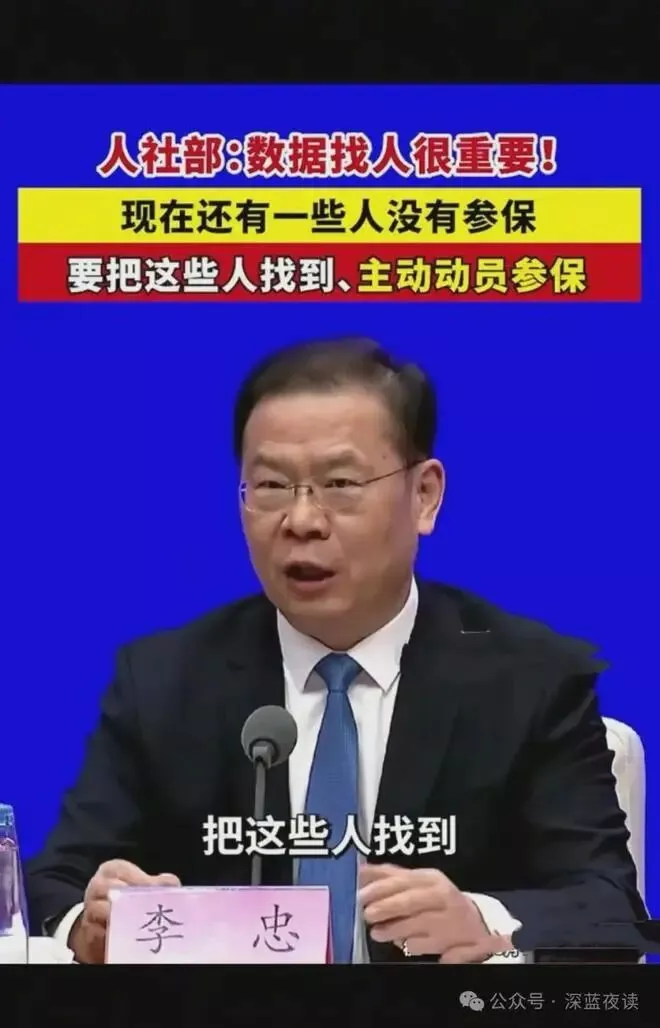
The concept quickly crystallized into a trending topic known as “social security hunting down people.”
This phrase refers to the push to bring flexible workers—laborers without a traditional corporate affiliation—into the social security system. Ranging widely in income and occupation, this population is sharply stratified: at the top are independent professionals relying on specialized skills and personal brands, such as content creators, live-streamers, and freelance experts; the middle tier includes gig economy workers who secure jobs through digital platforms, such as ride-hailing drivers and food delivery couriers; and the bottom tier consists of day laborers scrambling for temporary work at offline labor markets.
The crux of the problem is simple: Why has the dynamic shifted from individuals seeking out social security to the state having to hunt them down?
If traditional sectors like catering and manufacturing, alongside domestic service industries, were forced to fully implement mandatory social security, expecting businesses to shoulder the entire burden alone is unrealistic. Under standard practice, workers are expected to shoulder a portion of the contribution responsibilities themselves.
A flexible worker in Guangdong province recently faced a harsh economic reality when updating her social security payments. This year, the lower limit of the pension contribution base was raised from 4,775 yuan to 5,521 yuan, forcing her not only to pay at the new standard but also to cover the retroactive difference for previous months. The result was a monthly expenditure increase of over 100 yuan. Her online post about the ordeal went viral, driven by a stark realization: the mandatory social security contribution base had surpassed her actual monthly earnings.

Mandatory social security systems are designed to compensate for human cognitive limitations—many individuals tend to discount the distant future, refuse to save voluntarily for retirement, and ultimately rely on state safety nets in their twilight years. Hence, the system mandates universal pension contributions. However, when a worker earning a modest 4,000 yuan a month is forced to contribute based on a fictitious 6,000-yuan income bracket, the policy ceases to be rational, resting instead on an entirely fabricated financial assumption.
Faced with this reality, flexible workers naturally avoid enrolling, prompting social security authorities to resort to data tracking and digital surveillance to root them out.
Once pulled into the social security net, these workers immediately suffer an amputation of their current disposable income, receiving in return only a distant, highly uncertain future payout. From a macroeconomic perspective, this drainage of cash suppresses aggregate societal consumption through multiple transmission channels.
Within the broader framework of the national economy, China’s flexible workforce has swelled to roughly 200 million people, accounting for nearly half of all urban laborers. Extracting additional funds from such a massive cohort is bound to trigger profound macroeconomic fallout.
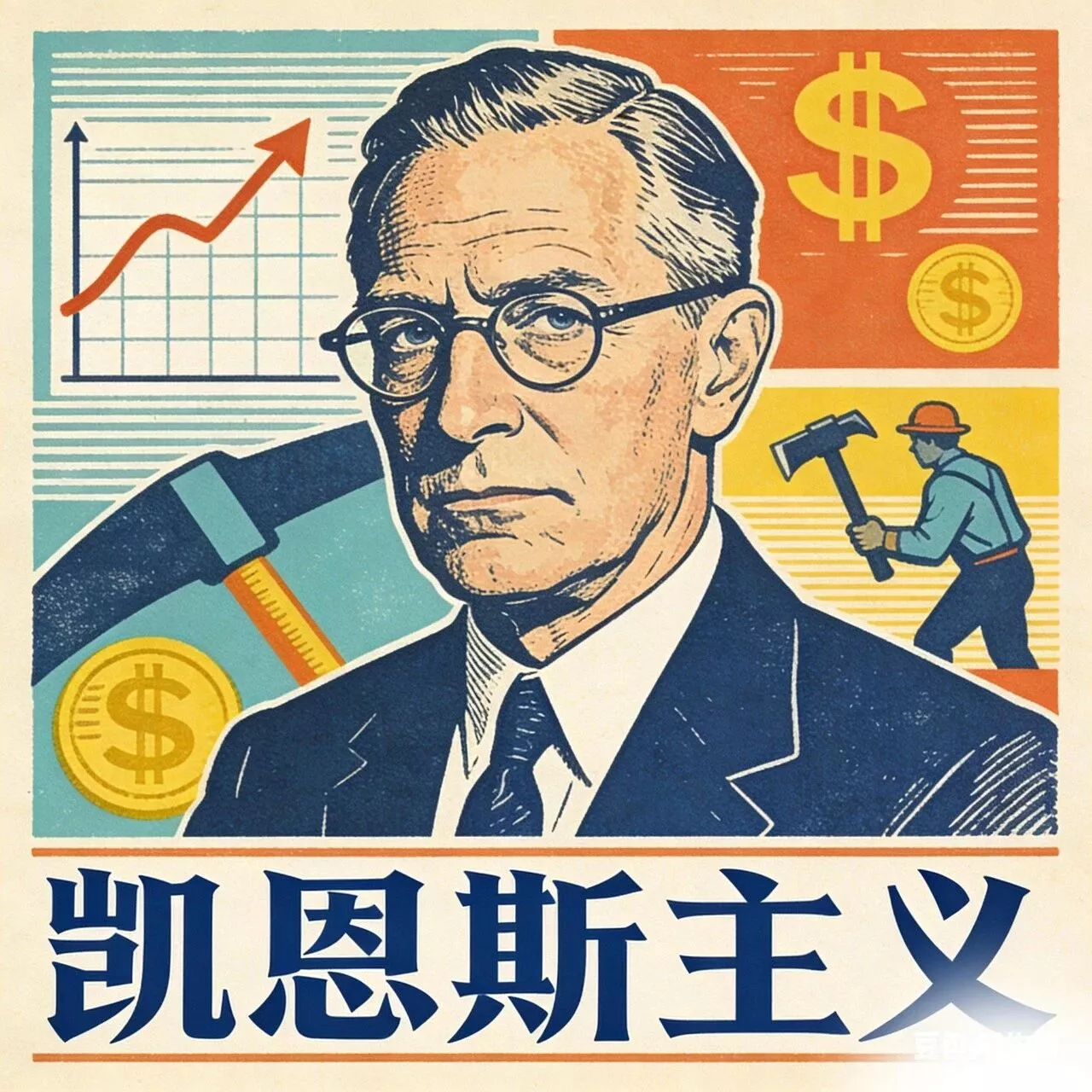
Current discussions surrounding economic stimulus are primarily anchored in Keynesian economic theory. The framework dictates that when an economy stalls and consumer demand slumps, the government should expand public spending through borrowing to fill the private sector demand vacuum, reactivate idle production capacity and labor, and generate a multiplier effect to reverse the downturn. Once recovery takes root and prosperity returns, the state repays its debts using expanded tax revenues. In short, Keynesian stimulus is the art of borrowing tomorrow’s purchasing power to spend today.
Yet the operational logic of the social security system does the exact opposite—it siphons funds directly out of current disposable incomes, shrinking immediate consumer purchasing power. Against a backdrop of sluggish economic growth, such a mechanism is entirely out of step with reality. Some defenders argue that social security operates on a pay-as-you-go model, meaning collected funds are not stashed away but immediately disbursed to current retirees.
The situation might look different if these newly gathered social security funds were channeled into upgrading rural pension guarantees, given that rural residents possess a high marginal propensity to consume and would quickly turn those extra pensions into retail spending. Critics often claim that rural residents are inherently frugal, blessed with a high savings mindset, and that boosting their income won’t spur spending. Such assertions defy basic economic principles and human nature. Fundamentals of economics teach us that low-income groups exhibit the strongest propensity to consume because their earnings are primarily absorbed by basic survival needs. High earners, by contrast, tend to hoard savings. The apparent thriftiness of rural residents stems strictly from a lack of financial capacity rather than a lack of consumer desire—who wouldn’t want to upgrade their diet or access better medical care?
The reality, however, is that these funds are funneled into urban enterprise retiree pension payment systems. The vast majority of these funds ultimately accumulate rather than circulate into immediate consumption. Take my parents in Chongqing, for instance: their monthly living expenses (excluding discretionary travel) are modest, running just over 3,000 yuan for the two of them. Viewed in this light, expanding social security coverage to frontline service workers and delivery riders effectively extracts cash from individuals with limited incomes but soaring consumer demand, transferring it instead to retirees with a relatively low marginal propensity to consume. This capital flow directly contradicts the overarching national goal of boosting domestic demand and expanding consumption.
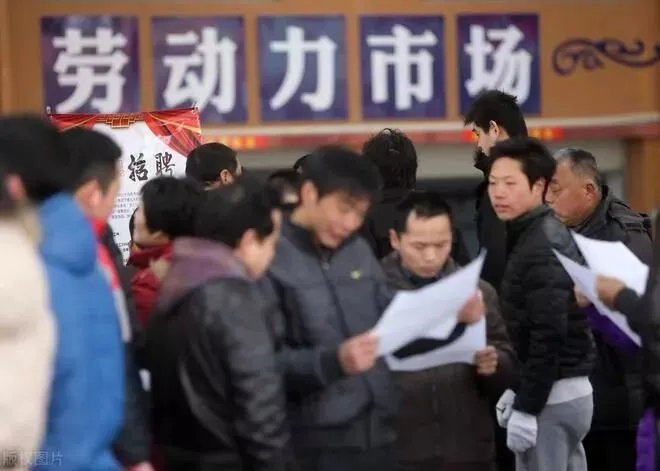
Even more concerning is that mandatory social security contributions inflate operating costs across a swathe of industries, ultimately threatening to shrink their overall market scale.
Food delivery couriers offer the most vivid illustration, as they are easily tracked via digital platform data and sit at the center of current public attention. In truth, delivery riders already have access to voluntary social participation channels. Under current arrangements, as long as monthly earnings cross local minimum contribution thresholds, couriers can opt in voluntarily, with tech platforms subsidizing half the cost. Still, this falls short of full urban employee benefits and lacks mandatory enforcement. If policymakers pivot to universal mandatory enrollment—a step frequently cheered by online commentators—whether those advocates have financially prepared themselves remains a very open question.
According to recent platform disclosures, Meituan counts roughly 7.45 million active couriers on its platform, while rival Ele.me hosts over 4 million active riders. Combined, the top two tech giants house a delivery army exceeding 10 million workers.
Among them, full-time career couriers account for only about 10%, or roughly 800,000 individuals who log more than 260 delivery days a year. The overwhelming majority operate on a part-time or per-order freelance basis. If all riders were forced into mandatory social security, individual monthly expenditures would jump by roughly 1,000 yuan, slashing annual disposable income by over 10,000 yuan. Faced with this cost surge, platform enterprises would naturally trim their hiring scales; while a handful of part-timers might transition to full-time roles, the inevitable result would be millions of couriers squeezed out of the market entirely.
A more realistic outcome is that mandatory social security will drive these laborers into even more fragmented multi-apping and cross-industry moonlighting—simultaneously grabbing orders across rival platforms, juggling gigs in multiple sectors, or slipping into informal labor markets completely untouched by intermediaries. Because current social security subsidies apply to only a handful of major platforms, blanket mandatory enforcement would transform non-platform informal labor black markets into regulatory blind spots. The final safety valve of last resort—the fallback option that “if things get too tough, I can always go deliver food”—would be permanently bolted shut.
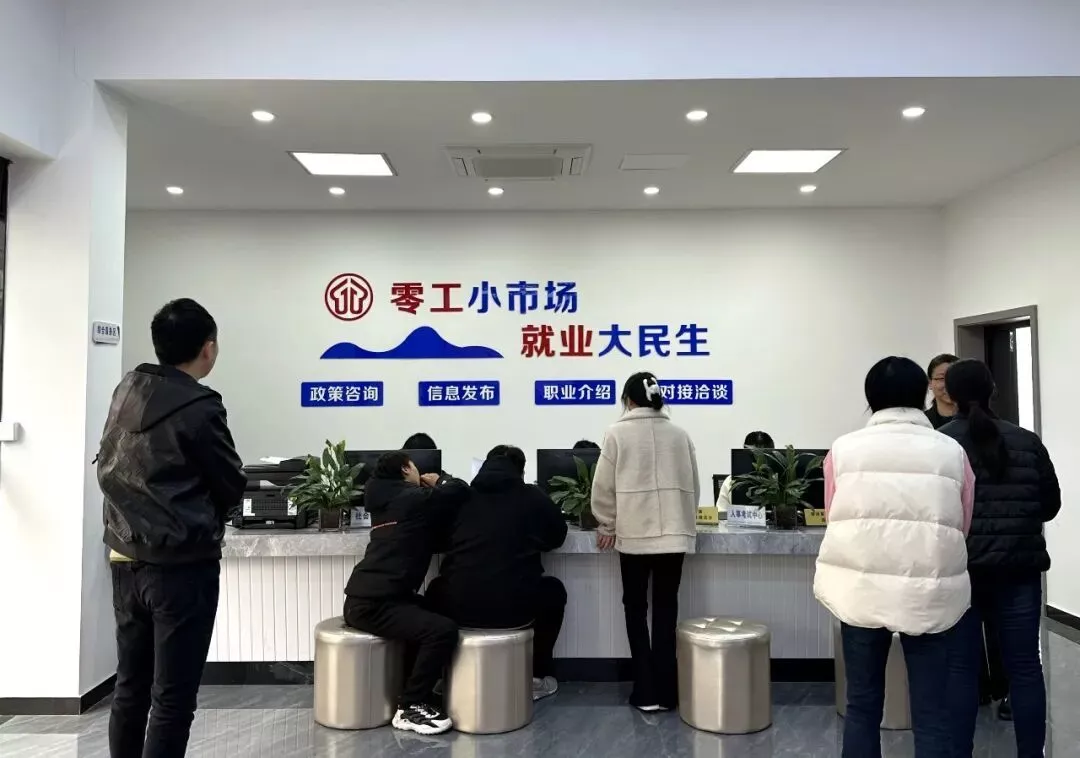
The deeper economic shock hits the bottom line: a median courier pulls in roughly 7,000 yuan a month. Guaranteeing them a complete package of mandatory five social insurances and one housing fund while preserving their 7,000-yuan net take-home pay would require platforms to expand total labor costs by about 2,000 yuan per worker. Multiplying that across the massive courier headcount and a full calendar year pushes the annual bill past 50 billion yuan. While critics casually suggest that platforms should simply absorb the expense, reviewing corporate financial statements reveals that these internet giants swing between profitability and losses, with peak profit years yielding barely 30 billion yuan—rendering them utterly incapable of footing the bill alone. Even if they split just one-tenth of the burden, a 5 billion yuan annual price tag remains an unbearable weight.
That leaves price hikes as the only viable escape hatch. Spreading a 50 billion yuan cost across roughly 40.15 billion annual orders translates to a price increase of over 1 yuan per order. The catch is that consumers exhibit acute price sensitivity toward food delivery. Once prices tick upward, millions of users will scale back order frequencies or pivot entirely toward dine-in restaurants and home cooking. This behavioral shift will contract total order volumes across the entire delivery market. Fewer orders will, in turn, depress courier dispatch rates and earnings, delivering yet another blow to an already battered catering sector.
The courier social security dilemma is merely the tip of the iceberg. Once delivery riders are dragged into mandatory coverage, waitstaff and kitchen crews in the catering industry will follow suit. Across small- and medium-sized dining establishments, underpaying or skipping social security contributions has long mutated from an isolated exception into an open industry unwritten rule. Requiring every single staff member to be covered in full would instantly inflate corporate labor costs by 20% to 30%. For a typical 20-person restaurant, that translates to an extra 200,000 yuan in annual overhead.
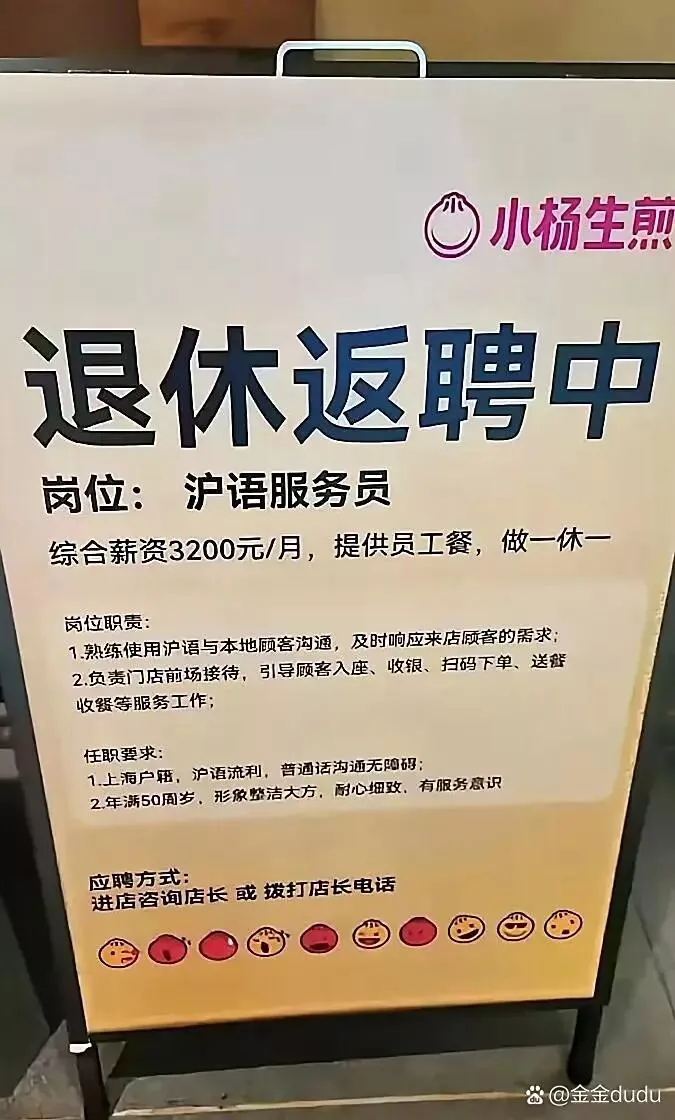
To dodge exploding social security bills, dining establishments will inevitably tilt toward hiring older laborers—effectively squeezing young job-seekers out of the entry-level workforce.
The severe distress gripping China’s catering industry requires little elaboration. Throughout 2025 alone, nearly 3 million dining outlets shuttered their doors, translating to an average of over 8,000 shops vanishing every single day. Even more alarming is the shrinking lifespan of restaurant businesses—plummeting from 2.1 years a decade ago to a mere 15 months today. A friend operating in the catering space confessed that if these social security policies had been rolled out back in 2018, businesses might have absorbed the blow as a temporary margin squeeze without threatening survival. Imposing them as a mandatory mandate at this precarious juncture, however, transforms into a literal life-or-death crisis that many establishments simply cannot survive.
The agony of the catering sector is just the beginning. Flexible workers embedded within the manufacturing industry will soon face identical pressures to enroll. In manufacturing, adjusting workforce numbers dynamically based on seasonal fluctuations or order surges is standard operational practice, and these temporary or contract workers firmly belong to the flexible employment category. Given the paper-thin profit margins typical of manufacturing, any forced escalation in social security overhead threatens to push marginally surviving operations straight into the red.
This dynamic brings to mind the famous Laffer Curve, originally sketched out on a restaurant napkin in Washington back in 1974 by economist Arthur Laffer. He used the inverted U-shaped curve to illustrate the hidden perils of excessive taxation to White House aides—demonstrating the fundamental paradox that once tax rates climb past an optimal threshold, total tax revenues actually begin to plummet. The logic is strikingly simple: punitive tax rates drive businesses into bankruptcy, and once firms go belly up, tax collections drop to zero. Regardless of terminology or operational nuances, from a corporate ledger perspective, mandatory social security contributions function purely as a forced extraction of capital—making them economically indistinguishable from taxes. During an economic downturn, tax relief should stand as the most basic matter of economic common sense.

While the original intent behind strengthening the social safety net is undeniably noble, the execution of such policies must carefully weigh current macroeconomic realities. This brings the issue down to a critical question of timing. According to latest statistics, by the end of 2025, the combined cumulative reserves of China’s three major social insurance funds—spanning pensions, unemployment, and workplace injury—reached a total income of 9.1 trillion yuan against 8.1 trillion yuan in expenditures, leaving a cumulative surplus pool of 10.2 trillion yuan and demonstrating highly stable overall operations. When policymakers stare down a reality where social security coffers sit well-funded while the broader economy cries out for tax relief and stimulus, the correct path forward should be self-evident.