

Can you guarantee the new teacher won’t get pregnant? Why China is talking about baseless complaints
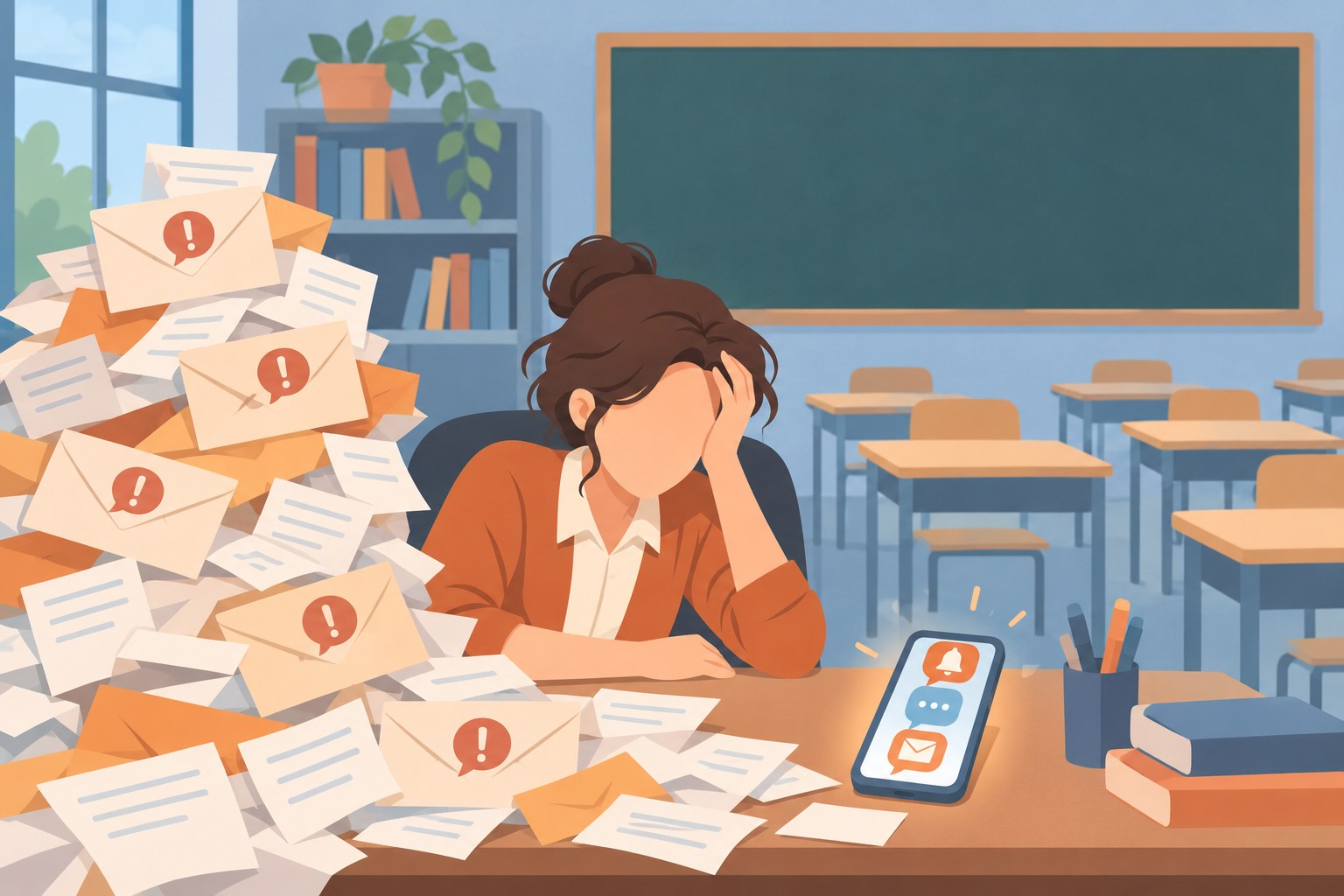
When a primary school homeroom teacher went on maternity leave and the school assigned a new teacher to the class, one parent filed a complaint: “Do teachers really have to have children? Can you guarantee the new teacher won’t get pregnant?”
At another school, students took turns cleaning the toilets as part of labor education. That drew a complaint too: “Can’t the teachers do it? Is there no money to hire cleaners?”
Cases like these have troubled many frontline teachers in China for some time. The problem drew attention recently after Morning News, a program on state broadcaster China Media Group (CCTV), reported on it. A commentary on the Chinese news portal ifeng.com argued that such false and irrational complaints are wearing away trust in education.
A shortcut for pressuring schools
School complaint channels were set up to police teacher misconduct and protect students’ rights, the commentary said. In some places, though, they have become a convenient tool for a small number of parents to pressure schools.
A complainant can often start the process with a single click. The teacher named in the complaint must then pull surveillance footage, write explanatory reports and sit for interviews, spending large amounts of time and energy to prove their innocence.
The commentary traced the problem mainly to how the system works rather than to individual attitudes. Many localities open an inquiry as soon as a complaint arrives, without asking the complainant for even basic evidence. The result, it said, is that reporting costs nothing while self-defense costs a great deal.
Evaluation targets add to the problem. Some regions set complaint resolution rates and satisfaction rates as hard metrics. To avoid public-opinion risks, schools often try to smooth things over, and even when an inquiry finds no evidence, the teacher frequently still bears the negative consequences.
Strict teachers get reported, lax ones don’t
According to the commentary, the whole education system pays the price. Teachers who are willing to take charge are more likely to cross a line and draw complaints, while those who let things slide can keep a “zero-complaint” record. Some teachers are reported for being too strict, then reported again for loose classroom discipline once they ease up.
Routine work such as class management, chores, teacher rotation and seating arrangements has turned into a source of risk. School administrative resources are tied up, trust between families and schools erodes, and the students in the classroom ultimately bear the consequences, the commentary said.
It also pointed to longer-term social changes. When school-age children were plentiful and good school places were scarce, education was a seller’s market and parents held back their demands. As enrollment patterns shifted, schools came under pressure to compete for students and to meet public-opinion targets. That weakened their bargaining position and led some parents to expect that complaining works.
At the same time, public awareness of rights has grown. In the digital era, views on discipline, chores and teacher rotation have diversified, diluting traditional consensus on education. The commentary argued that rights have limits, and that without buffers in the system, disagreements can easily turn into confrontation.
A tiered fix
The commentary called for raising the threshold for irrational complaints, strengthening ways to clear teachers named in false ones and correcting the evaluation system. Above all, it proposed sorting complaints by severity before acting on them.
Under that approach, disputes over staffing changes, teaching arrangements or misunderstandings would be handled first through face-to-face talks with a designated school staff member. They would not be formally filed or recorded in a teacher’s negative file.
For cases involving factual disputes or service shortcomings but no question of professional ethics, complainants would need to provide basic evidence, and the school would review the matter internally and respond within a set time. Formal investigations would be opened only for serious cases, such as suspected ethics violations, illegal fees, corporal punishment or harm to students’ rights.
The burden of proof should rise with the severity of the complaint so that limited investigative resources go to cases that truly need them, the commentary said. It concluded that complaints should return to their original purpose of correcting wrongs, and that classrooms should be given back to teachers willing and able to manage them.