

He gave up tenured professorship in Texas. Why this stem cell pioneer returned to China
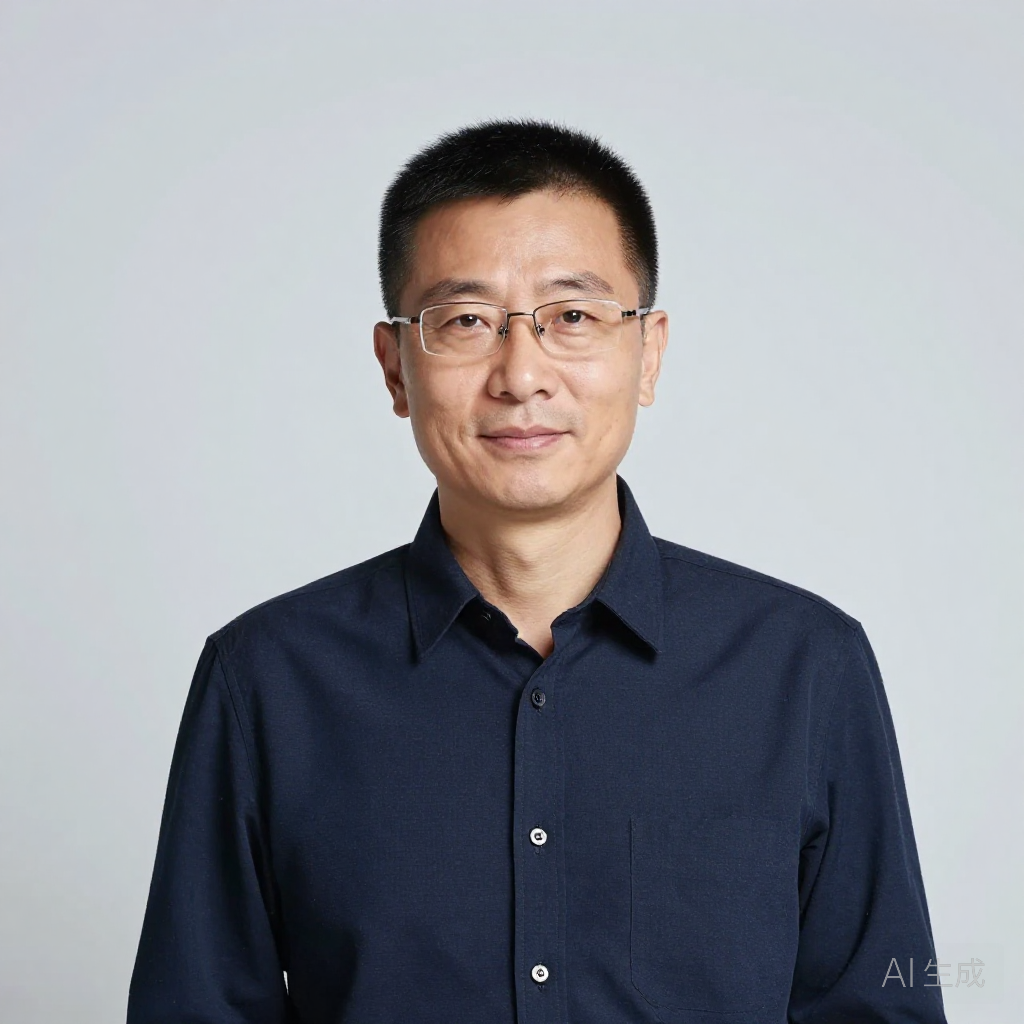
What does my research involve?
My professional focus lies in regenerative medicine and organ transplantation. The earliest developmental stages of how a human develops from a single fertilized egg into a mature individual have long remained shrouded in mystery. Scientists were previously unable to directly observe these stages due to ethical and legal restrictions on using real human embryos in experiments. However, the development of stem cell technology has changed this landscape—in laboratory culture dishes, we have successfully cultivated blastoid structures, allowing us to observe and study human early development for the first time without touching real embryos. This breakthrough holds profound significance for preventing miscarriages, reducing neonatal birth defects, and treating fertility issues.
Pushing this research deeper involves “chimera” technology. In 2017, we successfully created human-pig chimeric embryos, opening up the possibility of using animals as “biological factories” to grow organs suitable for human transplantation. A series of critical achievements followed successively, earning me the Young Investigator Award from the International Society for Stem Cell Research. These achievements also attracted high attention from U.S. research institutions hoping to maintain their competitive edge in this field.
Our long-term research revolves around a fundamental life science question: how a single fertilized egg gradually evolves into a complex, fully functional living organism. Through studies on stem cells, embryo models, and chimeras, we aim to decode the secrets of cell fate determination, reveal cell-to-cell cooperation mechanisms, and understand the formation principles of different tissues and organs. Based on these insights, we plan to achieve the reconstruction and regeneration of cells, tissues, and organs either in vitro or in vivo, providing new pathways for disease modeling, high-throughput drug screening, regenerative medicine practices, and organ transplantation. Furthermore, this technological framework can serve animal husbandry and help save endangered species.
Why choose Westlake University?
The fundamental reason I decided to return to China is that the Chinese government has continuously increased its investment in original research, long-term projects, and high-risk basic science, while actively fostering a research ecosystem that encourages free exploration.
Life science research in China has achieved leaps and bounds, with massive improvements across funding investments, experimental facilities, and talent pools. The fields of stem cells and embryonic development contain numerous unresolved basic scientific puzzles, and certain research directions require years or even longer to yield major breakthroughs. This demands that research institutions provide long-term stable financial support, gather world-class research talent, and maintain an open and inclusive academic atmosphere.
Westlake University’s emphasis on original basic research left a deep impression on me. It provides scholars with ample exploratory freedom, equips them with exceptional research facilities, and builds interdisciplinary collaboration platforms. All of this gave me sufficient confidence to believe that I can conduct longer-cycle, higher-difficulty scientific research here and have the opportunity to produce internationally competitive innovative achievements.
A new journey after returning
In the first stage after returning, I will continue along my established research trajectory, utilizing stem cells, embryo models, and cross-species chimeras to deeply reveal the basic laws of early life development while translating them into disease research and regenerative medicine practices.
At the same time, new research territories are opening up to us. Specifically, I intend to integrate artificial intelligence technology into the study of stem cells, embryos, and organ models, allowing algorithms to help us gain insight into cell differentiation choices, embryonic evolutionary history, and tissue and organ construction mechanisms, thereby exploring more scientific and precise methods for designing complex tissues and organs.
There is another equally attractive research topic: using stem cell technology to deeply study the unique biological characteristics possessed by different species. For example, the low-temperature tolerance mechanism of hibernating animals, and the tumor resistance and aging-delay capabilities of naked mole rats. We plan to establish stem cell banks and model systems for related species, decode the molecular basis behind these extraordinary abilities, and then explore whether the research results can be translated into human disease prevention, aging control, and organ regeneration.
A word from the heart to young researchers
My first piece of advice to young people aspiring to engage in basic research in the life sciences is that you must possess a sincere passion for science itself and a strong internal drive to independently explore the unknown. This is the minimum threshold for basic research work.
The path of scientific research is strewn with obstacles and failures. Without deep-seated love and interest, it is difficult to sustain long-term persistence. Scientific research also requires a massive investment of patience; quick success and instant gratification mentalities are major enemies. Scientific breakthroughs with far-reaching impacts usually carry years of accumulation and may take several years or even decades to finally achieve.
Therefore, young researchers should focus their sights on the academic questions they truly care about in their hearts, casting aside blind pursuits of paper counts and short-term results. In my view, scientific research is not only a career choice but also a lifelong vocational pursuit and part of one’s way of living. When one can always maintain a sense of curiosity and inquiry toward the world and derive satisfaction from the process of deciphering the unknown, even when facing setbacks and frustrations, one can continuously draw nourishment to keep moving forward.