
China’s Gen Z is writing wills in their twenties. Not for money, but for peace
Traditionally, drafting a will is seen as a solemn task reserved for the elderly or those facing the final chapters of life. Yet, a quiet shift is underway across China: a growing number of young people in their twenties and thirties are drawing up wills long before any health crisis looms.
These young testators are not grappling with terminal illnesses. Instead, a series of sudden partings—from the loss of close family members and friends to the passing of public figures—has brought the fragility of life into sharp focus. For this generation, mortality is no longer a distant abstraction.
This realization sparks a profound question: If life were to end abruptly, what would I leave behind? As a result, the centuries-old legal document has been radically reinvented.
Today, a young person’s will is rarely limited to asset allocation. It has transformed into an exercise in deep self-reflection and a vessel for emotional closure. Some use it to express unspoken affection to loved ones, while others treat it as a dialogue with their own souls. Read together, these documents offer a vivid portrait of a generation trying to define their existence with independence, resilience, and clarity.
Finishing Unfinished Business
When Ran Feng turned 20, she handed a sealed envelope containing her newly drafted will to her parents. Her primary motivation was practical: she wanted a reliable way to ensure her parents would remember her birthday every year. “No one used to mark the date, and that particular birthday was one I had to bring up myself,” she recalled.
Her parents’ reactions were predictable. Upon seeing the bold characters on the envelope, her mother blurted out, “It’s your special day, why are you talking nonsense?” Her father remained silent, gently tucking the envelope into his coat pocket as if cradling something fragile. Ran Feng explained her reasoning simply: “If I were to go first, I worried you wouldn’t even be able to unlock my phone, let aside find where I keep my savings.”
Though she felt anxious handing over the document, the act ultimately brought her an unexpected sense of calm. “I am an adult under the law. What does adulthood really mean? It means taking responsibility—even when that responsibility points toward the possibility of one’s own demise.”
Beyond a modest sum of savings, her will allocates a few cherished possessions and emotional tokens: a cat, a camera, and her favorite photograph.
The cat, named Changle, was a stray she rescued off the street about a year ago. Ran Feng lives away from home for work, renting a place next door to an elderly landlord whose children rarely visit. The older woman frequently cooks for Ran Feng, looks after Changle while she is at work, and invites her out for walks. In her will, Ran Feng arranged for Changle to stay with the lonely neighbor if anything should happen to her.
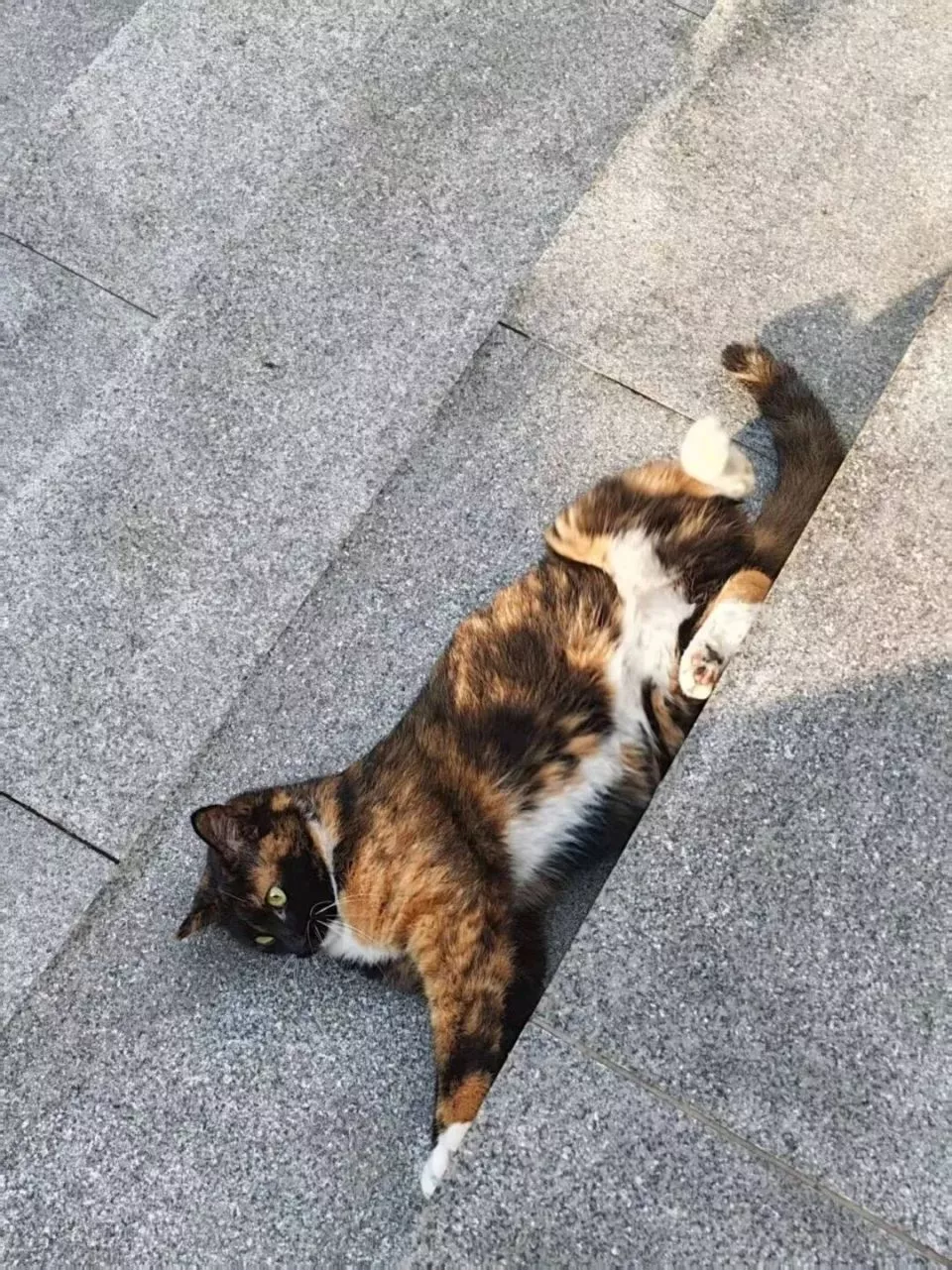
*Ran Feng’s cat, Changle.
The camera—a high-end Canon model she stretched her budget to purchase—was earmarked for her younger cousin, an aspiring photographer whose work she admired. Though her cousin currently believes he is merely borrowing the equipment, it was always intended as a gift.
The designated portrait for her eventual memorial was snapped by a college roommate during a trip to Qingdao. “It was a candid shot where my smile looked completely unlike my usual self. For the first time, I felt genuinely happy with my appearance.”

*Ran Feng by the sea in Qingdao.
Ran Feng first toyed with the idea of a will during grueling hospital visits. Unlike many of her peers, she had paid her own way through college in Beijing, relying on demanding tutoring gigs that stretched from 8 a.m. to 8 p.m. over the weekends. The resulting exhaustion and irregular diet took a heavy toll on her health. After collapsing from dizziness and cold sweats on a student’s doorstep—an incident she later discovered had caused a hairline fracture—she witnessed firsthand the chaotic reality of hospital wards.
“Some families were drowning in grief, while others tore each other apart over inheritance splits,” she said. “The absurdity of it all was that the deceased were entirely forgotten. That experience convinced me that writing a will isn’t premature at twenty. Death doesn’t wait for old age. I’ve always been independent, and I refuse to leave a mess behind for anyone else.”

Learning to Face the Fear
For Ji Yang, the catalyst was entirely different. The sudden death of a beloved celebrity left her sitting alone in her office, tears blurring her vision for hours.
As a working mother in Shanghai, Ji Yang was already familiar with the city’s unforgiving cost of living and the grim news stories of young professionals dying unexpectedly. “We are learning to accept a brutal truth: tomorrow comes with no guarantees,” she noted. Without a clear will, modern family structures—triangles spanning elderly parents, young children, and a spouse—can easily fracture into bitter legal disputes over property and assets.
After consulting artificial intelligence guidelines to ensure legal validity, she drafted and hand-copied two versions of her will, allocating every asset to its proper place so she could “walk away with a clean slate.”
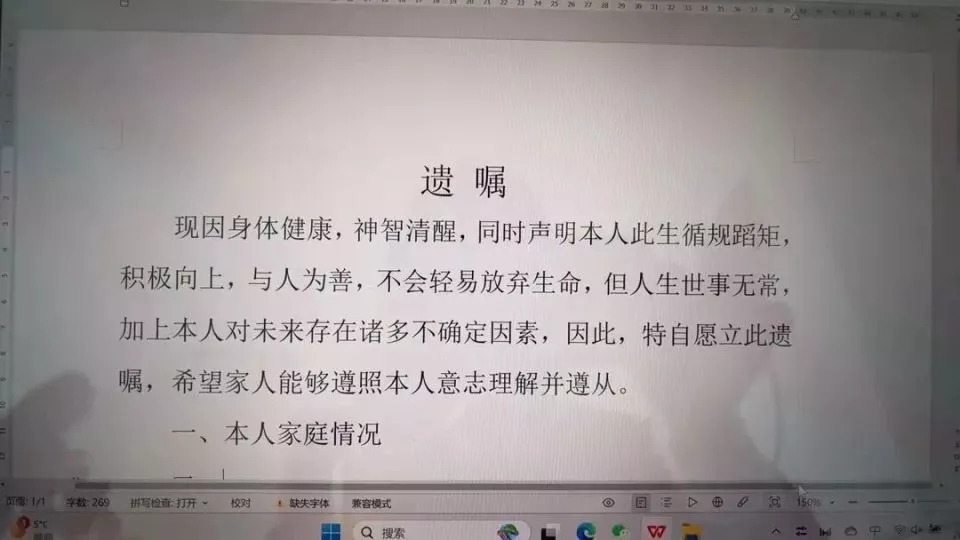
*A glimpse of Ji Yang’s document preparation.
Though she admits to harboring a lifelong fear of death, finalizing the document paradoxically granted her peace of mind. Her priorities shifted entirely toward guiding her child to grow into an independent, grounded individual.
Similarly, Mia, a professional approaching thirty, completed her will within a month of her grandmother’s passing in late 2024. Growing up in a family tied to the cemetery industry, Mia never viewed death as a taboo. She has mentally marked age 50 as her personal horizon—not as an expiration date, but as a lens to appreciate every subsequent day as a bonus.
Listing out digital assets—from phone passcodes to social media accounts—made Mia realize that her savings had quietly accumulated over years of diligent work. Reflecting on her grandfather’s tree burial site, she imagined her own farewell: a simple white urn, a ceremony held in the dappled sunlight of a forest, and guests encouraged to eat, drink, and celebrate nature rather than mourn.
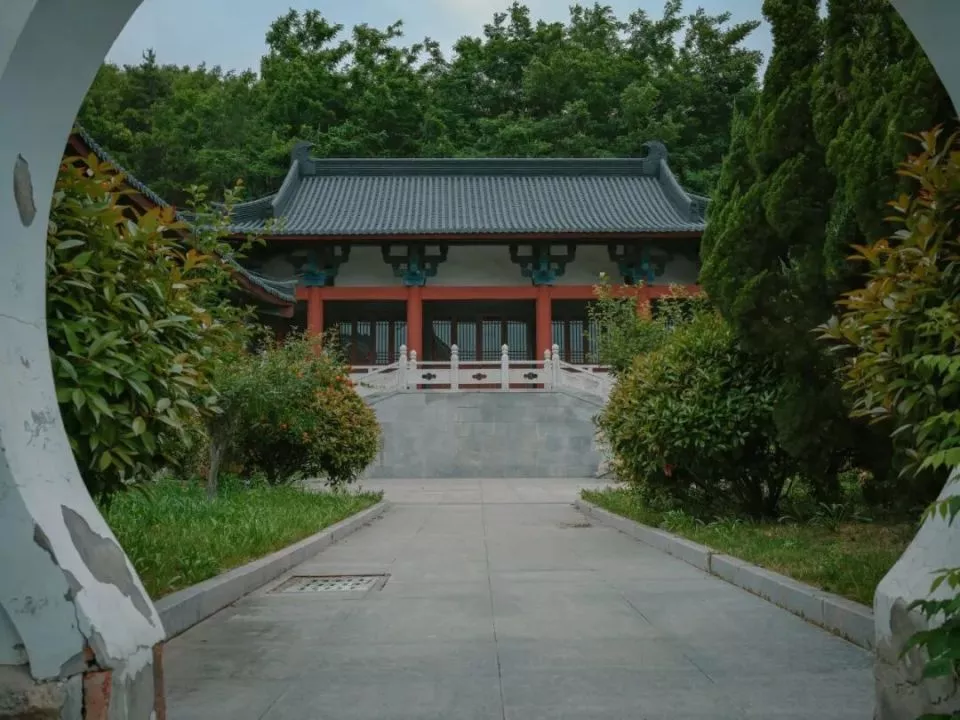
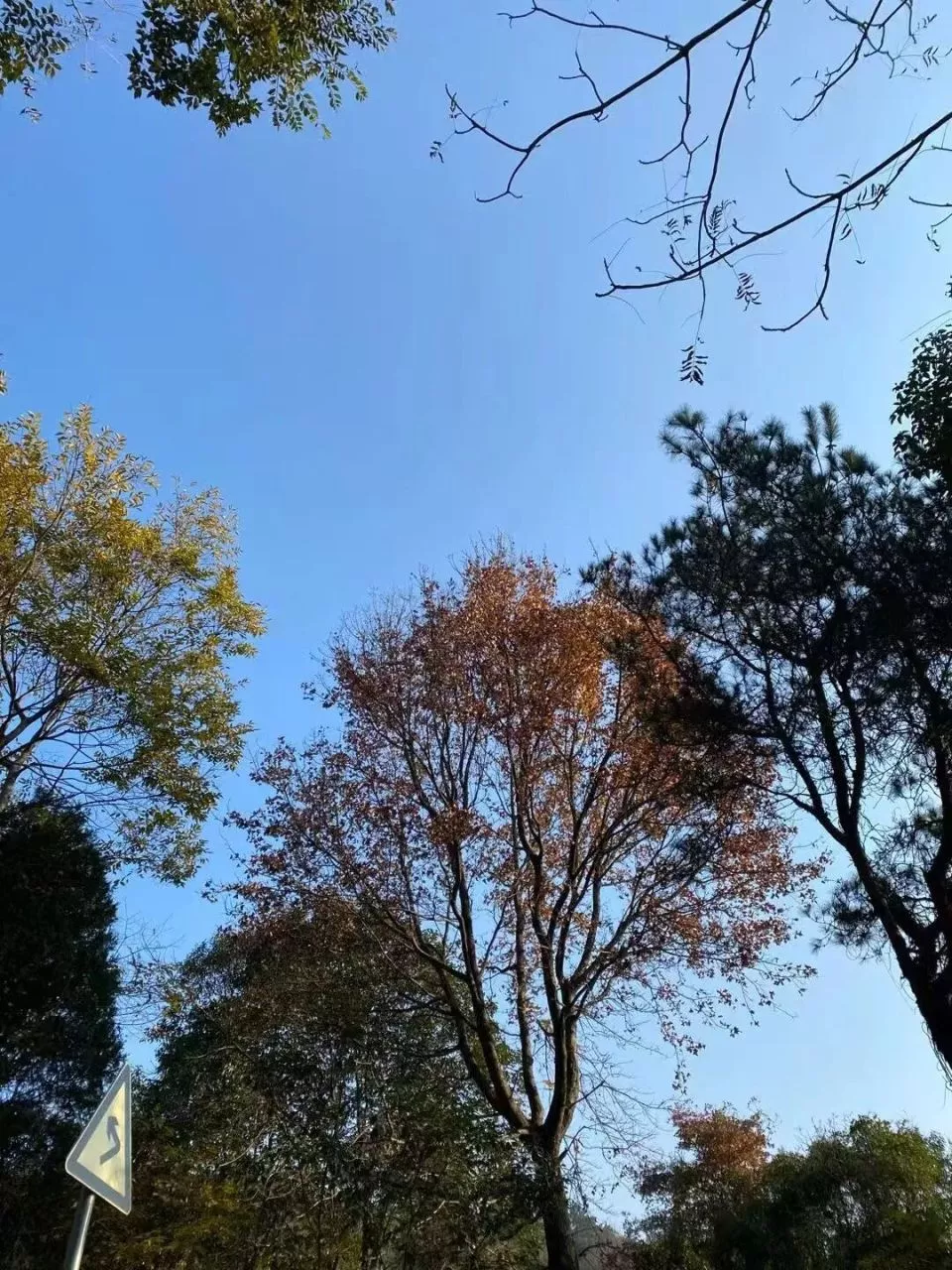
*The sky captured by Mia during her grandfather’s funeral.
Leaving Words, Not Just Wealth
Yingzi, a 35-year-old professional, approached her will from an entirely emotional angle. “I don’t have real estate empires to divide. The true meaning of my will is to record the things I’m afraid I won’t have time to say.”
Her perspective was shaped by finding a preserved red packet containing two crisp 1-yuan notes and a 2003 newspaper clipping left by her grandfather decades ago. Holding that tangible piece of affection from a departed relative transformed how she viewed her own legacy.
In her will, Yingzi set aside a small travel fund for two close friends in Beijing, imagining them laughing and grumbling over her thriftiness while taking the trip in her stead. She also designated all of her deeply personal artwork to a trusted confidant who would truly understand their value.
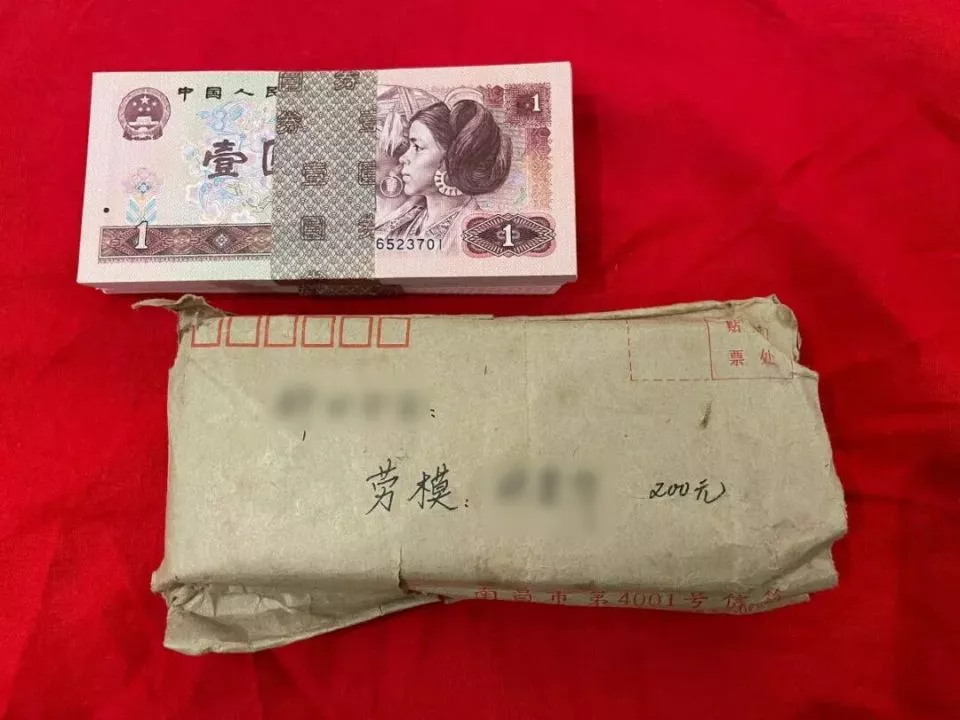
*The monetary gift left to Yingzi by her grandfather.
Calling herself a “positive pessimist,” Yingzi believes that acknowledging the worst-case scenario is the only way to live fully. “Once you’ve made peace with the final goodbye, you can embrace every ordinary moment with total sincerity. Every hug becomes an earnest farewell.”

With a lawyer relative and a childhood friend trained in finance appointed as executors, she hopes the document will gather dust for decades. But the act of signing it brought a singular realization: with the final arrangements settled, the only thing left to do is to live.