

Washington just banned American capital from China’s biotech sector. Beijing is already fighting back
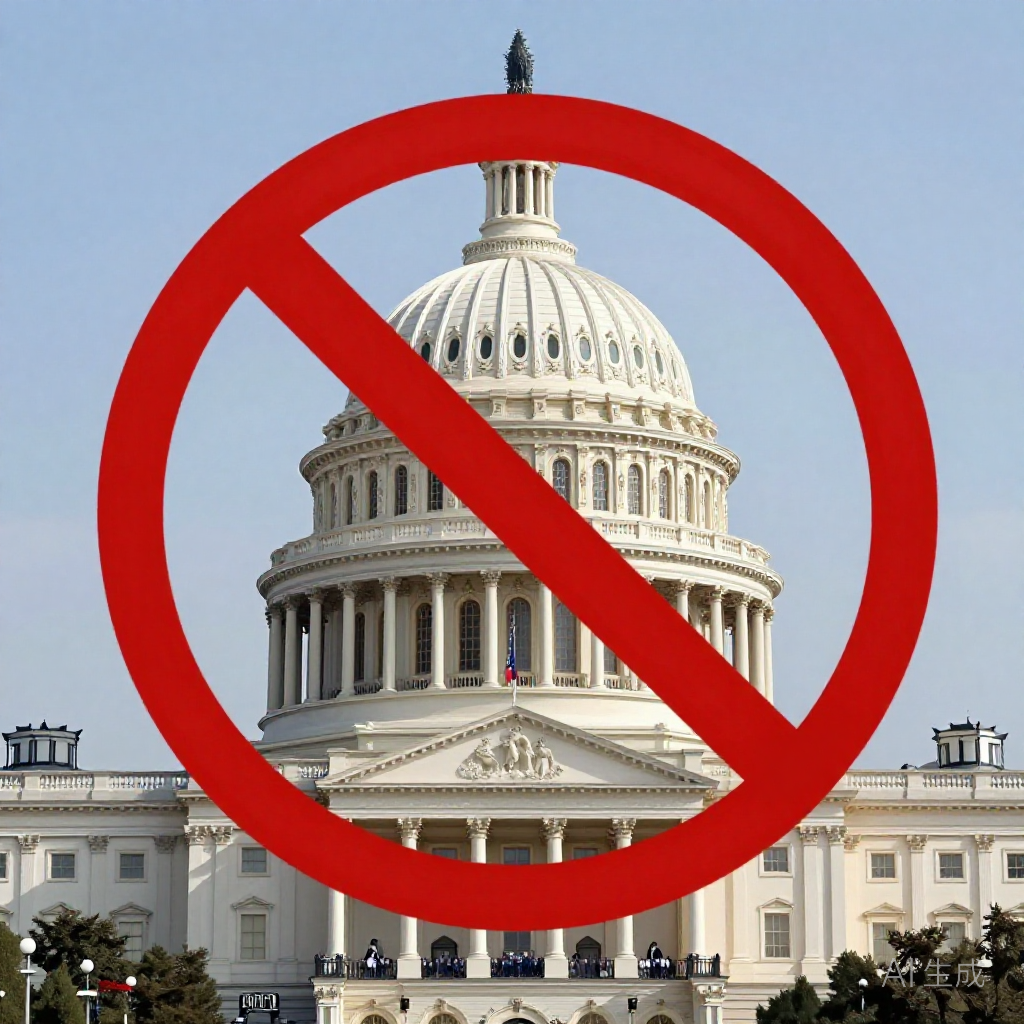
The Treasury Department is updating its regulations to restrict US investments in biotechnology enterprises in rival nations like China https://t.co/RK1GRXjAQS
— VOA Chinese (@VOAChinese) October 23, 2026
Seeking to safeguard national security, the U.S. Department of the Treasury unveiled sweeping regulatory measures targeting high-tech investments in rival nations, officially placing biotechnology under strict investment bans for the first time.
The updated rules build upon the Outbound Investment Security Program (OISP), a framework initiated by an executive order signed on August 9, 2023, and formally rolled out in early 2025.
The regulatory framework restricts investments by American firms and citizens in designated countries and regions, including China, Hong Kong, Macau, Cuba, Iran, North Korea, Russia, and Venezuela. Previously, the ban encompassed five strategic technology sectors: semiconductors and microelectronics, artificial intelligence (specifically advanced or superintelligence systems), quantum information technologies, high-performance computing, and hypersonic systems. Under Treasury Secretary Scott Bessent, biotechnology was formally added to the prohibited investment list.
This regulatory adjustment stems from the Comprehensive Outbound Investment National Security (COINS) Act, embedded within the National Defense Authorization Act (NDAA) for Fiscal Year 2026. The COINS Act marks a major evolution in U.S. outbound investment controls, transitioning what was once an executive order-based framework into permanent federal statute following its passage in late 2025.
The expansion significantly broadens Washington’s reach. The legislation mandates that U.S. enterprises and individuals notify the Treasury Department in advance regarding specific investment projects while imposing outright bans in sensitive areas. At the same time, the list of restricted nations has grown, though Venezuela was notably removed in the latest Treasury update.
The public comment window for the proposed rules remains open until December 7.
This legislative milestone represents the first time external capital controls have been directly applied to the U.S. pharmaceutical industry. The prohibition covers transactions involving “bio-derived compounds or materials,” critical biomanufacturing equipment and facilities, and core technologies for biodesign and sequence analysis. In terms of software and tools, the regulations block American capital from flowing into information systems utilized for “scientific discovery and automated experimentation.” Financing for brain-computer interfaces and bioinformatics analytical tools is similarly restricted.
Treasury Secretary Scott Bessent defended the move, stating that the updated regulations are designed to reinforce existing investment security frameworks and prevent American capital from being leveraged by competitor nations to develop advanced military or security-threatening technologies.
Bessent added that the action reflects Washington’s continued commitment to investment openness, asserting that a transparent rule-bound framework provides clear guidance and feedback channels for both domestic and international investors.
According to Treasury clarifications, the restrictions are not a blanket prohibition. Instead, they specifically target entities operating dual-use technologies that could potentially support military modernization, mass surveillance systems, or human rights abuses.
Under current execution guidelines, investments across six specific sectors require prior government notification when dealing with five targeted nations, whereas investments in superintelligence and artificial intelligence face an unconditional ban.
To accommodate market realities, the regulations carve out several exemptions. Publicly traded equity investments and transactions valued under $50,000 are exempt from controls. Furthermore, investors may petition for special waivers if transactions are deemed to align with U.S. national interests.
The Treasury’s actions come despite months of heavy lobbying from pharmaceutical industry groups opposing stringent investment curbs. Partnerships between major U.S. drugmakers and Chinese biomedical developers have grown increasingly close. Earlier this year, New York-headquartered giants like Pfizer and Bristol Myers Squibb struck multi-billion-dollar licensing and development deals with Chinese counterparts.
Reacting to the announcement, Chinese Foreign Ministry spokesperson Mao Ning reiterated Beijing’s longstanding position, criticizing Washington for generalizing national security concepts and using political interference to disrupt normal technological and commercial exchanges.
Meanwhile, Beijing has been moving ahead with its own tightening of biopharmaceutical export controls to shore up its competitive edge in the global market.
The Chinese Ministry of Commerce announced revisions to its Catalogue of Technologies Prohibited or Restricted from Export, opening the draft to public feedback. Authorities have also implemented temporary pre-export registration requirements for targeted technologies. The latest revisions introduce 40 key technologies across three strategic domains: artificial intelligence, biomedicine, and photovoltaic energy. Within biomedicine, the updated catalogue preserves existing entries while adding five new categories covering pathogenic microorganisms, cell and gene therapies, and small-molecule nucleic acid drugs.
Ministry officials emphasized that while the regulations restrict foreign capital from acquiring core technologies via licensing agreements—mirroring similar protective measures adopted by Western economies—they are not intended to obstruct constructive, routine international scientific exchange and cooperation.