
A prominent Chinese environmental activist exposed local pollution. Then the police detained him for extortion
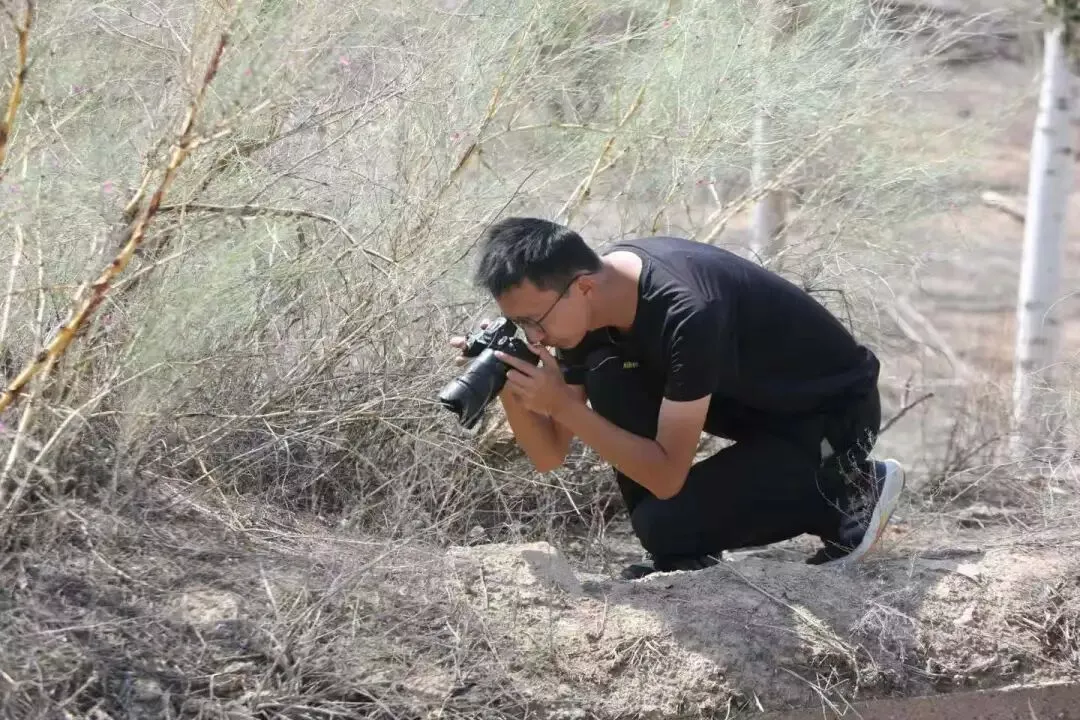
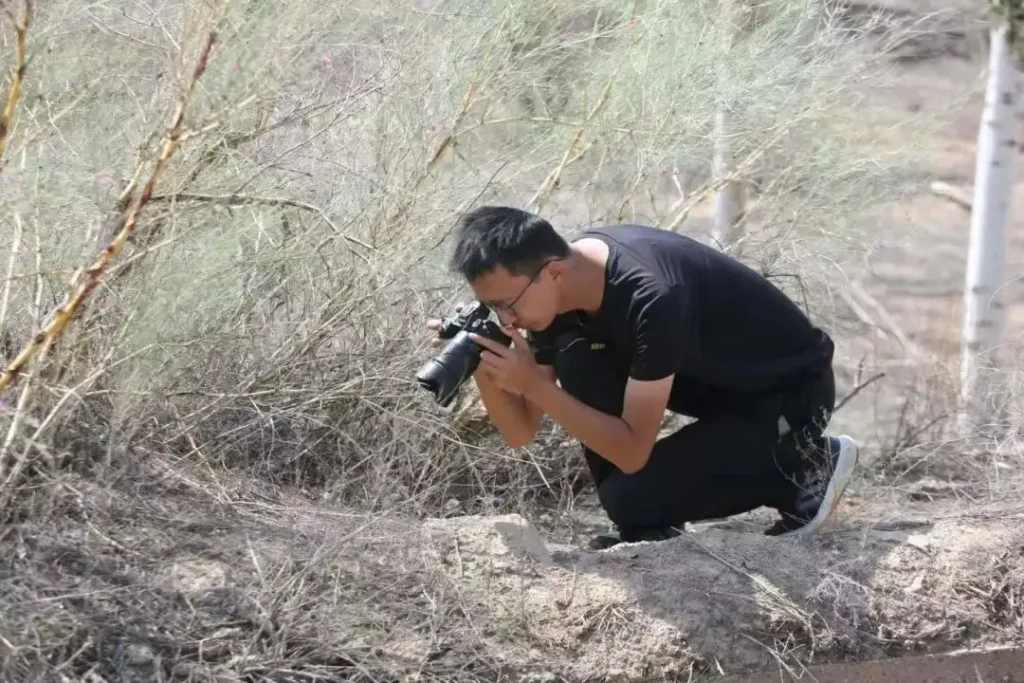
Reports emerged from grassroots environmental protection circles that Zhang, who has long been active on the front lines of pollution prevention, was taken into custody by public security authorities from Wanzai County, Yichun City, Jiangxi Province. According to online information, the suspected charge is extortion. The news quickly sent shockwaves through the nation’s community of independent environmental volunteers.
Those familiar with Zhang know that he operates a WeChat public account called “Zero Distance Pollution Task Force” (零距离污染特工队). Through years of field visits across China, collecting pollution evidence, and publishing investigative reports, he has pushed for the remediation of numerous environmental hazards. Verifiable records show that his account published an in-depth report in 2023 exposing ecological damage in Wanzai County, Jiangxi, focusing on environmental risks posed by local enterprises. Notably, even after Yichun’s sweeping regulatory crackdown on lithium mining pollution, several large companies reportedly failed to fully remediate their practices. Given this context, fellow volunteers have raised a reasonable question: Is this police investigation causally linked to his previous investigative series exposing polluting factories in Wanzai?
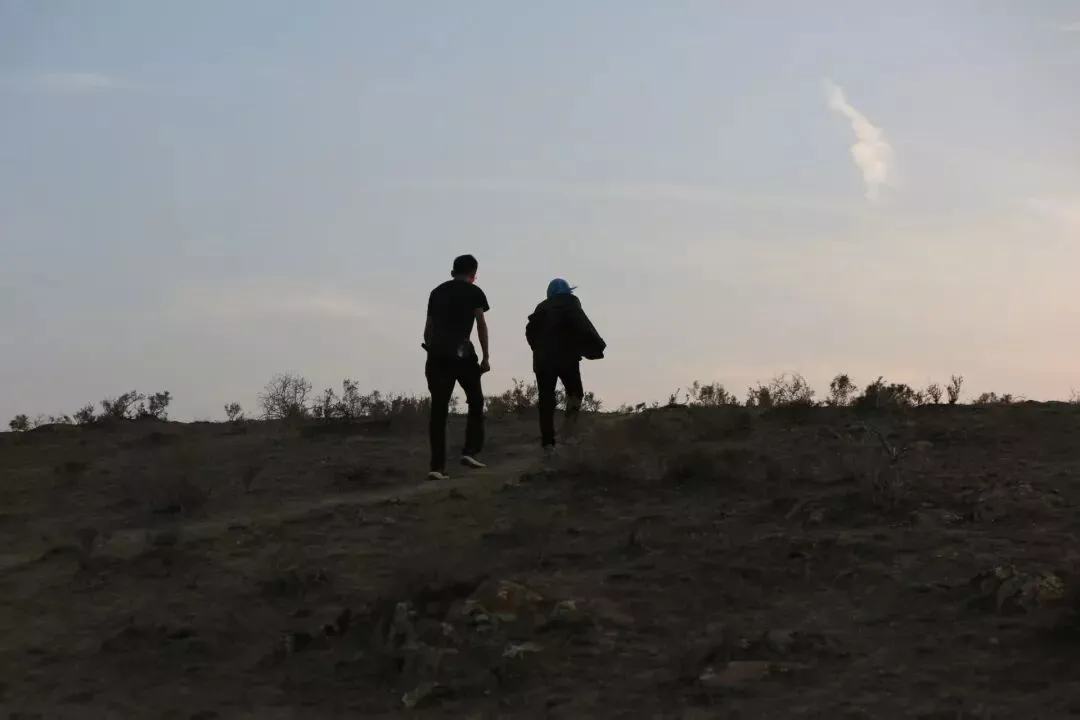
Peers who have worked alongside Zhang in environmental monitoring believe his operational style has always adhered to independent investigation and on-site verification. They note that his methodology involved gathering pollution evidence and reporting it to relevant authorities, never generating economic ties with the targets of his exposés, making the extortion charge difficult to accept. However, it must be emphasized that current information consists entirely of online rumors, and judicial authorities have yet to issue any official statements. The true motives, evidentiary basis, and specific illegal acts involved in the case are still under preliminary verification.

China’s criminal legal system adheres to the presumption of innocence. Before a final guilty verdict is handed down by a people’s court, any investigated individual must be considered innocent. Mentions of criminal charges on the internet merely represent the current direction of investigative work rather than a judicial conclusion. Whether this case directly connects to previous pollution exposés must be determined through further investigation by relevant authorities, and public opinion should avoid subjective speculation and hasty judgments.

Public participation in environmental monitoring serves as a vital supplement to ecological protection. Acquiring evidence through legal procedures and filing pollution reports based on facts are legitimate supervisory rights enjoyed by citizens and deserve legal protection. At the same time, however, all participants in environmental oversight must adhere to legal boundaries, strictly prohibiting illegal activities pursued under the guise of environmental supervision for financial gain. The line between legitimate oversight and criminal offenses is distinct.
The public eagerly anticipates that investigative departments will examine all aspects of the case with a serious, objective, and fair attitude, releasing authoritative information in a timely manner to provide a final result that withstands public scrutiny. If all of Zhang’s activities constituted standard pollution research and compliant information disclosure, his legitimate rights and interests should be fully protected by state laws. Conversely, if investigation confirms illegal acts, they should be handled properly in accordance with legal procedures.
The Zhang Wenbin incident sounds a cautionary alarm for environmental monitoring volunteers: the value of ecological supervision depends on its compliance with legal norms, rationality, and procedural requirements. Only by strictly limiting all investigative activities and information dissemination within the scope permitted by law can grassroots environmental protection advance in a healthy and stable manner.