
China’s car sales are sliding. So why are automakers suddenly raising prices?
Introduction
For years, the golden rule of China’s hyper-competitive auto market was simple: when sales slow down, slash prices. But a strange paradox is now playing out across showrooms nationwide. Even as demand stumbles, automakers are stubbornly refusing to play the discount game.
Data released in mid-October by the China Passenger Car Association (CPCA)—an influential industry body that tracks vehicle sales and manufacturing trends—revealed a counterintuitive reality. In September, the average transaction price for a domestic passenger vehicle climbed to 171,000 yuan ($23,600), marking an increase of 5,800 yuan compared to the same period last year.
A closer look at the segments shows a uniform upward trend. The average price of new-energy vehicles (NEVs) rose to 164,000 yuan, an increase of 9,000 yuan year-on-year. Luxury models jumped to 338,000 yuan, adding 800,000 yuan sequentially, while joint-venture vehicles held steady around 170,000, and domestic brands crept up from a baseline of 12,700 yuan with an 8,000-yuan bump.
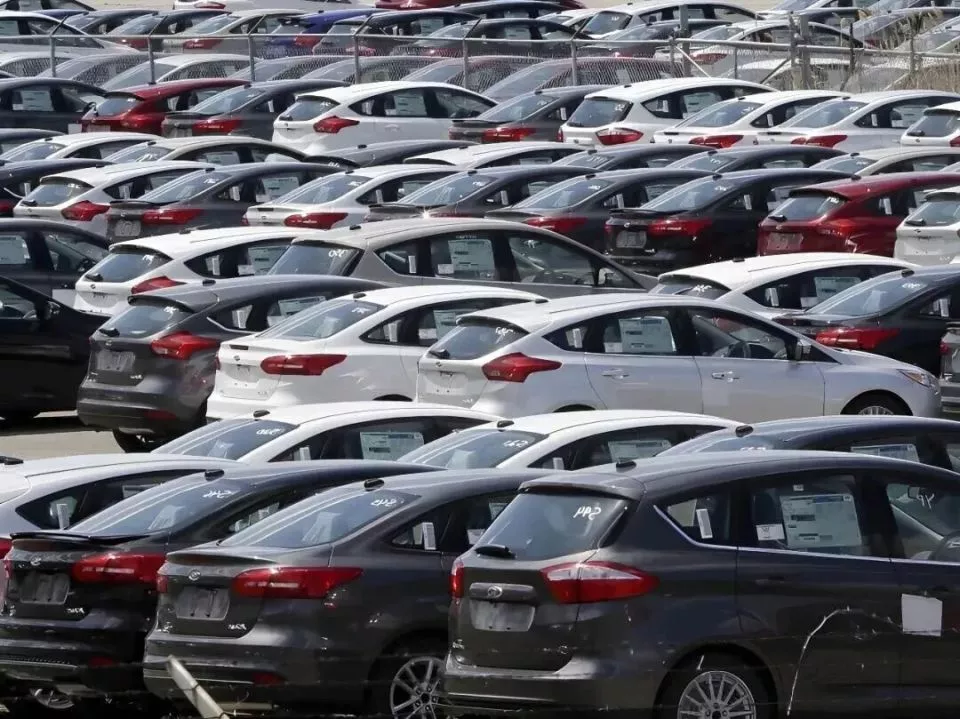
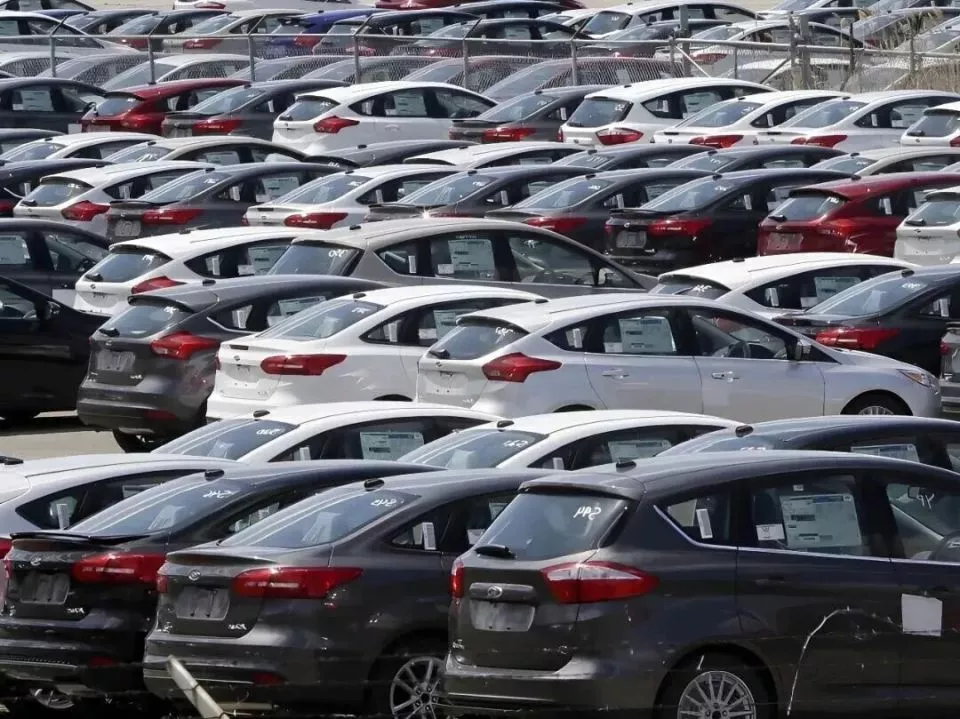
This pricing resilience collided with a harsh retail reality: total national retail sales for passenger cars dropped 28.0% year-on-year in September, marking the steepest market contraction of the year. Plummeting sales coupled with rising average prices. Is this a blessing or a curse for the industry?
Historically, a slump triggers a cascade of aggressive promotions designed to clear inventory and manufacture short-term order spikes. Yet, rather than panicking into further clearance sales, automakers are drawing a hard line in the sand against market volatility. The industry’s exhaustion with the relentless price wars has finally reached a boiling point. China’s automotive sector, having grown into a global industrial powerhouse, cannot afford to cannibalize itself through endless, destructive undercutting.
01
The Death of ‘Volume for Price’ and the Rise of the ‘Wait-and-See’ Buyer
Price cuts used to be the blunt instrument of choice to stimulate demand. But that playbook is breaking down. The problem is no longer that discounts fail to attract attention, but that the long-term cost to companies has become unsustainable. The cheaper cars get, the more hesitant consumers become; every car a dealership sells at a discount pushes them deeper into the red; and the secondary used-car market has been thrown into complete disarray.
Years of continuous, aggressive markdowns—particularly driven by rapid model iterations in the EV sector—have fundamentally trained Chinese consumers to adopt a perpetual “wait-and-see” mindset.
Early last year, BMW Group slashed prices across more than 30 models, with most seeing drops exceeding 10%. Mercedes-Benz and Volvo quickly followed suit, with some of Volvo’s hybrid products plunging from an official guide price of 410,000 yuan down to an actual retail price of 19,990 yuan.
When luxury flagships like the German trio (BMW, Mercedes-Benz, and Audi, commonly referred to in China as “BBA”) continuously drop prices, buyers immediately step back to watch from the sidelines. Dealership floor reports confirmed the phenomenon: showroom traffic rose by 30%, but actual conversion rates plummeted.
The collateral damage is evident. Relying on price cuts to drive volume has failed while rapidly dismantling the pricing integrity of luxury brands. This dynamic is not isolated to the high-end tier; joint-venture NEVs are similarly trapped in this value-destroying quagmire.
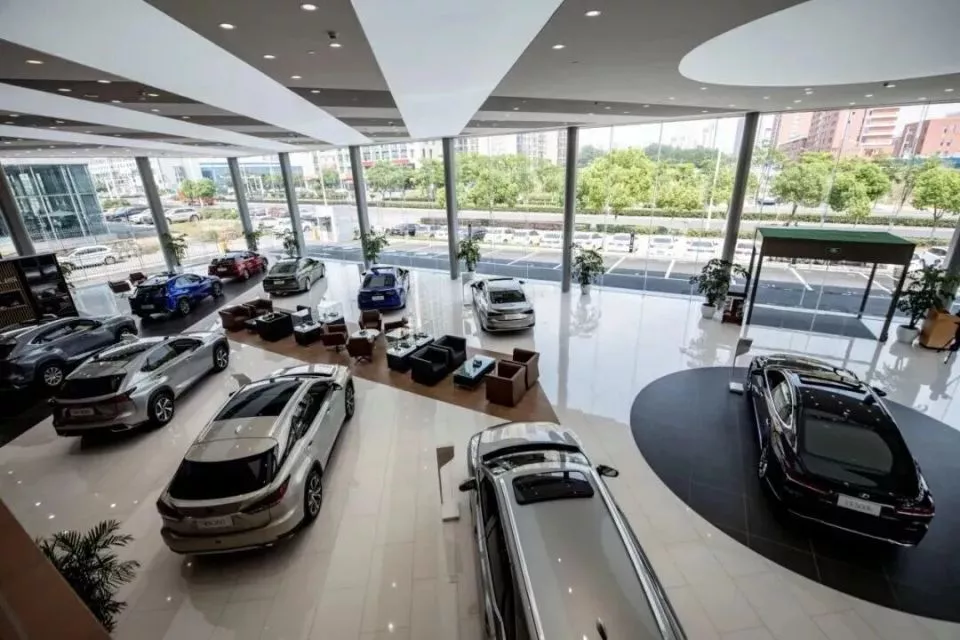
By the end of 2025, the guide price of Toyota’s bZ3 electric sedan was slashed from 169,800 yuan to 109,800 yuan—a staggering single-stroke reduction of 60,000 yuan. When a relatively new model takes a fifty-percent haircut, the resale value of existing bZ3s collapses overnight, leaving recent buyers facing shocking depreciation.
While steep discounts bring temporary joy to shoppers, pursuing volume at the total expense of corporate profit margins is proving toxic to the broader industrial ecosystem. The net profit margin for China’s entire vehicle manufacturing sector has been squeezed down to a meager 3.2%, falling far short of the standard 6% benchmark for typical manufacturing industries. Under such conditions, slashing prices for promotional turnover is no longer a remedy; it is drinking poison to quench thirst.
Yet breaking the cycle is notoriously difficult. As long as competitors keep trimming prices, individual automakers face the existential threat of losing market share. Consequently, consumers have caught on, turning car-buying into an elaborate ritual of comparison, tracking, and patient waiting.
02
Promotions Haven’t Disappeared. They Just Got Complicated.
In February, regulatory authorities issued compliance guidelines governing pricing behavior across the auto industry, drawing a firm legal line beneath sales priced below production costs aimed specifically at harming rivals.
This regulatory intervention, combined with invisible market pressures, shifted the industry’s atmospheric pressure. However, the operating environment for carmakers remains intensely stressful.
As China’s auto market enters a zero-sum game of fighting over a stagnant pool of buyers, every single transaction is precious. No carmaker wants to be the first to call a ceasefire, knowing a rival will sweep in to steal their customer base and permanently erode their long-term market standing.
As a result, the price war hasn’t vanished—it has simply gone underground, morphing into a dizzying array of opaque financial engineering: zero-interest financing loans, trade-in subsidies, complimentary insurance packages, free maintenance bundles, configuration upgrade vouchers, and government consumption subsidies.
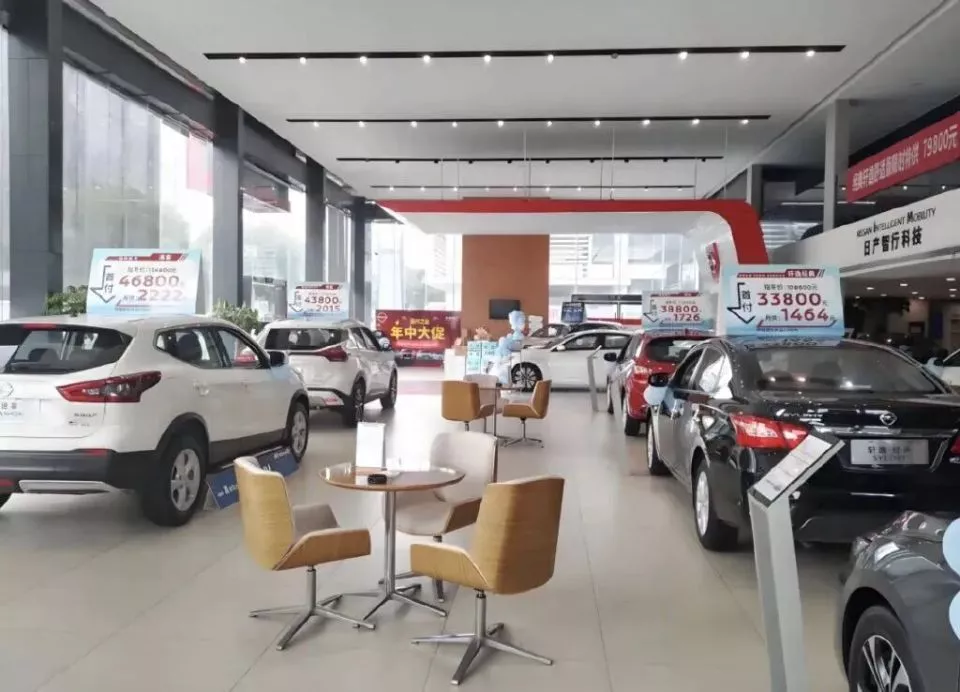
“The direct discount magnitudes and various subsidies are indeed less generous than in previous years, primarily because automaker profit margins are already razor-thin. If we cut any deeper, dealerships will be bleeding out of pocket,” said one local sales manager. “However, if customers are willing to finance through specific channels, we have other promotional levers we can negotiate.”`
This refrain is echoed across showrooms nationwide. While sticker-price discounts have shrunk, dealerships are leaning on alternative perks to bridge the gap. For consumers, however, calculating the true cost of a vehicle has become an exhausting math problem involving loan interest calculations, trade-in valuations, and conditional add-ons.
These convoluted incentives still carry a real financial footprint for automakers—subsidizing zero-interest loans, funding trade-in bonuses, and covering insurance policies all cost money. But packaging discounts this way minimizes toxic side effects, shielding brands from the collective backlash of loyal legacy owners accusing them of exploitation.
Why are automakers refusing to play the old game of raw price cuts? The answer is becoming increasingly clear.
03
Winning Orders Isn’t Winning the Market
No automaker can achieve ultimate victory by relying solely on aggressive price slashing.
The rebound in September’s average transaction prices may serve as an essential bellwether. While it does not signal the immediate end of the price war, it demonstrates that the structural logic of China’s auto market is shifting. As raw price advantages lose their power to differentiate brands, companies are frantically searching for new competitive footholds.
During the explosive growth phase of the country’s electric vehicle boom, simply lowering prices was enough to rapidly build a massive user base. But as vehicle choices multiply, consumer sovereignty has expanded.
Given a fixed budget, buyers can now weigh superior tech architecture, brand equity, and customer service against raw cost. Relying purely on cheap tags can no longer build a lasting corporate moat.
China’s automotive sector is stepping out of the shadow of raw price warfare and entering a grueling battle of comprehensive capabilities. The brands that successfully translate technological R&D into tangible driving value—and forge robust support systems beyond the showroom floor—will ultimately secure the long-term loyalty of tomorrow’s buyers.