

China is auditing thousands of temples as local governments scramble for cash
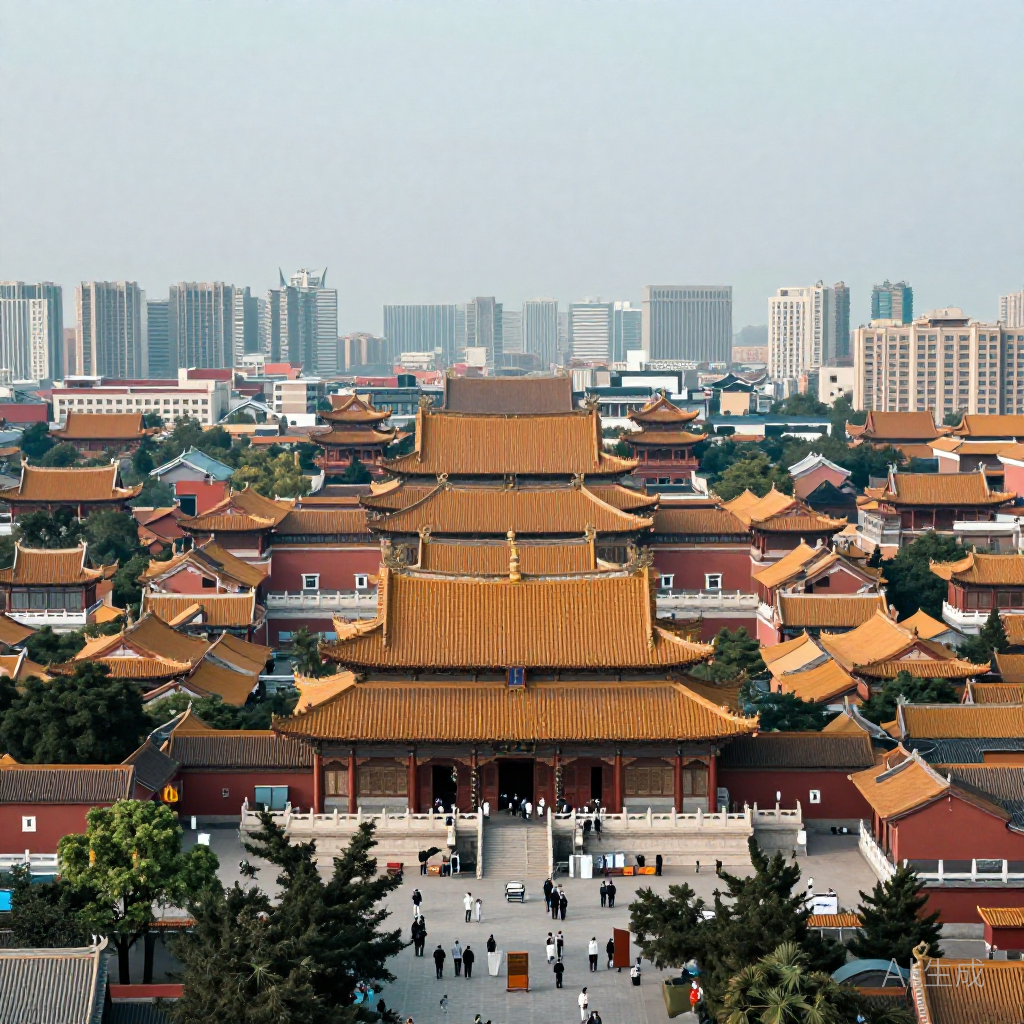
Local authorities across parts of China have initiated financial inspections of Buddhist and Daoist temples, scrutinizing revenue, donations, and book-keeping practices. Unverified reports circulating online claim that a sweeping nationwide audit has targeted 33,500 Buddhist temples and over 9,000 Daoist shrines, extending to clergy investments and the commercial ties behind temple social media accounts.
Han, a resident in Jiangsu province, said the sudden focus on temple finances is closely tied to severe local fiscal strain. With the property market largely stalled, widespread unemployment, and shrinking government revenues, local authorities are aggressively pursuing back taxes from various sectors to plug budget deficits, he noted. While profitable temples in major tourist hubs generate steady income, many state-backed or remote sites struggle with low visitor numbers and generate little to no revenue.
Online commentary and local observations suggest that visitor traffic has dropped significantly as household budgets tighten, leaving many smaller temples with depleted collections. Local government actions have varied by region. For instance, authorities in Shangfu township, Jiangxi province, conducted a joint inspection of three religious sites in June last year to review account usage, donation registries, and large expense approvals, though no enforcement results were made public. Meanwhile, the Ethnic and Religious Affairs Bureau of Longyan in Fujian province randomly inspected 35 religious groups and venues in the second half of 2025. There remains no official document confirming a synchronized, nationwide audit of tens of thousands of temples.
Temples Report Normal Operations Amid Uncertainty
Staff at the reception desk of the prominent Nanputuo Temple in Xiamen stated that the monastery is operating normally when asked if inspection teams had arrived. When questioned about whether offerings and donations are subject to taxation, the staff member replied that such matters fell outside their purview.
Mou, a resident in Shandong province, linked the reports of temple audits to a broader crackdown on tax compliance across the country. He argued that local governments are exploring every possible avenue to generate revenue and issue fines amid a persistent cash crunch. According to Mou, many temples built by affluent donors or local officials years ago now face financial distress, with numerous facilities sitting empty and unapproved due to strict regulatory oversight on religious activities.
Analysts Point to Fiscal and Control Motives
The temple checks coincide with heightened tax enforcement targeting private businesses and high-income earners. In October, national tax authorities penalized a Guizhou-based tax intermediary for fraudulent filings, while related construction firms faced substantial back taxes and fines. Additionally, new regulations introduced last year extended a 20% personal income tax to offshore trust income and overseas asset transfers.
Zhao, a political analyst, compared the scrutiny of temple donations and commercial activities to recent tax clampdowns on private enterprises and internet influencers. He suggested that the inspections serve a dual purpose of tightening financial control over religious institutions while helping cash-strapped local governments source alternative revenue streams.