
One job, 9,310 applicants. Why China’s youth are abandoning the private sector for an iron rice bowl
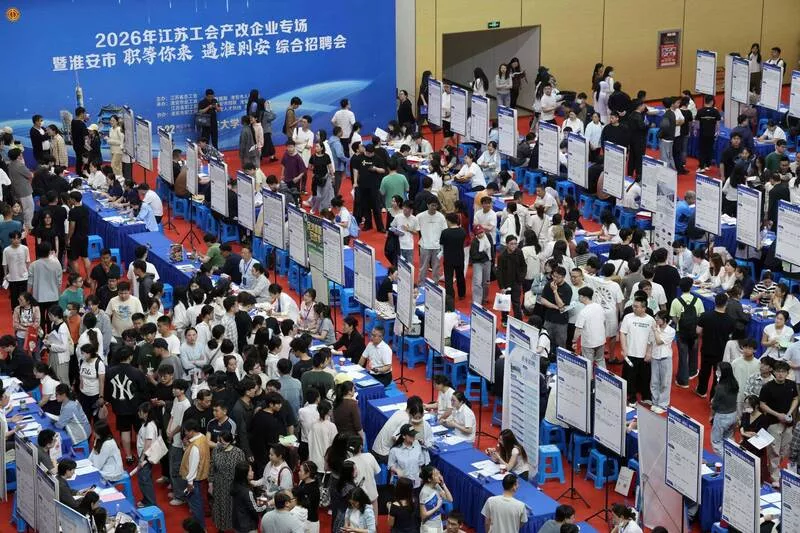
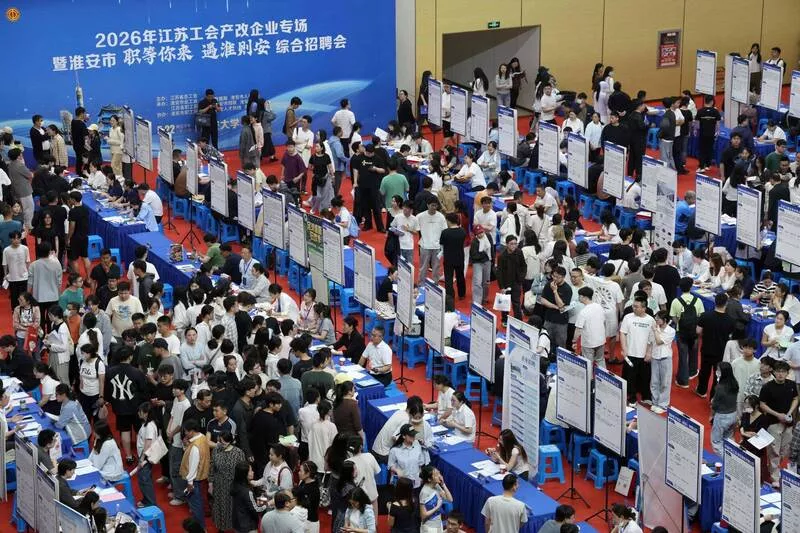
A single job listing for a public institution recently attracted thousands of applicants, sparking intense online debate over China’s fiercely competitive job market. Illustrative photo of a recruitment fair. (Source: AFP)
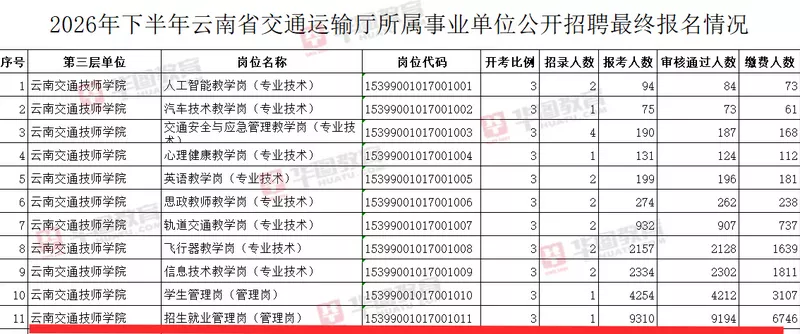
Amid an escalating obsession with state-backed job security, a routine recruitment drive for a vocational school in southwestern China’s Yunnan province has sent shockwaves through the country’s employment market. The Yunnan Communications Technician College, an institution affiliated with the provincial transport department, opened applications for a single administrative opening and was met with an astonishing 9,310 submissions.
According to data compiled by baffled internet users, the preliminary screening phase saw 9,194 applicants clear the initial hurdle. Ultimately, 6,746 candidates completed the process by paying the 100-yuan ($14) application fee, netting the college more than 670,000 yuan in fees alone. The sheer scale of the competition quickly dominated social media discussions, with many users sharing stories of friends and family members who threw their hats into the ring.
At the heart of the frenzy is the position’s status as a *shiye bianzhi*—commonly translated as a public institution staffing quota. These positions belong to a specialized employment system created by the state using public assets to deliver public services across education, culture, healthcare, and research.
While distinct from traditional civil service positions, these roles are state-funded and offer unparalleled job security, making them deeply coveted “iron rice bowls.” For millions seeking shelter from economic volatility, entering China’s bureaucratic ecosystem—which encompasses government agencies, state-owned enterprises, and public institutions—has become the ultimate career objective.
Online comment sections quickly transformed into broader forums on shifting societal priorities. Observers noted a cyclical pattern in modern China: during periods of rapid economic expansion, ambitious job seekers gravitated toward the private sector, where salary growth outpaced rigid state institutions. However, as macroeconomic growth moderates, the calculus has inverted. With private companies cutting costs and layoffs rising, the relative stability of state-backed employment has transformed it from a safe option into an existential necessity for a generation of anxious job seekers.