
Trump asked China to help end the Iran war after a brutal midterms defeat. Now all eyes turn to Shenzhen
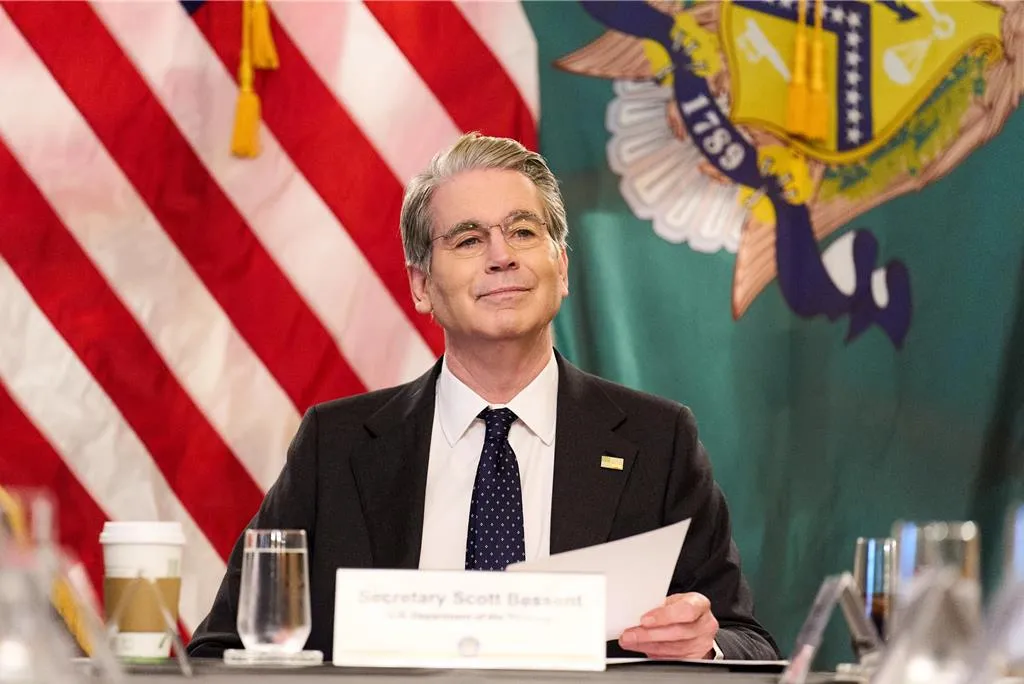
Following a devastating defeat in the midterm elections, the U.S. administration has turned to an unexpected partner to untangle a foreign policy quagmire. U.S. Treasury Secretary Scott Bessent has reached out to Beijing, asking China to leverage its influence over Iran to help bring an end to the ongoing war, according to U.S. officials cited by Washington Post columnist David Ignatius.
The diplomatic overture—reportedly initiated at the direction of U.S. President Donald Trump—comes as the Republican party reels from a sweeping loss on November 3 that cost them control of both chambers of Congress. Vice President JD Vance bluntly attributed the electoral rout to voter fatigue over foreign conflicts, stating publicly that “the reason we lost the election is the wars.”
The behind-the-scenes scramble for a diplomatic breakthrough sets a dramatic backdrop for an upcoming diplomatic summit. President Trump is scheduled to embark on an Asian tour beginning November 16, starting with the ASEAN summit in Manila before traveling to Shenzhen for the Asia-Pacific Economic Cooperation (APEC) leaders’ meeting. There, he is expected to hold his third face-to-face summit of the year with Chinese President Xi Jinping.
Washington’s outreach underscores the intensifying urgency to halt a conflict that remains deadlocked in the Persian Gulf. According to media reports by Axios, Vice President Vance has spent the past two weeks personally steering indirect talks with Iran, communicating almost daily with regional mediators including Qatari Prime Minister Mohammed bin Abdulrahman Al Thani and Pakistani Army Chief Asim Munir. The diplomatic push aims to forge a new ceasefire and restart stalled nuclear negotiations. Iranian Foreign Minister Abbas Araghchi confirmed on November 7 that he had held calls with his counterparts from 12 countries over a 48-hour window to discuss regional escalation.
Meanwhile, the situation on the ground in the Middle East remains volatile. On November 8, the naval forces of Iran’s Islamic Revolutionary Guard Corps reported that an oil tanker caught fire following an explosion after attempting to navigate an unauthorized route through the strategic Strait of Hormuz. At least three tankers have suffered explosions and fires since the early hours of that day.