
How New York senior centers used code words and cash kickbacks to loot millions in US health funds
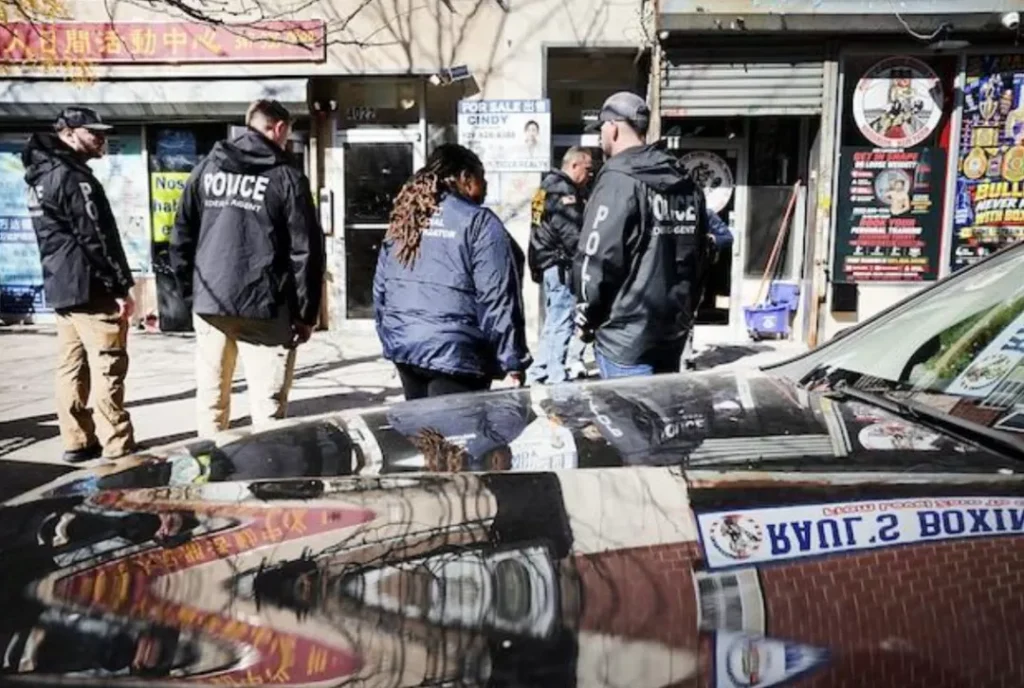
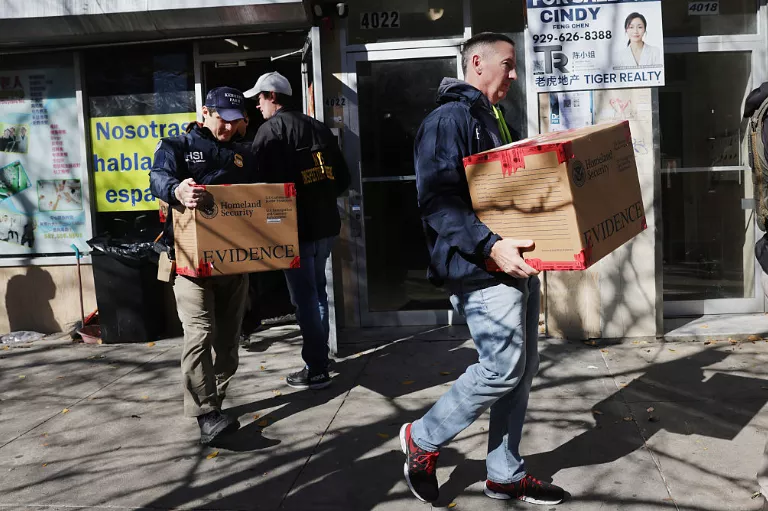
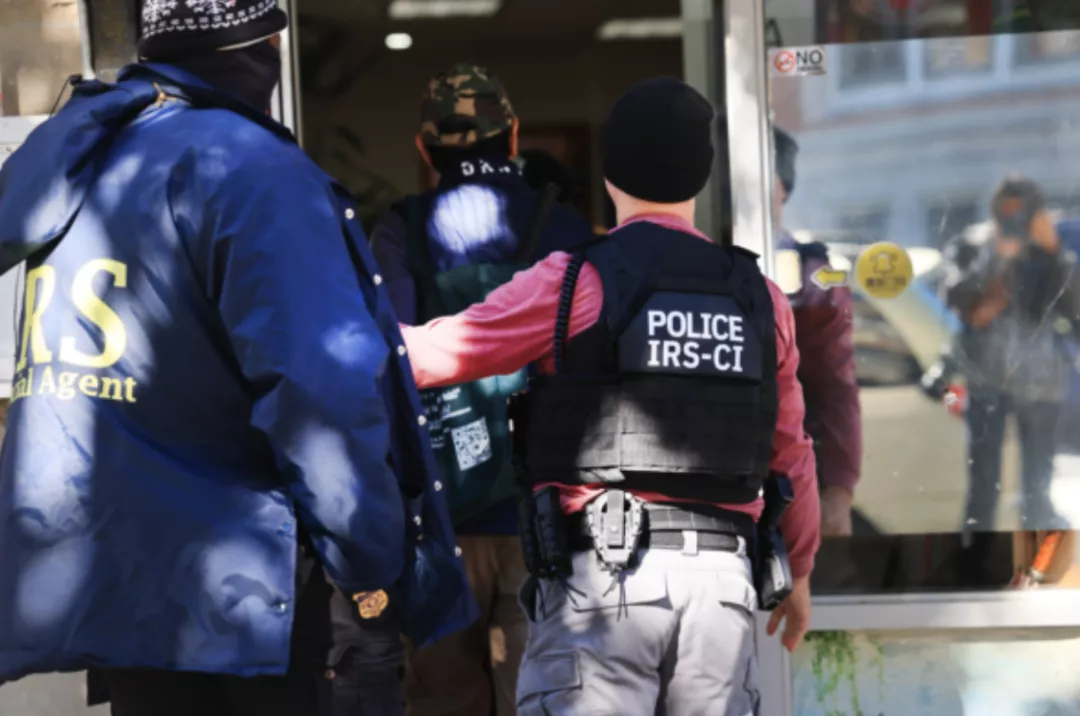
Federal law enforcement agencies, including the Federal Bureau of Investigation (FBI), have launched a series of high-profile raids on Chinese-operated adult day care and senior centers across New York City, uncovering a sprawling medical insurance fraud network.
The sweeping crackdown has sent shockwaves through local communities, leaving operators under intense scrutiny and hundreds of elderly participants anxious about the future of their social hubs and essential benefits.
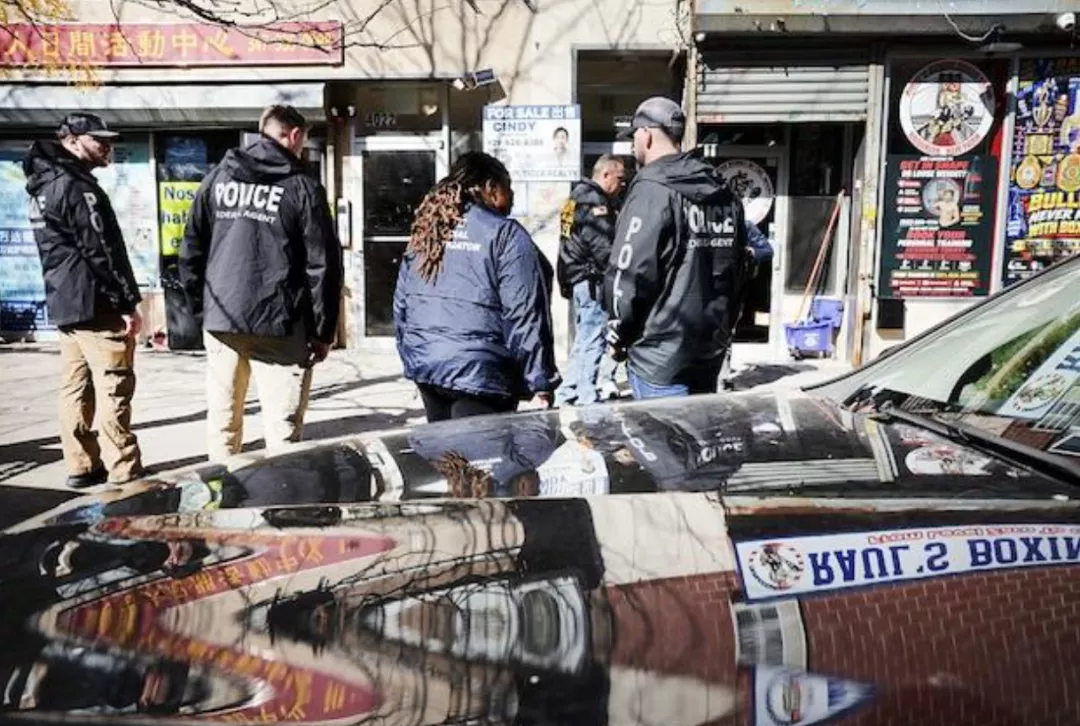
As investigators piece together the operation, details have emerged regarding a clandestine system that turned senior centers into cash-generation schemes. In some cases, elderly participants not only received free meals and recreational activities but were also handed hundreds—sometimes thousands—of dollars in cash each month.
Insiders revealed that participating centers developed an elaborate code-word system to talk about the illicit payments, referring to the cash stipends as "apples."
When prospective members inquired about perks at certain facilities, they would openly ask, "How many apples do you give out a month?" In recent years, as regulatory oversight tightened, operators largely abandoned the fruit code in favor of more generic terms like "welfare" or "benefits."
Investigators say the money did not come from legitimate government subsidies for seniors. Instead, unscrupulous operators allegedly embezzled government medical insurance funds—specifically through Medicare and Medicaid—and used kickbacks, cash, or gift cards to recruit members.
According to a 70-year-old resident in Flushing, Queens, some centers offered monthly cash kickbacks ranging from $500 to $1,000. Members simply needed to register, show up every morning to swipe their attendance cards, and collect their payouts without ever participating in actual center programs.
The resident noted that their initial payout started at $500, but as competition among local facilities heated up, the stipend rose to $700. Some seniors even hopped between multiple centers to maximize their illicit monthly earnings.
The scale of the payouts could be staggering. Another Flushing senior, identified by a pseudonym, participated in a local center’s programs for nearly a year before deciding to quit in January.
Shortly afterward, center staff contacted his wife, claiming they needed to settle a final account balance.
To his astonishment, the man was handed a lump sum of $14,450 in cash.
He was warned to keep the payout strictly confidential, with staff hinting that talking would bring him trouble. Although he noticed other seniors regularly collecting cash and suspected his own signature and attendance records had been forged by staff, the money remains untouched.
Industry insiders report that the violations extended far beyond attendance fraud. Some centers routinely billed the government for services provided to seniors who never visited the facility. In other instances, payroll padding saw staff listed for home-care hours they never worked, with the proceeds split among conspirators.
Certain pharmacies were also implicated in abusing over-the-counter medication allowances allocated to seniors, reselling products to launder cash.
If proven in court, the funds siphoned off by these operations ultimately represent public money plundered from the U.S. healthcare system.
The sheer magnitude of such schemes was underscored earlier this year in a separate federal case brought by the U.S. Department of Justice in February.
Two Flushing residents were indicted for operating a pharmacy and two senior centers that used cash kickbacks to recruit elderly members, subsequently billing federal programs for roughly $120 million in fabricated medical services.
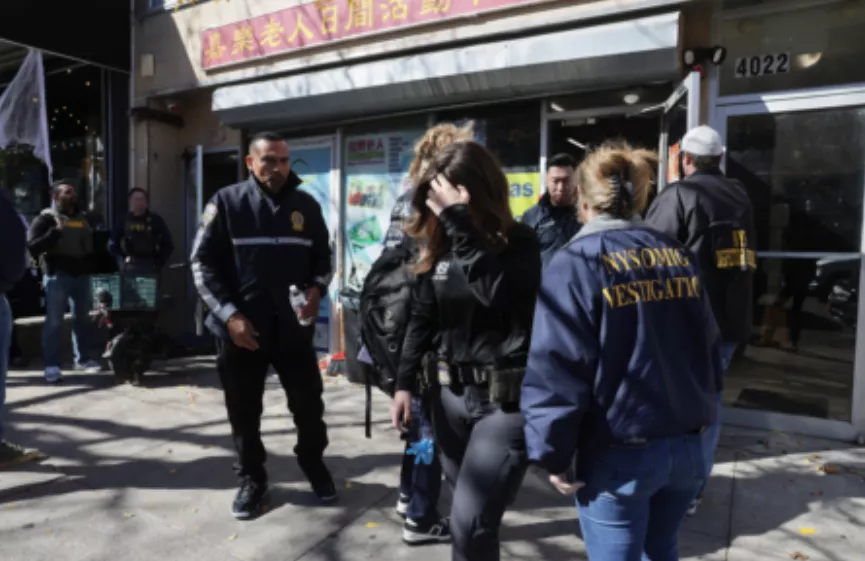
While that case remains independent of the October raids, investigators have uncovered even more brazen tactics. According to reports by local media outlet ABC7 New York, federal agents executing recent searches discovered that some facilities had been filing medical claims using the identities of deceased seniors.
At least two individuals were arrested at a senior center in Staten Island as part of the sweep.
Concurrently, officials from the Centers for Medicare & Medicaid Services (CMS) have fanned out across more than 80 similar facilities in New York City, issuing warning letters and demanding justifications for anomalous billing histories.
The fallout from the investigation is expected to reshape state policy. New York Governor Kathy Hochul announced that the state has referred more than 100 suspected fraudulent cases to prosecutors and directed health authorities to evaluate whether Medicaid funding for social adult day care should be phased out entirely in favor of alternative services.
For New York’s vast Chinese immigrant elderly population, these community centers have long served as vital lifelines—offering not just meals and entertainment, but essential social connections and a bridge to local community support.
However, investigators warn that when operators treat senior identities merely as raw materials for insurance fraud, it undermines legitimate businesses and ultimately harms the vulnerable populations these centers were built to protect.
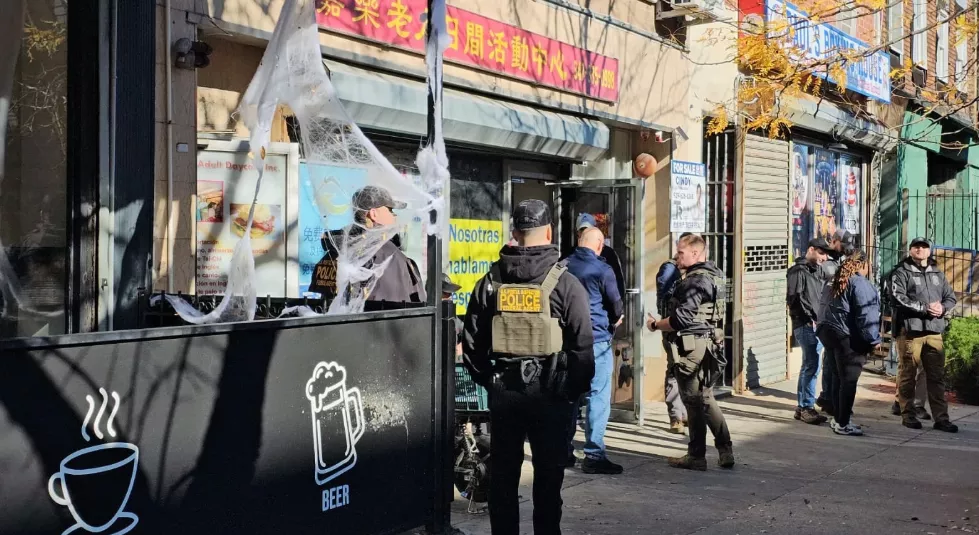
As federal and local probes continue, legal experts note that whether individual seniors who accepted kickbacks will face liability depends on their level of involvement and the findings of prosecutors. Yet, industry observers lament that despite the pressure from the sweeping law enforcement actions, the allure of hundreds or thousands of dollars in monthly cash has kept some participants clinging to the hope that their illicit windfalls will continue.