
Earning in Tokyo, living in Shanghai. The overseas Chinese chasing the ultimate corporate arbitrage
Earning overseas salaries and expatriate allowances while enjoying the convenience and lower cost of living in China has sparked intense online debate. One user with an overseas IP address said the meal allowance on business trips back to China really is $100 a day (about 720 yuan).
This report follows three overseas Chinese who secured jobs and permanent residency in Japan and Germany before being transferred back to China by their companies. Beneath the enviable gloss of their lifestyles lies a mix of tangible convenience and unspoken dilemmas.
01 The Expat Return
Shao Bing, a 39-year-old materials engineer, has spent years working in Japan. In early 2026, she applied for an overseas dispatch to China. Expatriation is a common staffing arrangement among multinational corporations, where headquarters dispatch employees to long-term postings at overseas affiliates while maintaining their original labor contracts.
Shao’s company operates a joint venture in China and required technical personnel to provide on-site support. Her team dispatched to Guangdong province consisted of 10 members, mostly Japanese nationals, with Shao being the sole ethnic Chinese employee. Ten months into her posting, Shao’s workdays resembled a resort stay: waking up in a five-star hotel suite every morning, chauffeured in a dedicated car for a 30-minute commute between her residence and the office.
Housing was the company’s top priority. For Shao alone, the monthly rent reached 15,000 yuan. The suite featured a kitchen and daily housekeeping, while the gym, swimming pool, and buffet restaurant were free for expats, with weekday lunches provided by the company.
Transportation was similarly well-arranged. For security reasons, the company discouraged employees from driving alone. Standard single-passenger transport used a 5-seater sedan, upgraded to a 7-seater van for two passengers, and minibuses or buses for larger groups. Beyond daily commuting, Shao could book private cars through the internal system for weekend trips within the province.

Once her work and life stabilized, Shao considered bringing her parents closer. Returning to China made cross-border family reunions straightforward. Two months prior, she rented an apartment near her hotel and brought her parents from Jiangsu province to Guangdong. Now, finishing work at 5:30 PM daily, a private car first takes her back to the hotel to change clothes before heading to her parents’ place for dinner around 6:30 PM, picking her up to return to the hotel at 9:00 PM.

In January 2025, assistant general manager Jin Sheng was transferred from Japan to Shanghai. Because he was dispatched directly to his hometown, he skipped housing allowances and moved back in with his parents. In larger Japanese firms, management dispatched to Shanghai often receive generous housing budgets, living in serviced apartments or high-end units ranging from 100 to 200 square meters, with expenses covered if family members accompany them.
A KPMG report published in 2025 showed that 29% of surveyed enterprises saw a decrease in foreign employees in China between 2024 and 2025. Expatriate compensation, housing, and transportation are essentially human resource costs borne by corporations for cross-border operations. For employees, these are lucrative positions; for enterprises, balancing talent experience, business demands, and dispatch costs remains a pragmatic managerial challenge.
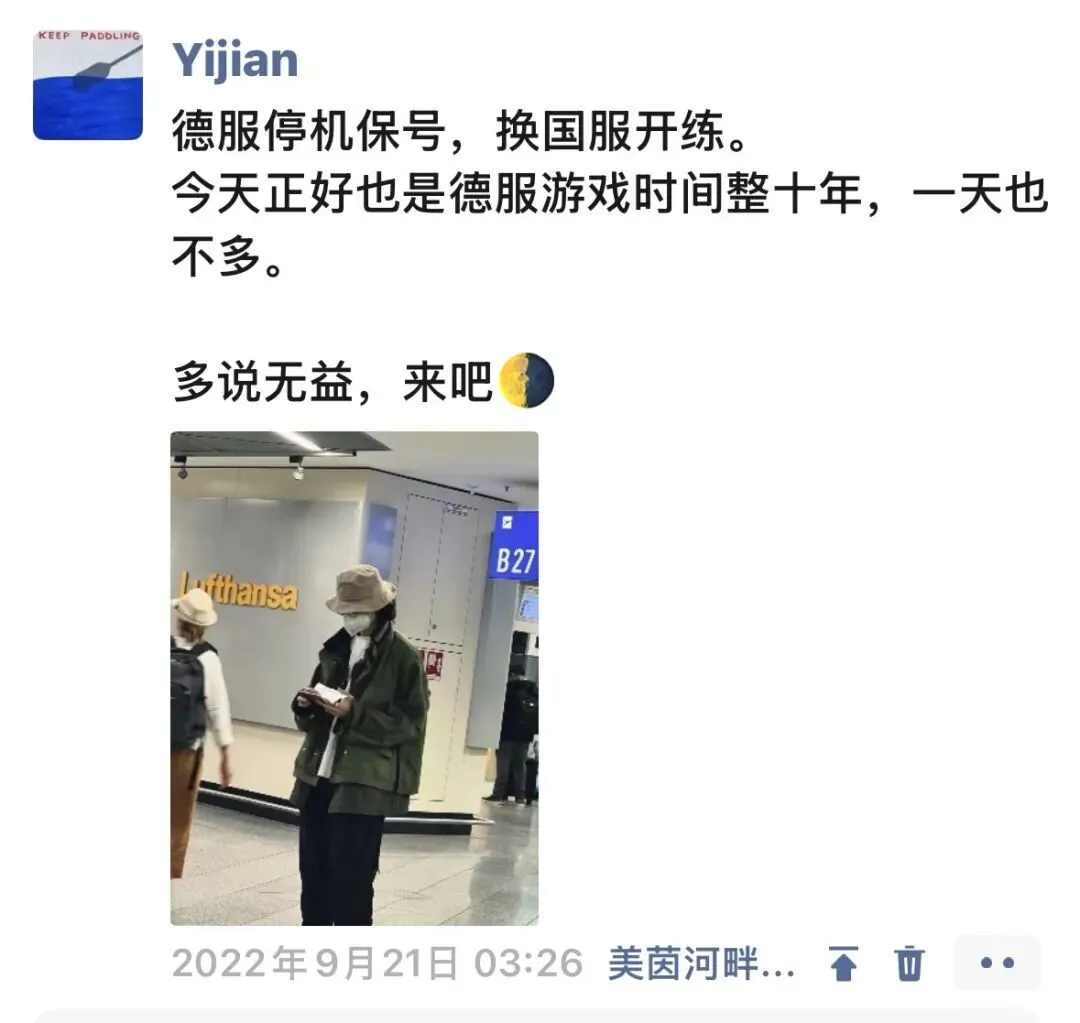
Yijian, a design consulting adviser who lived in Germany for a decade, took a more unusual route back to China. When changing jobs in 2022, he negotiated with his new employer to retain his German labor contract while relocating to Shanghai. The company consulted lawyers and codified the arrangement into his agreement, ensuring that if he chose to leave China, his original benefits and seniority in Germany would remain intact.
02 Income and Expenses
For employees accepting corporate dispatch, the most direct impact is financial. When Jin Sheng received his first paycheck after the transfer, he thought the company had made a mistake. Before the dispatch, colleagues had only hinted at extra subsidies. Spreading semi-annual bonuses across the year, his take-home pay in Japan was about 15,000 yuan a month; after moving to Shanghai, that figure doubled to between 30,000 and 35,000 yuan.
For expats maintaining labor relations with overseas headquarters, income surges primarily from dispatch allowances. In the Japanese firm where Shao works, these include living environment subsidies, single-status allowances, and exchange-rate adjustments. Shao’s monthly salary in Japan was roughly 25,000 yuan; back in China, combined with subsidies, her monthly income exceeded 40,000 yuan.
While income doubled, expenses plummeted. In Japan, Shao paid nearly 3,000 yuan a month in resident taxes, a fee that vanished upon relocating to China. Daily living costs also dropped. In Japan, after rent, utilities, transport, and meals, she could save at most 10,000 yuan a month. Back in China, rent, transport, and breakfast and lunch are covered by the company, and dinner costs are a fraction of Japan’s—a bowl of noodles costing around 40 yuan in Japan runs under 15 yuan domestically.
With doubled earnings and slashed expenses, Shao saves around 40,000 yuan a month—four times her savings rate in Japan.

03 The Cost of Success
Shao makes no secret of her situation: “Personally speaking, I am living a fairy-tale life.”
Typically arriving at the office around 8:00 AM, she handles morning briefings, checks emails, and chats with team members before 9:00 AM, leaving the rest of her time free. Without urgent tasks, she uses the morning for self-improvement. After a two-hour lunch break and a five-minute afternoon briefing, employees manage their own schedules. On active project days, her effective working time amounts to about an hour.
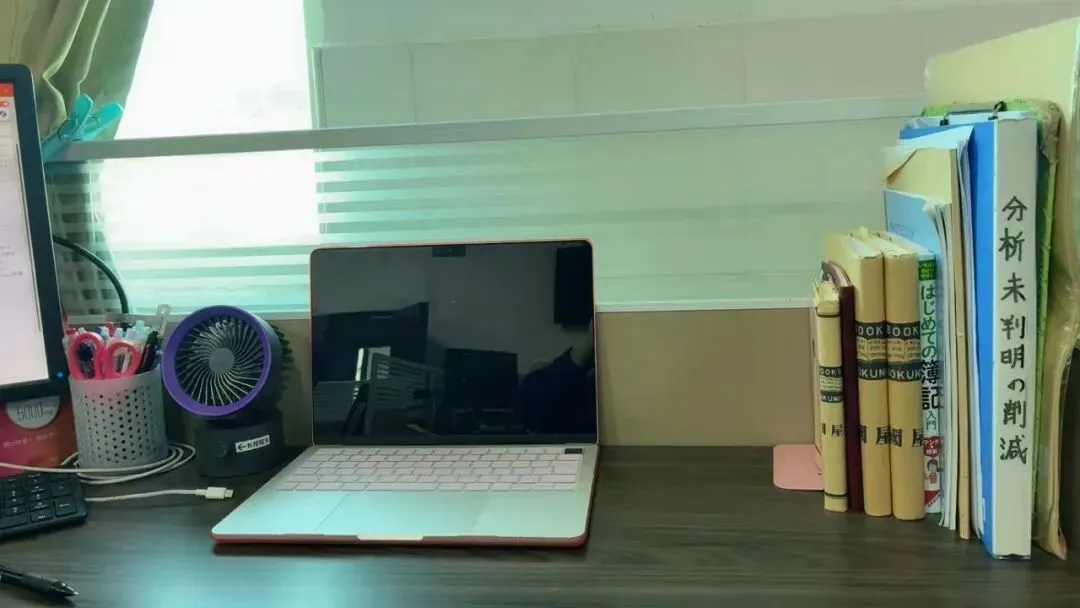
Securing positions at overseas corporations while holding permanent residency often requires a foundation of studying abroad. After failing China’s national college entrance examination (Gaokao) in 2006 and facing financial constraints, Shao skipped private undergraduate options for a cheaper junior college program majoring in Japanese. During her sophomore year, a Japanese institution recruited exchange students for a four-year mechanical engineering bachelor’s degree, prompting her to restart her undergraduate studies.
Money was the first hurdle abroad. Tuition cost around 60,000 yuan annually; her family provided 30,000 yuan, and she borrowed 20,000 yuan for living expenses, covering the rest herself. In Japan, she spent nearly all her free time working—making rice balls in food factories and farming, sometimes laboring 13 hours a day. When funds ran low, she survived on instant noodles twice a day, occasionally borrowing money for meals. Over four years, she balanced work, science coursework, language practice, and social integration.
Graduating from a lower-ranked university limited her initial options to factory-floor roles. Shao spent a year preparing for graduate school exams, eventually entering a top-three national university in Japan for her master’s degree. Through campus recruitment, she joined a large enterprise, secured permanent residency, and later volunteered for the China dispatch.
Jin Sheng’s career path followed a more targeted trajectory. After the Gaokao, he entered a domestic undergraduate university through a joint bachelor-master program majoring in e-commerce. Completing three years of undergraduate coursework, he pursued a master’s degree in Japan, saving time and graduating nearly three years younger than peers starting graduate studies later.
During graduate school, Jin interned at Japanese firms through one-day workplace experience programs. Observing that Japanese companies entering China prefer Shanghai for regional branches, he targeted campus recruitment at firms with Chinese business operations. By 2024, four years into his tenure, he received the Shanghai dispatch notice. At the time, his permanent residency application under Japan’s highly-skilled professional points system was still pending, so he delayed his return until the status was approved.
In 2021, global executive search firm Russell Reynolds Associates surveyed 400 overseas Chinese executives and found that nearly 90% considered returning to China. After a decade of living and working in Germany, Yijian began exploring the option, having previously visited only for brief ten-day trips.
In 2021, Yijian accumulated over 45 days of paid leave at his first post-graduation job and negotiated a four-month remote work stint in China. Based in Changsha, he worked according to German time from 3:00 PM until midnight, leaving his days free. He lived with his family, got his driver’s license, and experienced domestic life. It was a period he remembered fondly.

A deeper reason for returning lay in work-culture alignment. Yijian felt local workplace norms in Germany did not entirely suit his personality, as large German firms maintain strict working hours where overtime requires prior approval and personal boundaries are heavily guarded. Simultaneously, he noted changes in China’s market, observing that software features and design concepts already commonplace in China still surprised German clients, convincing him that he preferred a faster-moving, opportunity-rich market.

Compared to other nations, Japan handles employee dismissals cautiously, with many traditional firms practicing lifetime employment. Shao spent years in Japan and witnessed only one termination—a senior executive earning around 1 million yuan who was fired for stealing from colleagues.
However, employment stability does not guarantee upward mobility. Many Japanese firms prioritize collective coordination, where leaving on time can be viewed as underutilization or lack of effort. To avoid negative appraisals, some employees stayed late despite having no tasks. Recognizing she was nearing her career ceiling in Japan, Shao requested the overseas dispatch.

04 Friction and Dilemmas
Following her dispatch to China, Shao found herself caught between worlds. Physically detached from the Japanese team, she struggled to integrate with her Chinese colleagues. Nominally dispatched to provide technical support, she found that in many product categories, Japanese standards lagged behind Chinese capabilities. Attempts to investigate further were restricted, as core Chinese data remained closed, providing only the minimum required for basic reporting. Losing deep learning opportunities remained a regret.
Meanwhile, long-term expatriation risks detaching her from the Japanese headquarters’ core operations, creating a resume gap. Post-assignment returns to headquarters often carry limited promotion prospects. Consequently, she began prioritizing post-retirement planning over vertical career progression.

Another challenge post-return was romance. Jin Sheng and his girlfriend broke up after two and a half years of long-distance strain. Recently, his parents began setting up blind dates for the 29-year-old, which he declined, wondering: “If I date a Chinese woman, how can I return to Japan later?”
Joining a social media group for Japan-to-Shanghai expats, Jin discovered similar struggles among peers. Last month, he dined with a female peer planning to return to Japan to seek marriage and family before reassessing career choices.

Jin remains inclined to stay in China, acknowledging his good fortune. Post-dispatch, his workload broadened, offering exposure to diverse business units. He believes these insights gained in China could serve as leverage for future promotions if he returns to Japan.
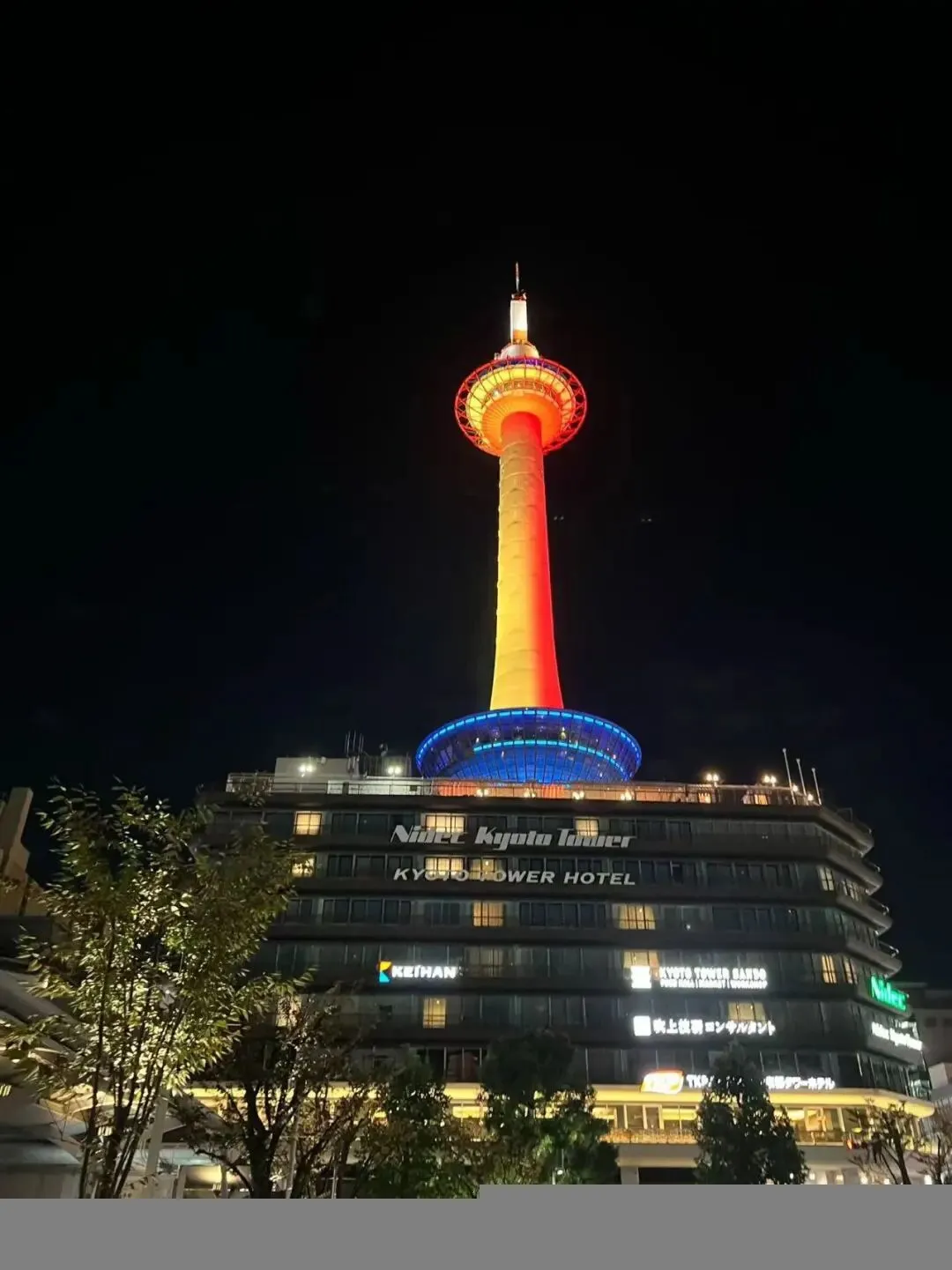
Yijian flies back to Germany every six months for a week to maintain his permanent residency status, using the trips for team meetings, design award judging, and brief travels.
Yet gaps emerged between expectations and reality. Believing cognitive advantages would yield breakthroughs in a fast-paced market, he found that among hyper-competitive peers, individual distinction faded. “Everyone is smart, everyone is educated, and everyone is grinding, so you do not actually end up better off,” he noted, realizing that ideas valued in Germany were merely baseline standards domestically.
“I feel thoroughly burned out,” Yijian laughed wryly, unsure whether returning to China empowered him or simply threw him into the currents of extreme domestic competition.

Navigating between two systems and lifestyles leaves little room for effortless maneuvering. Yet the drive for continued personal growth demands an outlet—one that would still prompt him to step back into this surging market if given the choice.