
China Meets Soybean Import Pledge Ahead of U.S. Summit, Industry Group Says
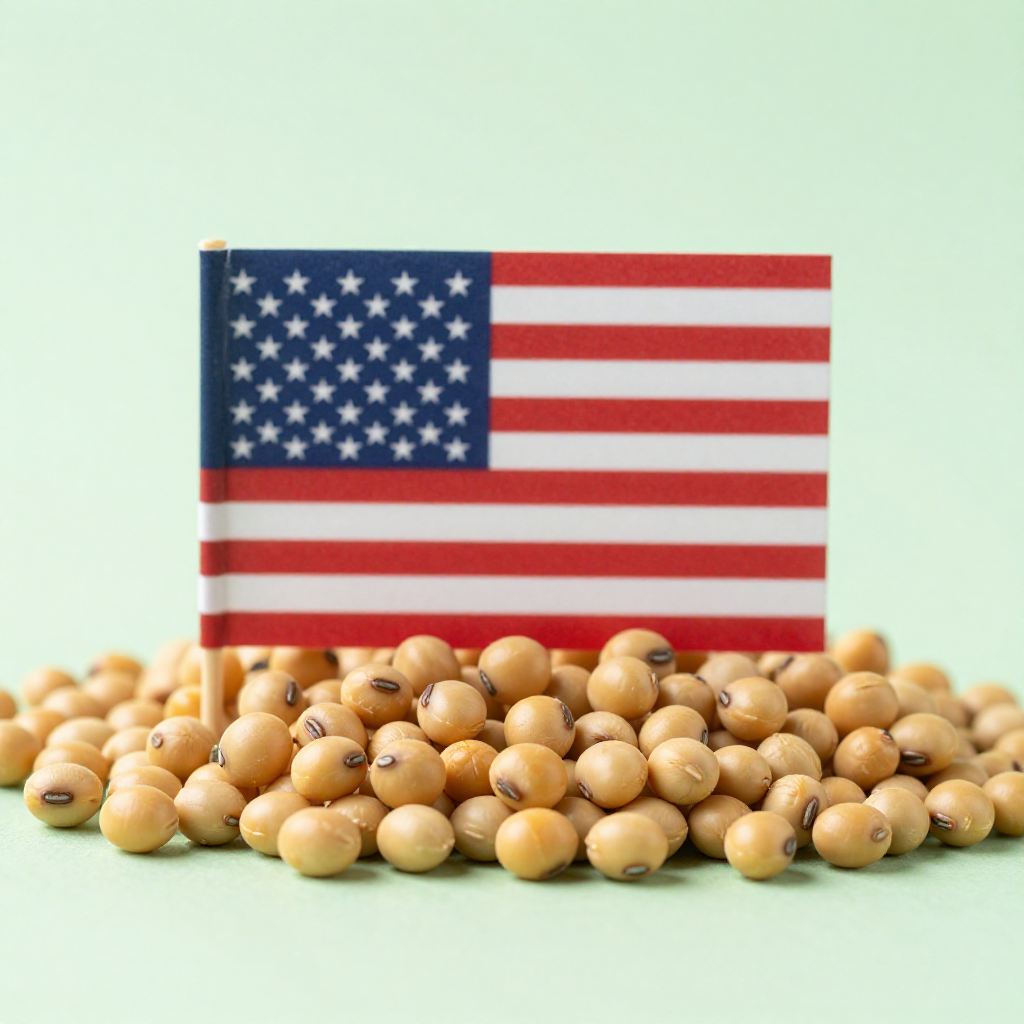
China has fulfilled its commitment to purchase American soybeans, shipping 12.35 million metric tons over the past marketing year, an industry official said, as Beijing steps up agricultural imports ahead of an upcoming summit in Washington.
Chinese President Xi Jinping is expected to meet with President Donald Trump on Sept. 24. Four traders told Reuters that China, the world’s largest oilseed buyer, purchased roughly 1 million metric tons of U.S. soybeans this week ahead of the high-stakes meeting.
The shipments satisfy a commitment made during trade talks in Busan, South Korea, where Beijing agreed to buy 12 million metric tons of U.S. soybeans. Jim Sutter, chief executive of the U.S. Soybean Export Council (USSEC), said total shipments reached 12.35 million metric tons by the close of the marketing year on Aug. 31.
Rhett Montgomery, lead analyst at agricultural data provider DTN, said reaching the 12-million-ton threshold right at the end of August did not appear to be a coincidence, noting the purchases closely tracked the sales-year calendar.
New Target Aims for 25 Million Metric Tons
With the new marketing year underway as of Sept. 1, market participants are now watching whether China will reach a substantially higher target of 25 million metric tons.
According to Sutter, China is roughly one-third of the way toward that 25-million-metric-ton goal when factoring in confirmed sales and orders registered to undisclosed destinations. Export data showed private exporters had booked 202,000 metric tons of new-crop soybeans to China as of Sept. 2.
Farmers Hope for Relief on Drone Tariffs
While grain volumes remain central to the talks, American farmers are also urging negotiators to address trade barriers and tariffs on agricultural equipment, particularly Chinese-manufactured drones.
Modern U.S. farming operations increasingly rely on Chinese agricultural drones and parts for precision spraying and crop monitoring. Tariffs and supply restrictions have steadily increased equipment and maintenance costs across the Farm Belt.
While observers caution that the upcoming summit may not resolve broader geopolitical disputes, agricultural groups view any progress on purchase commitments and equipment tariffs as essential relief for American growers.