
China’s Hollywood is dying. So it started charging tourists 388 yuan to star in micro-dramas

Ordinary tourists are developing a sudden appetite for acting—and accidentally throwing China’s struggling micro-drama industry a lifeline.

For just over 300 yuan, play the main character
Hengdian World Studios—the massive film and television production hub in China’s Zhejiang province often dubbed the “China Hollywood”—saw a sharp industry contraction. By the end of May, the number of registered active production crews had plummeted to 1,499, shrinking by more than half compared to the same period last year. Vacant soundstages have become the new normal, with idle rates approaching a staggering 80%. Behind these cold numbers lies a harsh industry-wide winter.
Yet on the flip side of this downturn, a novel track—tourists stepping in front of the camera—is heating up. Studio operators decided to creatively bundle and repackage existing assets: idle shooting facilities, wardrobe inventories, professional directors, and supporting actors into transparently priced micro-drama acting packages open to the general public. An industrial filmmaking pipeline once reserved exclusively for professionals has now been diced up into consumer-facing kits.
The logic is deceptively simple. When the professional micro-drama market hits a wall, why not pivot to amateur tourists? Soundstages, equipment, and professional shooting crews are already sitting there; servicing a paying tourist requires essentially the same infrastructure.
Here, anyone can play the lead role for a day.
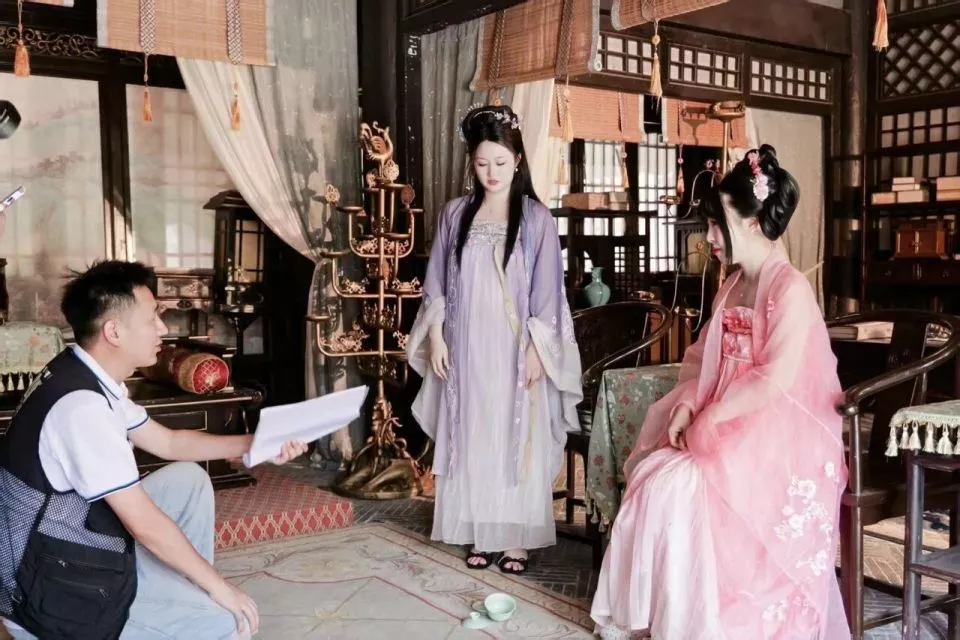
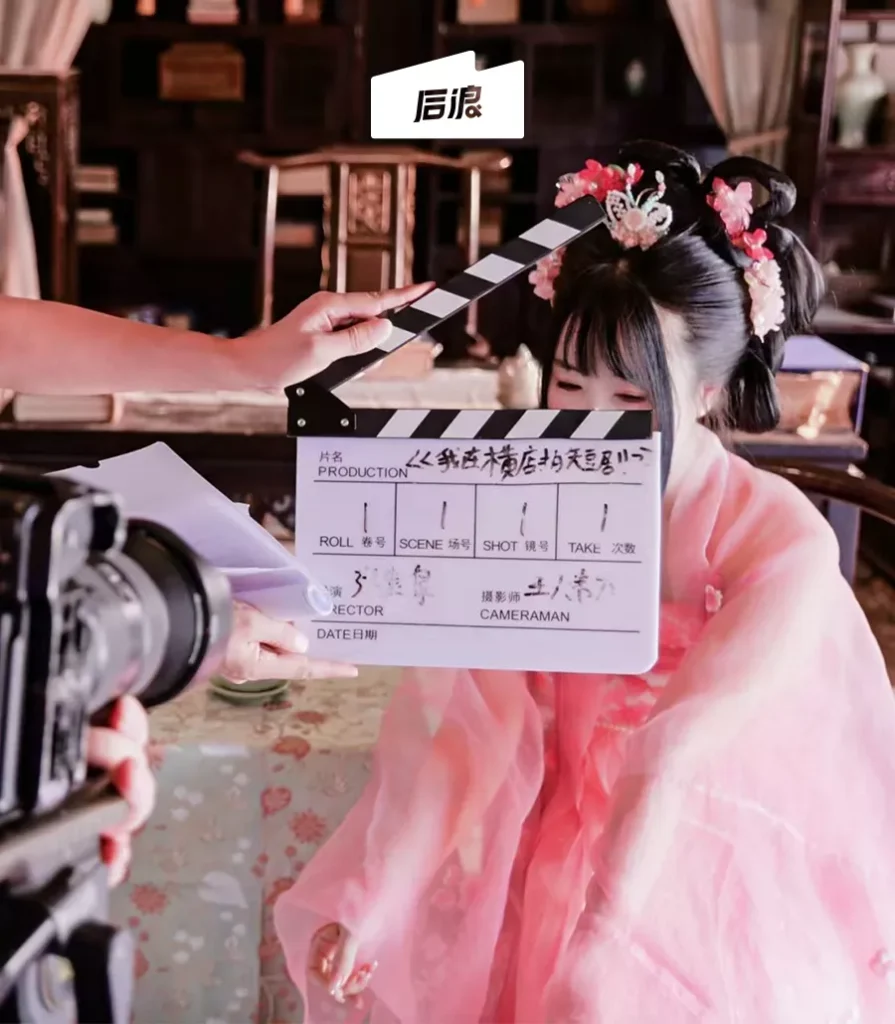
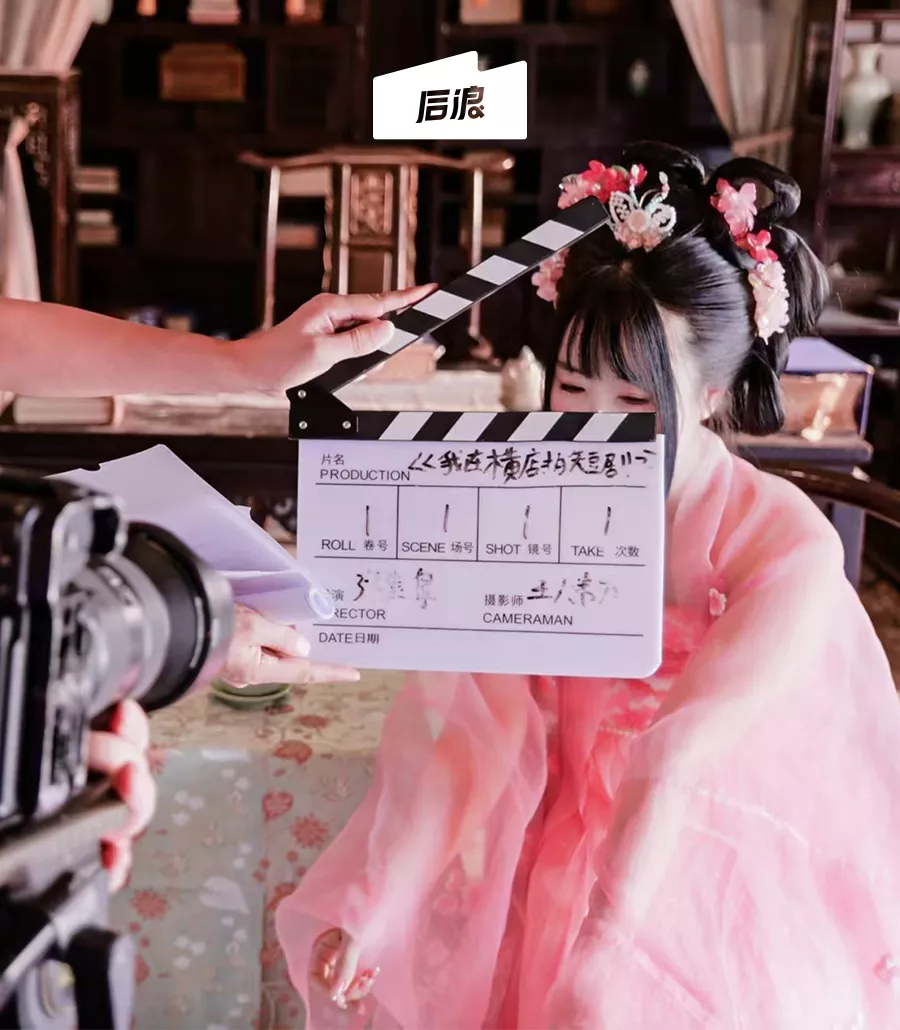
A tourist micro-drama filming set in Hengdian.
When the summer peak season kicked off in July, the scenic area rolled out its tourist micro-drama acting project. For just 388 yuan ($54), participants get a professional shooting crew to record a one-minute custom micro-drama segment. The end-to-end experience is designed to be breezy: participants arrive half an hour early for professional styling and makeup, and the shoot wraps up in about thirty minutes. Two days later, a polished, professionally edited final cut is delivered straight to their phones, ready to be flexed on WeChat Moments with the declaration: “My Hengdian debut.”
By August, scripts available in the studio’s inventory exceeded 20 titles, spanning royal court intrigue, Republican-era espionage, and martial arts rivalries. Imperial palace dramas reign supreme in popularity, with the mega-hit period drama Empresses in the Palace capturing over 30% of the script market share alone, boasting seven or eight classic scenes adapted directly into the catalog.
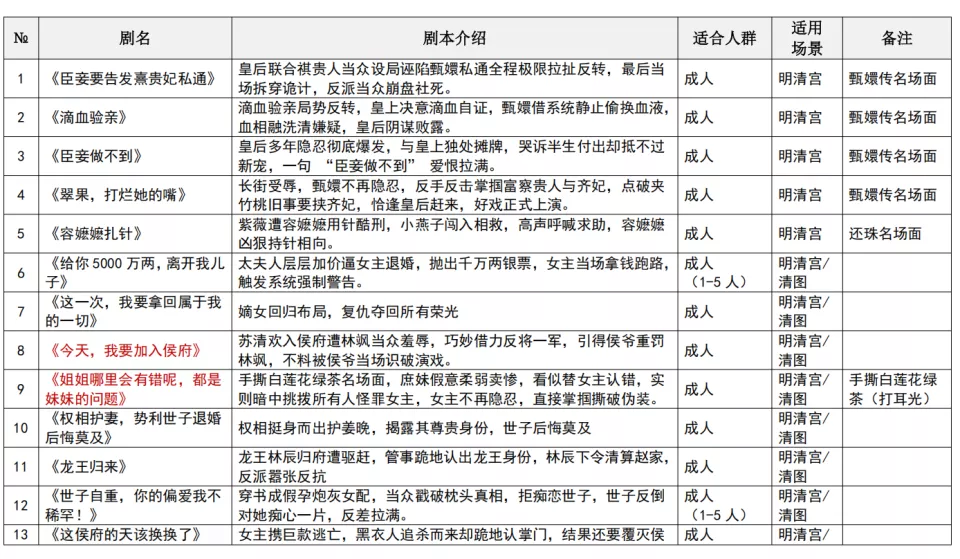
A list of available micro-drama scripts at Hengdian’s experience sets.
Young audiences, conditioned by endless scrolling through short-form video feeds, can visualize the plots instantly from the titles alone. However, the experience doesn’t slavishly recreate original masterpieces; instead, it injects classic web-novel tropes, supercharging familiar plots into high-octane “face-slapping” (satisfying revenge) scripts.
When lifestyle blogger @Tikuan visited, she picked a classic scene from Empresses in the Palace where the protagonist Zhen嬛 orders a maid to be physically punished. Playing Zhen嬛 herself alongside two supporting NPC (non-player character) actors provided by the scenic area, the script quickly cut to the chase: after a swift retaliation against a conspiring noblewoman, she delivered the killer line: “Does a lowly maid like you even deserve to speak to me?”
The sequence seamlessly weaves in classic melodramatic tropes, chaining one satisfying emotional high point to the next. Moments after declaring, “I’m about to see what tricks you have up your sleeve,” the script pivots instantly to another punchy confrontation.
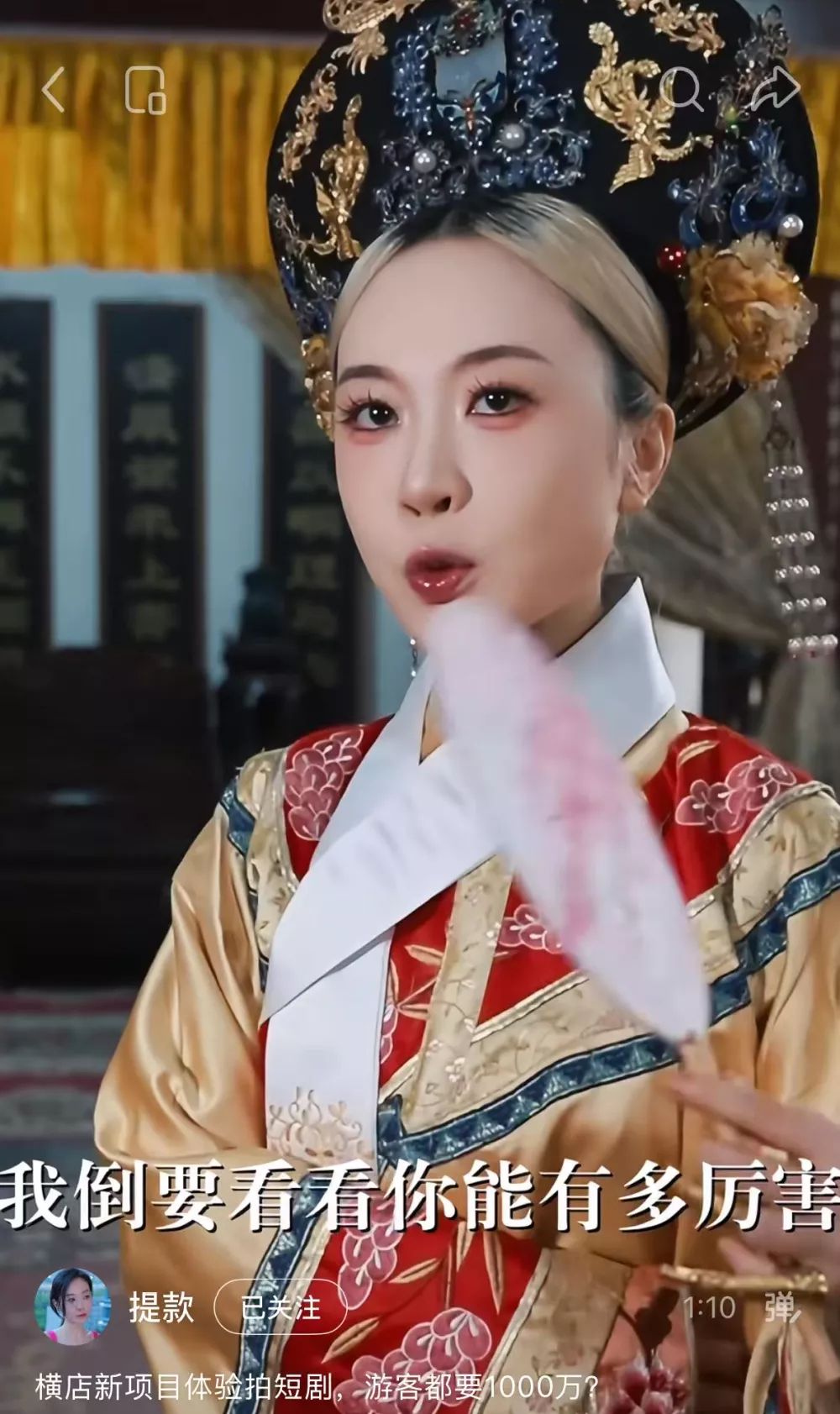
Photo source: Xiaohongshu @Tikuan
During actual filming, directors maintain a remarkably relaxed attitude toward the script. Tourists are encouraged to improvise and adapt dialogue much like an immersive murder-mystery game, sparking plenty of spontaneous comedic moments. After all, tourists aren’t here to attend an acting conservatory; this micro-drama experience is fundamentally an experiential retail derivative of tourism.
Xianyi, a member of the scenic area’s micro-film team, explained that the micro-drama experience actually evolved from a legacy micro-film service. Operating for over a decade, it was initially designed for student groups and corporate team-building events, priced around 3,000 yuan with an 8-minute finished runtime. Because it required groups of at least ten to make financial sense, the client base remained strictly capped.
When vertical micro-dramas exploded in popularity across Chinese screens in 2024, the team swiftly launched vertical shooting packages, tapping into the trending rebirth genre with titles like My Life as a Runaway Imperial Concubine in Hengdian. Realizing that modern travelers wanted low-cost, high-immersion packages, the team had to flip their traditional thinking: “How can we let two or three friends show up and walk away with a finished product?”
“The core is tight pacing, visceral gratification, and punchy dialogue that feels incredible the moment you say it out loud,” summarizes director Zhang Jinquan, explaining how runtimes were compressed to under two minutes.
An increasing number of young people now drive to Hengdian specifically to trade lines and crack jokes with friends. Meanwhile, throughout the summer holidays, parents routinely bring their children to participate in educational script shoots, dressing them up as imperial princes and princesses to recite classical poetry. Older visitors have even rolled in with entire extended families to celebrate milestone birthdays against ancient imperial backdrops.
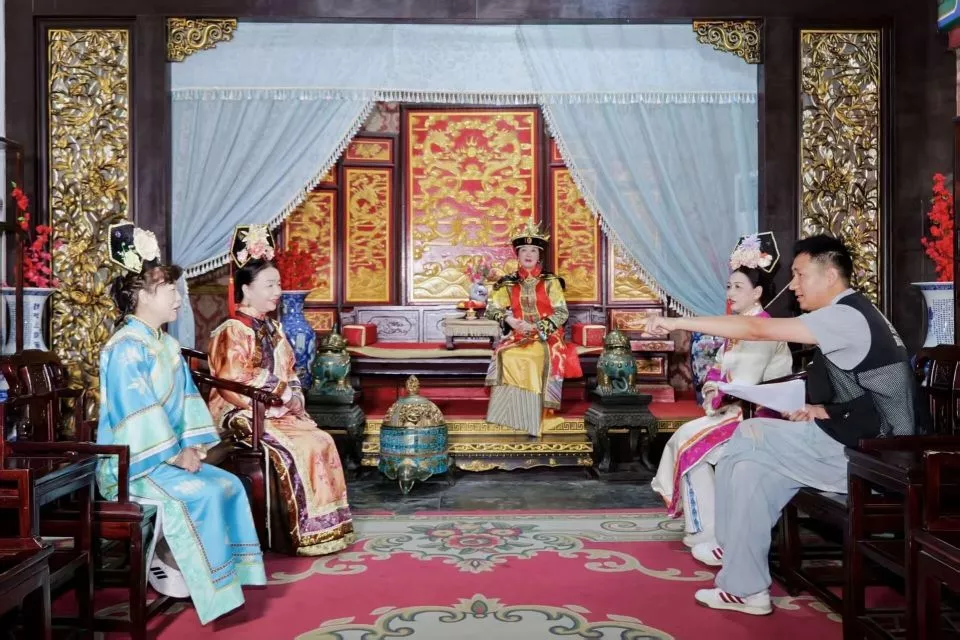
Groups of grandmothers shooting their own Qing-dynasty historical dramas.
Today, more than 20 groups of tourists check in to shoot every single day, keeping production crews running from 8:30 a.m. to 9:30 p.m. According to data compiled by China News Weekly, more than 2,000 tourists had tasted the thrill of micro-drama stardom by the end of August.

Tourism driven by pure emotion
The genius of micro-dramas lies in their ability to deliver concentrated bursts of emotional adrenaline—and within China’s crowded landscape of immersive tourism, this particular offering stands entirely alone.
Previously, the dominant trend in immersive tourism was simple costume photography. The sector surpassed 25 million consumer visits in 2024 with a market scale approaching 40 billion yuan ($5.6 billion), climbing to 49.77 billion yuan by 2025, though growth cooled to a modest 11.5%.
The underlying reason for the slowdown is that traditional costume photography focuses primarily on static styling, prioritizing the aesthetic value of apparel. Scenic street snapshots typically chase ethereal beauty—Tang-dynasty makeup, lavish hairpieces, and flowing translucent gowns styled with internet-famous aesthetics, but entirely devoid of spoken dialogue or interactive performance.
Roujie, a tourist from Southeast Asia visiting Hengdian for the first time, tried out a martial arts action micro-film shooting package at a local studio. She spent over four hours—consuming an entire afternoon—strapped into wire-fu harness rigs and executing sword choreography to secure a single 30-second video clip.
That service was priced at 2,000 yuan. Before the emergence of micro-dramas, immersive cinematic experiences were built around professional production standards, demanding high-end visual fidelity that inevitably required longer shooting cycles and steeper budgets.
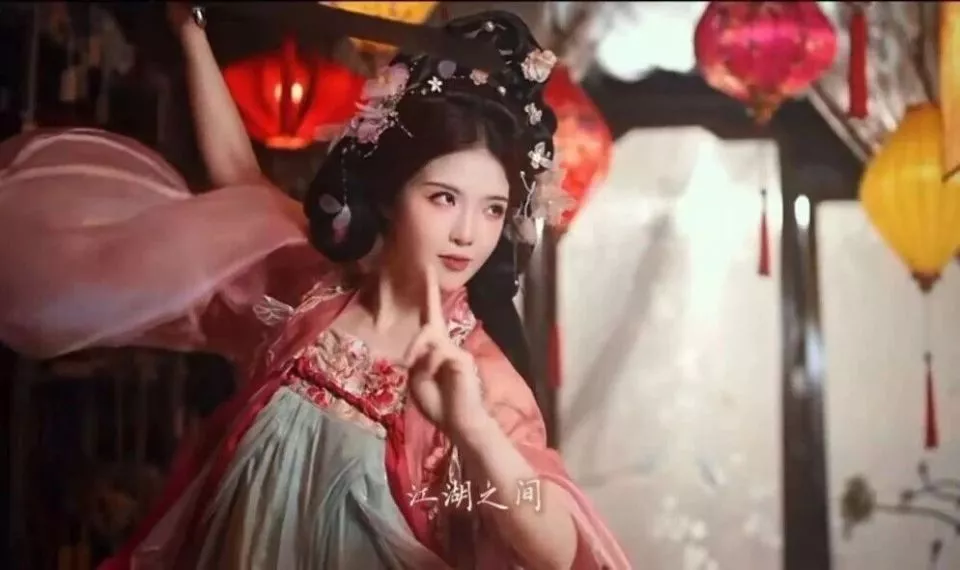
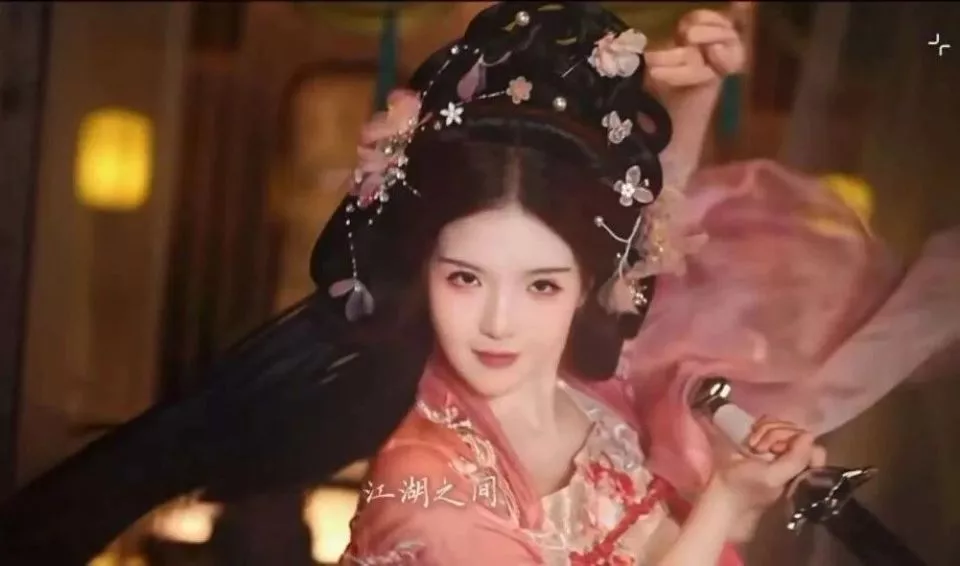
Photo source: Xiaohongshu @Roujie
Micro-drama acting takes an entirely different route, prioritizing narrative drive, dialogue interaction, and raw performance energy. Styling and makeup strictly follow the character’s designated persona rather than vanity; beggars, for instance, won’t be given aristocratic flourishes, Xianyi notes.
Naturally, participating tourists aren’t necessarily chasing flattering aesthetics. Botched expressions and stiff acting are commonplace, but as long as the participant gets swept up in the emotional momentum of the scene, the service delivers on its psychological promise.
Those who book these shoots typically arrive in tight-knit groups of friends, eager to test out persona tropes they would never touch in real life. Some female visitors relish cross-dressing as male characters to duel with their friends, while others eagerly audition as cunning, manipulative archetypes to tear down a fictional best friend. Resident directors typically run through a quick demonstration first, letting tourists mimic their delivery.
In practice, many visitors turn out to be closet hams, frequently blowing past the director’s boundaries to improvise just like in an immersive role-playing game. Some first-timers deliver performances with uncanny professional flair.
n
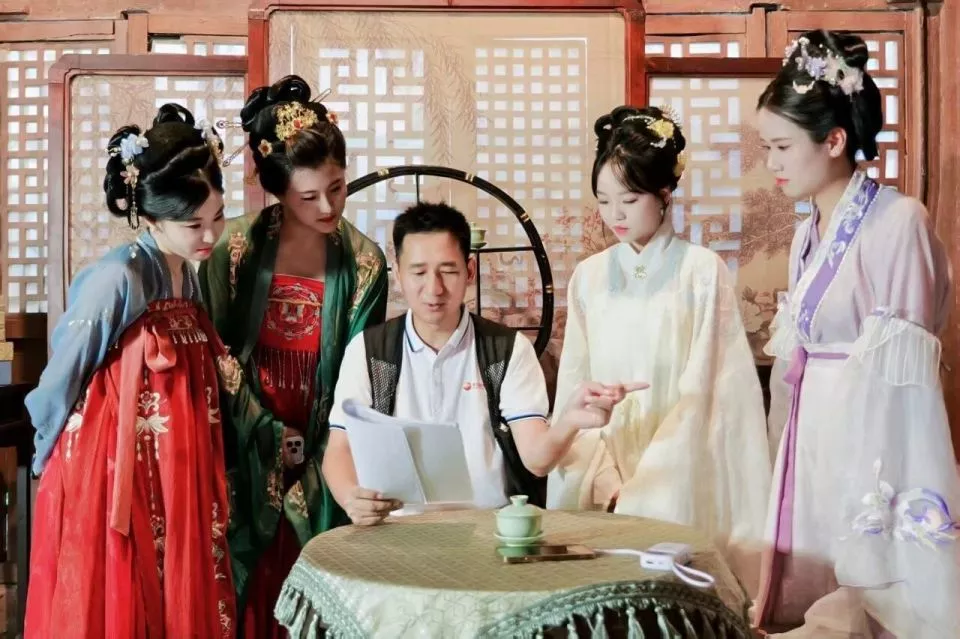
Director Zhang Jinquan initially worried that nobody would want to play villainous supporting roles, even briefing scenic NPCs to stand by as backups. To his surprise, tourists eagerly volunteered to play toxic schemers. “One visitor insisted, ‘Don’t find a stand-in, I want to play the manipulative home-wrecker because it feels amazing.’ She nailed the delivery instantly with that classic line: ‘It’s all my fault as the younger sister, how could my elder sister possibly be wrong?'”
n
Director Zhang Jinquan coaching a tourist on set.
The 388-yuan per-person price point is only possible thanks to the economies of scale unique to an official scenic area. “If an independent micro-drama crew tried to rent a camera crew independently, the baseline costs alone would shatter that budget,” Zhang points out.
Additionally, the mature system of resident NPC actors already maintained by the scenic area provides a structural edge, as existing background actors can support tourist productions at no extra cost. This gives directors the flexibility to spin off lucrative value-added services—such as custom script tailoring and creative gameplay based on specific visitor demands.
One memory that stands out for Zhang is an elderly couple in their seventies. The grandmother, an avid fan of micro-dramas, had traveled specifically to catch sight of her favorite actors. When they spotted the micro-drama experience, they decided to shoot a keepsake video. The crew assigned two NPCs to play their children in a customized plot: the elderly couple portrayed household elders whose son was being forced into a marriage with an unruly imperial princess favored by the emperor, while their grandson was dating a gentle sweetheart…
n
The two NPC actors played along with the elderly couple for the better part of a day, with the grandmother fearlessly chewing up the scenery. While seniors used to merely stand on the sidelines watching professionals work, discovering they could step directly into the frame and bask in center-stage attention made them more than willing to part with a little cash.
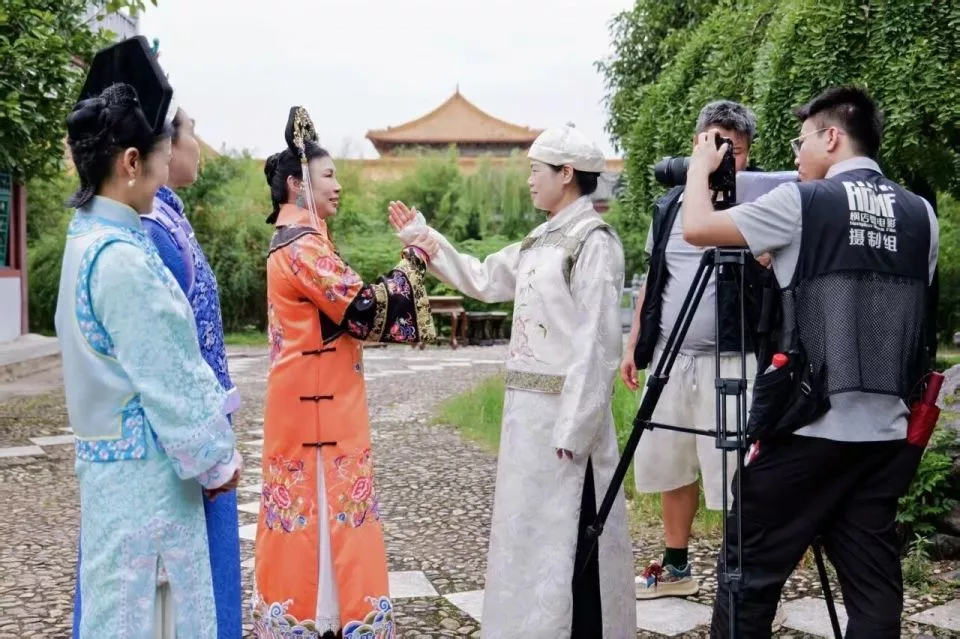
An elderly acting troupe on set.
Complementing the micro-drama packages are “NPC Interaction Blind Boxes,” starting at 598 yuan. While basic micro-dramas assign supporting roles randomly among scenic NPCs, visitors craving deep interactions with specific popular performers can purchase blind box slots.
Zhang notes that many arriving tourists express a fierce desire to team up with specific viral NPCs. To prevent popular cast members from becoming flashpoints for favoritism or scalping, management intentionally instituted a random draw system—which cleverly means tourists can repeatedly repurchase packages in hopes of finally landing their dream co-star.
While daily purchase caps are enforced to encourage rational consumer spending, it’s clear that fueled by NPC fandom culture, character-driven auxiliary services will continue unlocking fresh revenue streams for the micro-drama business.

Stepping into the story
Across China, immersive tourist attractions are locked in fierce competition, with the battleground entirely centered on how deeply they can engage the visitor’s senses.
The first metric of comparison is NPC interactivity.
n
Many travelers journey hundreds of miles to a specific scenic spot simply because they spotted a viral interaction video of an NPC on social media. A single standout performer can single-handedly revive foot traffic for an entire destination.
For instance, the trending Toutang Old Street scenic area in Tangshan skyrocketed to internet fame thanks to an NPC playing the ancient Chinese poet Li Bai. Strolling down the historic street, visitors can pose any question they like to the romantic poet and ask him to untangle their existential dilemmas.
When one visitor asked Li Bai, “What should I do when someone stops loving me?” he stroked his beard and replied: “Human hearts are like the moon on the horizon; meeting and parting are drifting dust on the path. Do not desperately chase the wind as it passes; half of life’s hellos and goodbyes are simply natural law.” When the visitor admitted they didn’t quite follow, Li Bai casually flagged down his companion “Little Du” to translate, prompting Du Fu to bluntly chime in: “It means you need to dump them and find someone else.”

An NPC playing Li Bai at Tangshan’s Toutang Old Street. Source: CNR
n
At the exact moment of questioning, the tourist’s psychological barrier between stage and spectator shatters, making them feel like an ordinary citizen standing on the street corner of a bygone era.
This responsive, personalized feedback loop endows NPCs with potent vitality and interactive magic. Fans even speak of “NPC stamp-collecting”—traveling from destination to destination just to check off famous characters, snap photos, and experience unique localized banter.
Taking things one step further, scenic spots are deploying multiple strategies to completely erase the boundary between tourists and NPCs.
Whether collecting stamps or watching stage shows, visitors ultimately remain spectators. To deepen engagement, attractions are continuously iterating creative gameplay designed to get tourists rolling up their sleeves.
One popular blueprint transforms theme parks into open-world sandboxes. Visitors are assigned character identities and backstory frameworks upon entry, split into factions, and set loose to trigger mission chains by freely exploring the grounds—forming teams to solve puzzles, interacting with NPCs to earn in-game currency, trading for merchandise, and climbing leaderboards.
The pioneer pushing this model to its absolute limit is the Wanshoushan Martial Arts City in Kaifeng. Visitors earn virtual currency from NPCs through games like rock-paper-scissors and poetry duels, or tackle side quests such as escorting caravans, running rescue missions, or acting as judges. Out of nearly 3,000 daily live performances across the park, 2,000 are improvised collaborative acts between tourists and NPCs—a formula that generated 1.27 billion yuan ($178 million) in ticket and in-park revenue for Wanshoushan in 2025, multiplying 15-fold over three years.
By March of this year, a “beggar role-playing experience” launched by Kaifeng’s Qingming Shanghe Yuan (Along the River During the Qingming Festival) sparked similar viral fascination. Visitors can swap into tattered beggar costumes at the park gates, wander the grounds playing the role of ancient beggar clan members, and beg other tourists for “Song dynasty paper currency.” Fully committed visitors played the beggar parts so convincingly that other tourists occasionally mistook them for actual staff members. Netizens joked that tourists were now paying out of pocket to become park NPCs themselves—proving that in today’s tourism economy, acting chops are the ultimate currency.
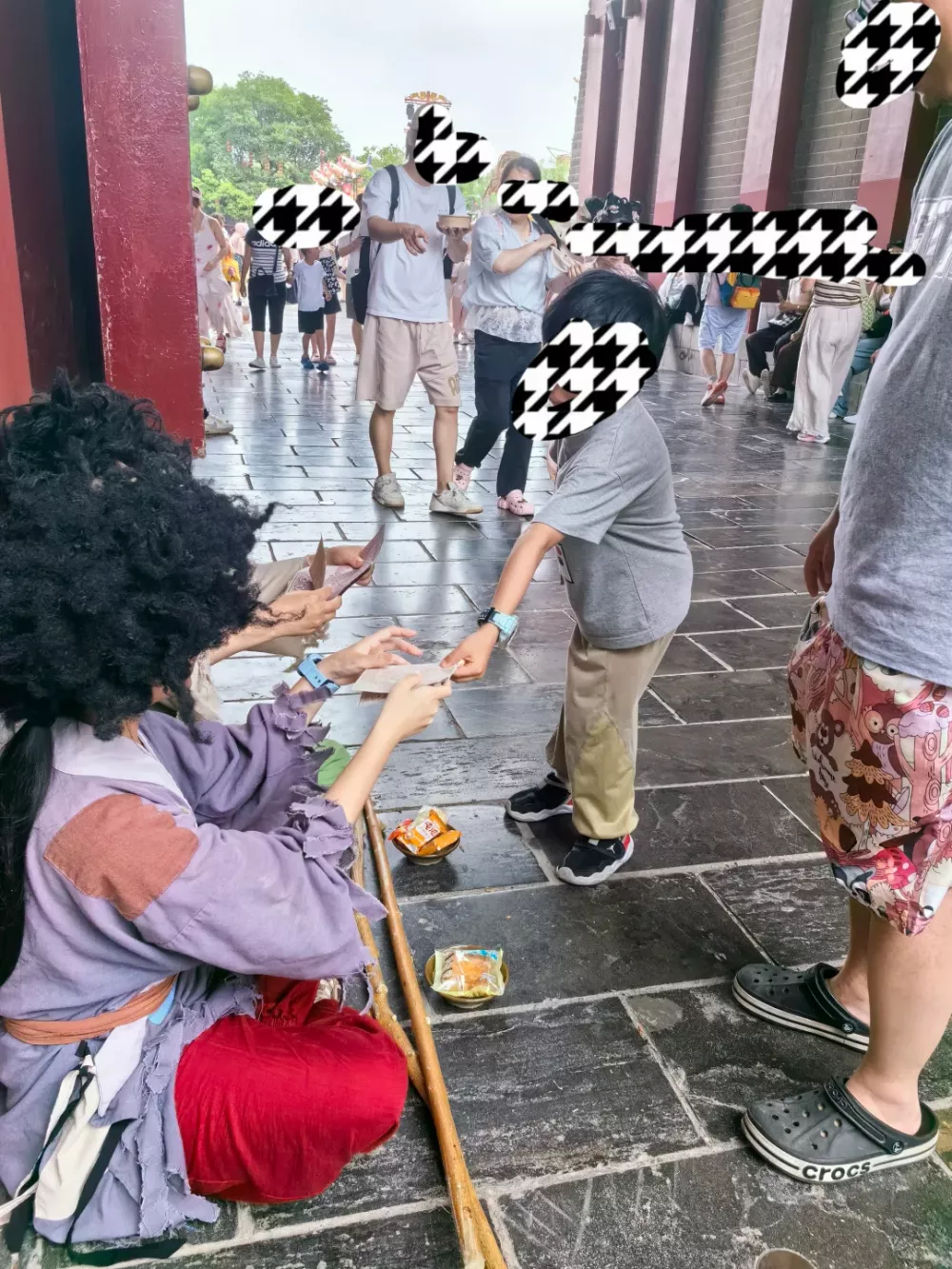
Playing a beggar at Qingming Shanghe Yuan. Source: Xiaohongshu @momo
These formats grant visitors ample room for self-expression. Hengdian’s booming micro-drama trend takes this identity integration, plot progression, and on-set creativity to its ultimate logical peak—with tourists stepping up as actors starring in their own shows.
Tracing the root cause, travelers’ demands for immersive attractions have long outgrown simple backdrops designed for snapshots. What they crave is a higher degree of participation and a guaranteed stake in the narrative. What truly brings immersive scenic areas to life is the magic of engaging human interaction.
Today’s younger generations no longer wish to sit quietly as passive audiences; they want to break straight into the core of the story, ideally equipped with their own names, identities, and personal plotlines. As professional studio crews step back, grassroots “peoples’ production units” have stepped up, helping ordinary people claim their own cinematic moment in the spotlight.