
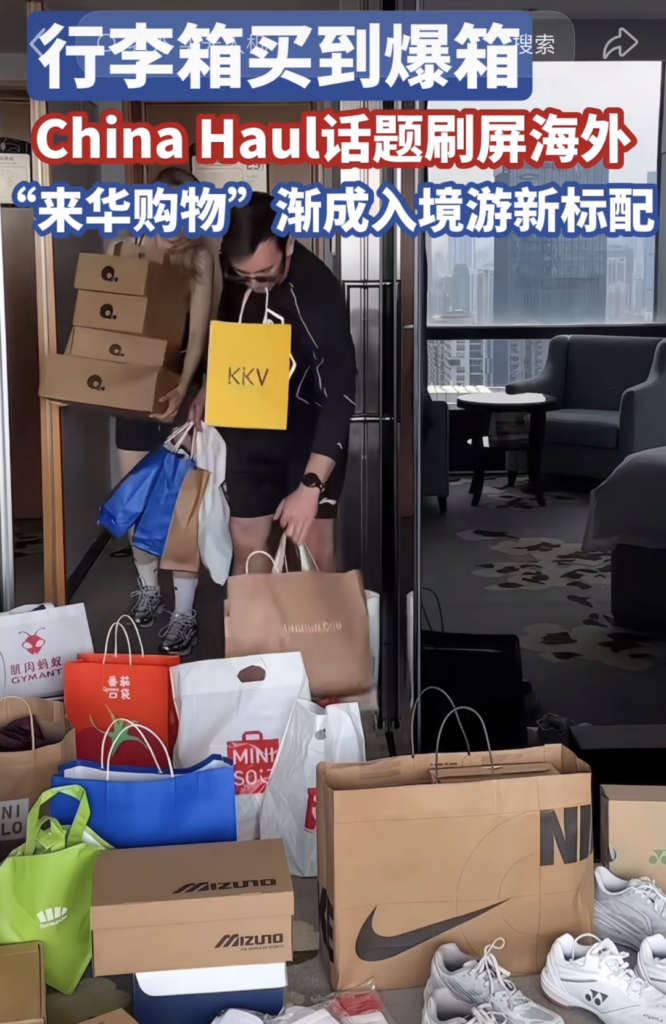
Empty suitcases and 7,000-yuan purchases. Why foreign tourists are cleaning out Chinese pharmacies and tech stores
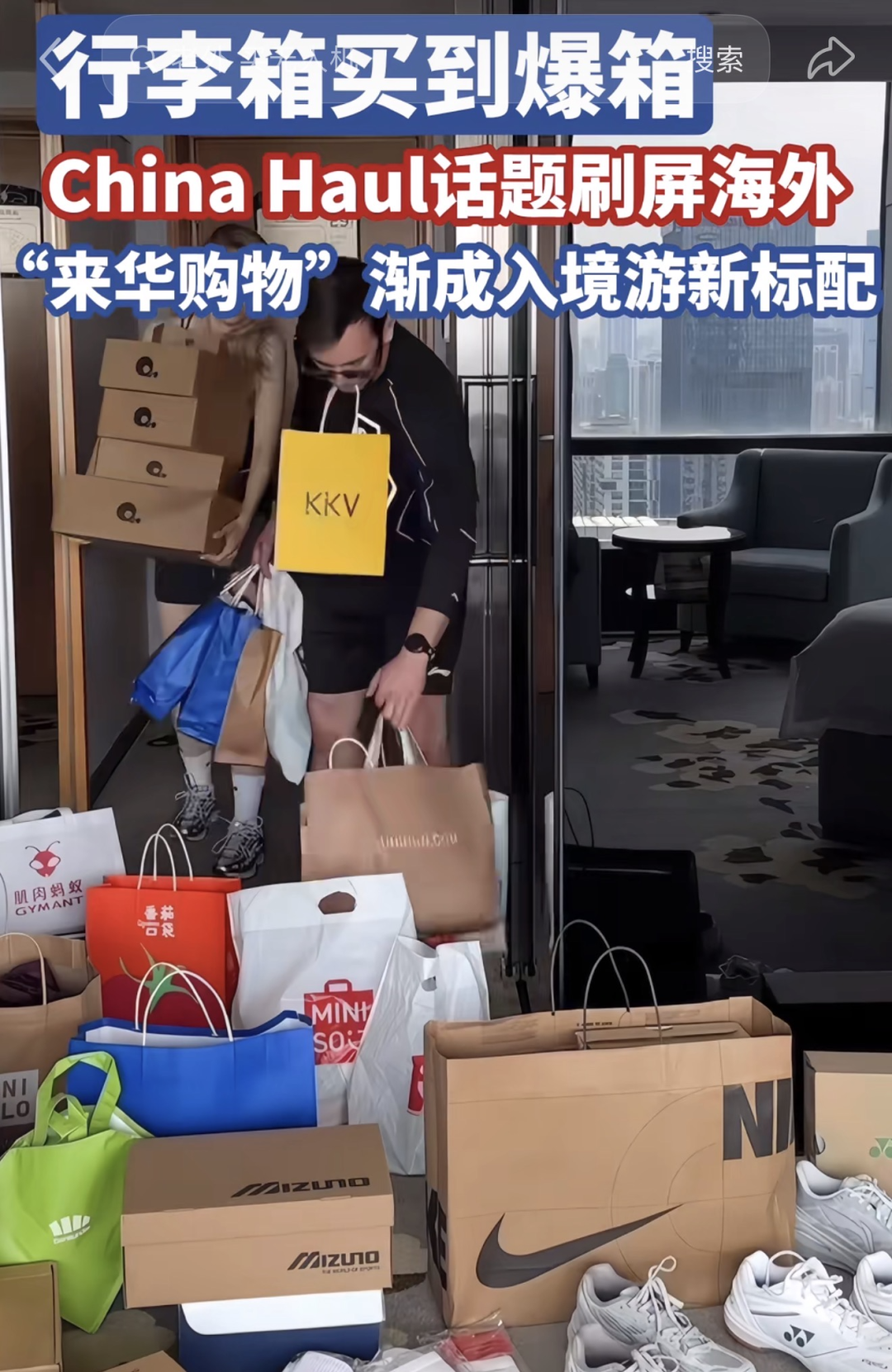
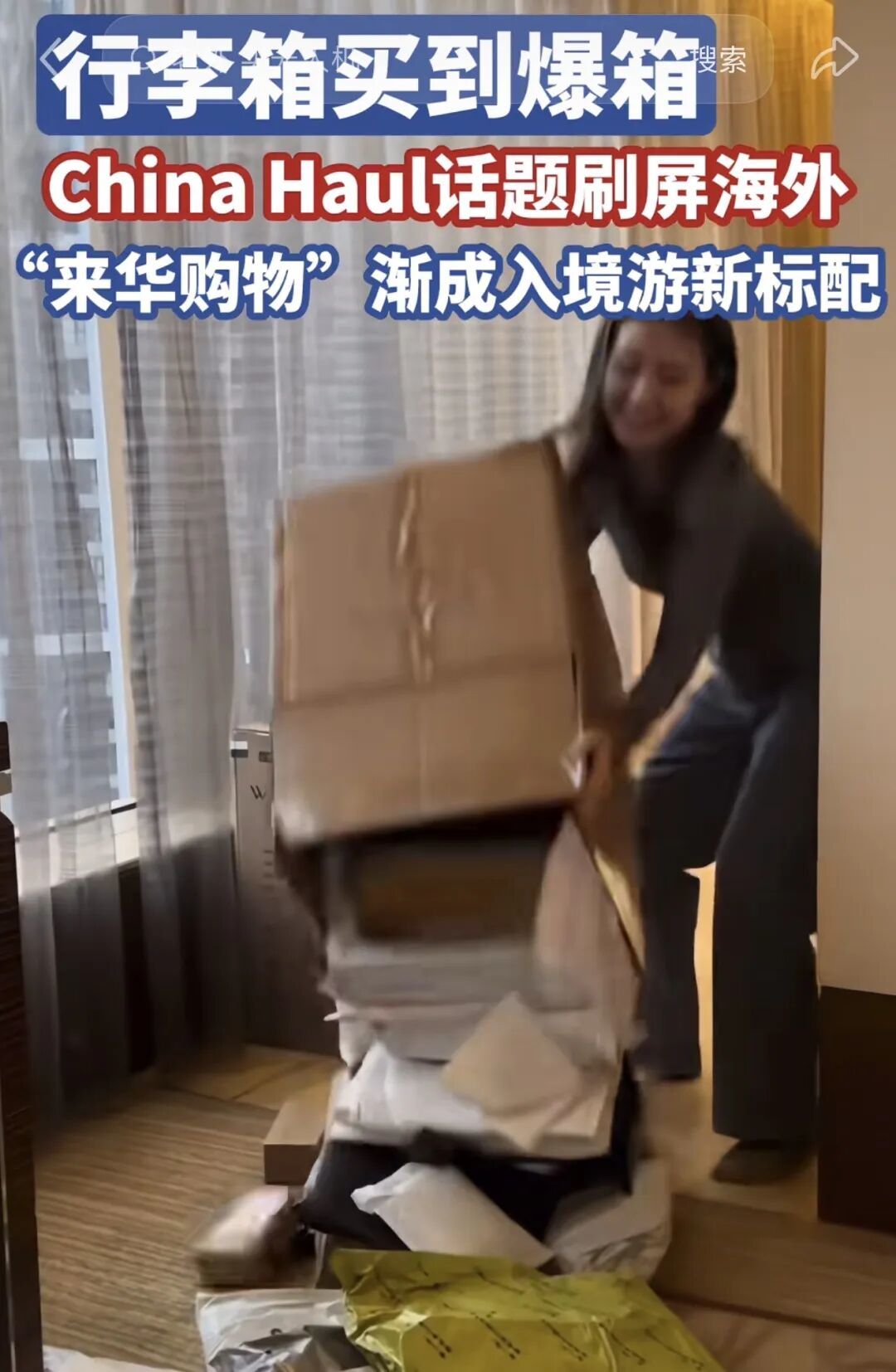
This viral phenomenon has earned a specific moniker across Western and Asian platforms: the “China haul.” Scroll through TikTok or YouTube, and you will find travelers dumping out their luggage to showcase bizarre and brilliant finds—ranging from retro sneakers and herbal cough syrups to AI-powered translation glasses and trendy mystery box toys.

The new “four treasures” of Chinese tourism have taken over global feeds: specialty OTC medicines, local snacks and condiments, high-tech gadgets, and creative design toys.

The most visually striking retail pilgrimage happens in local pharmacies. What locals view as a standard household remedy has taken on an almost mythical status among foreign buyers. At the forefront is Nin Jiom Pei Pa Koa, a traditional herbal cough syrup. With a soothing texture and a flavor profile that bears a striking resemblance to Dr Pepper, the herbal syrup has won over international musicians, teachers, and actors who swear by its vocal-clearing properties.

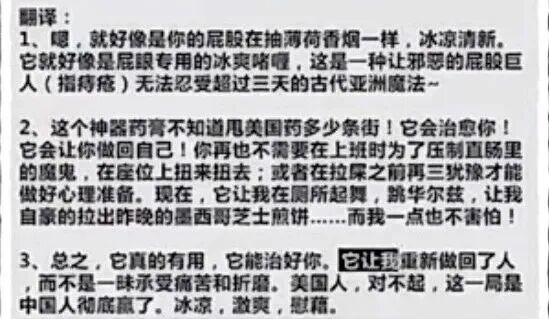
Even more surprising is the overseas obsession with Mayinglong Musk Pile Ointment, a specialized hemorrhoid cream that briefly topped Amazon’s bestseller lists in its category. Sold for just over a dozen yuan domestically, it commands up to $70 on Western e-commerce platforms, where reviewers wax poetic about how the ointment saved their quality of life.

Beyond pharmacies, foreign shoppers are treating Chinese convenience stores and supermarket aisles like a culinary obstacle course. From chili sauces and spicy snacks to the famously polarizing herbal soda Baihua Sheshecao Shui, adventurous foodies are documenting their taste-test reactions for millions of online followers.



Lao Gan Ma chili crisp—affectionately dubbed the “Godmother” of hot sauces by global fans—has long since graduated from niche condiment to pantry staple in Western kitchens, frequently appearing in eccentric food pairings on late-night television.
When these shoppers wander into tech markets, the culture shock deepens. Watching tourists react to smart cars with physics-defying touchless doors or test out AI translation glasses that instantly convert spoken Mandarin into fluent Spanish is a masterclass in modern consumer awe.
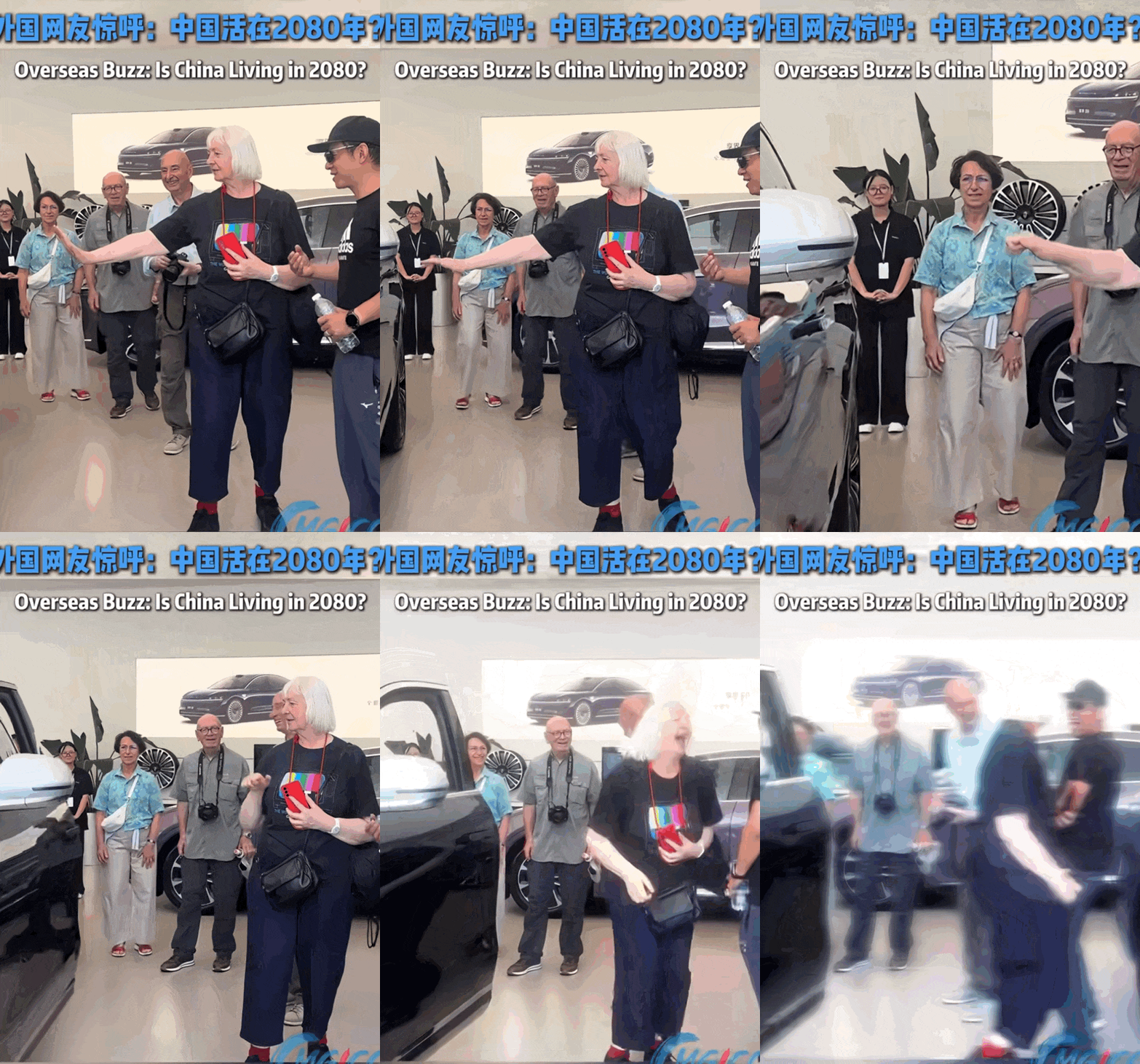

By the time they head to the airport, picking up a consumer drone or a pocket gimbal has become second nature.
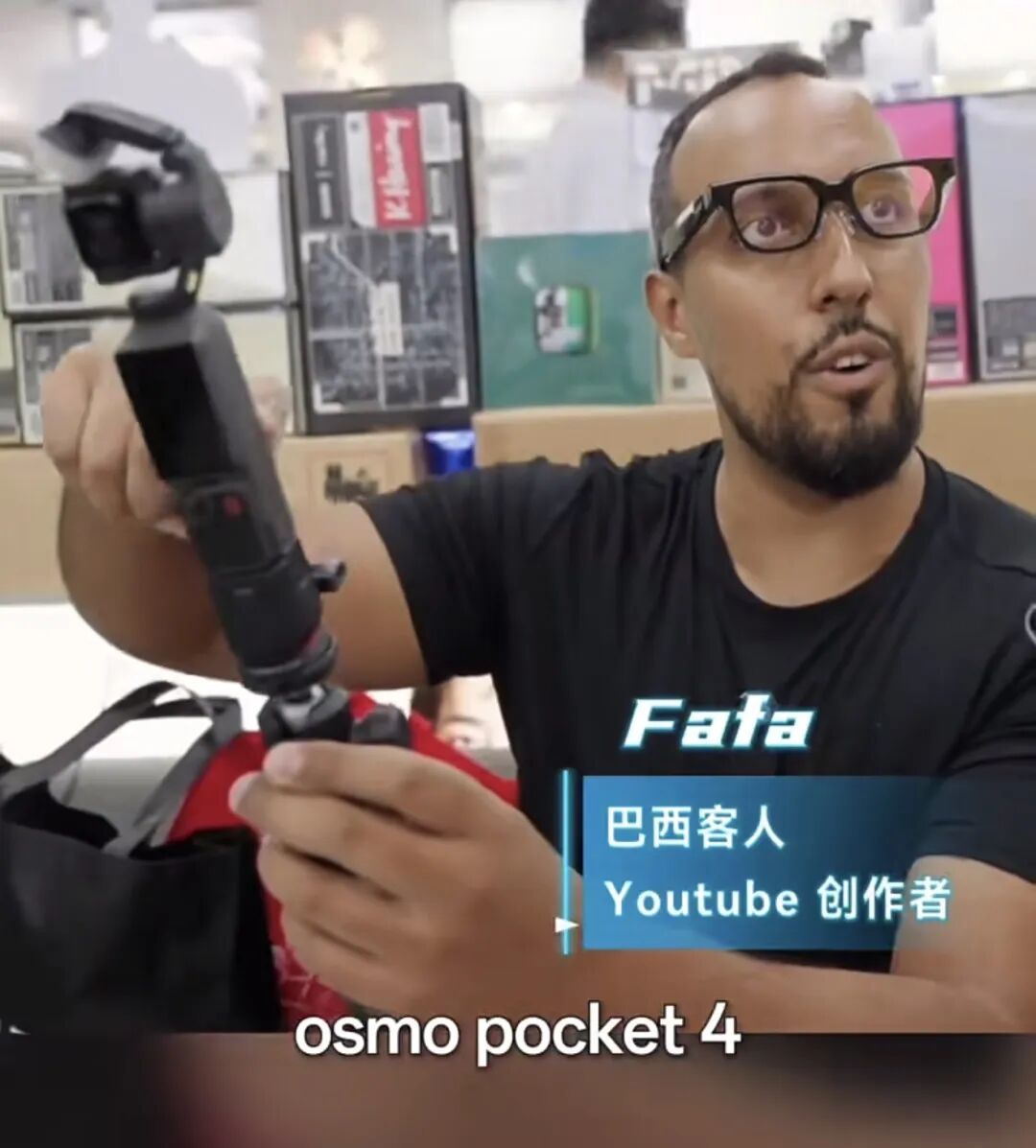
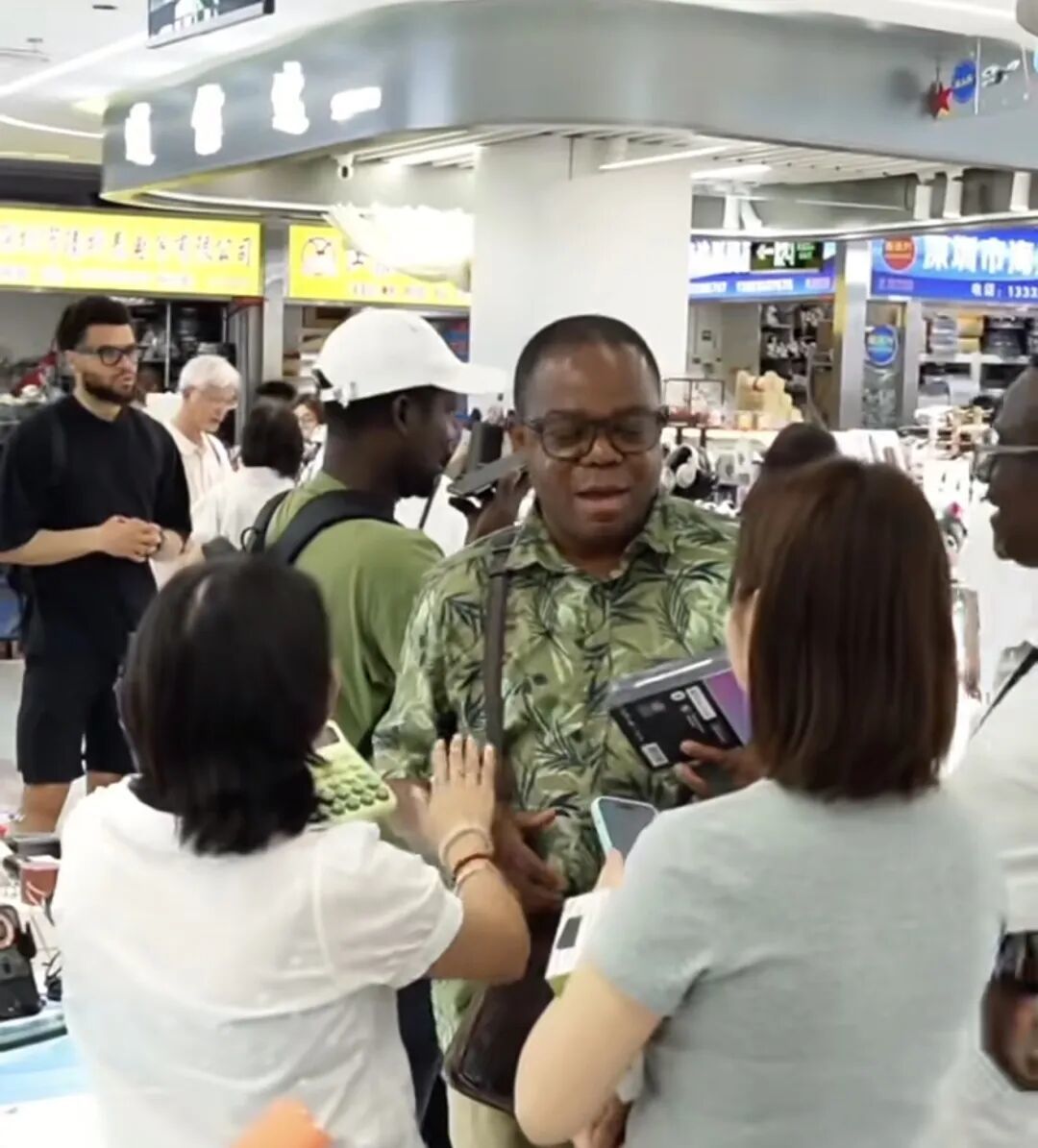
Data from major tech and electronics districts shows that daily international foot traffic has surged, with AI-related product sales jumping over 55% year-on-year, led by a doubling in demand for smart eyewear.
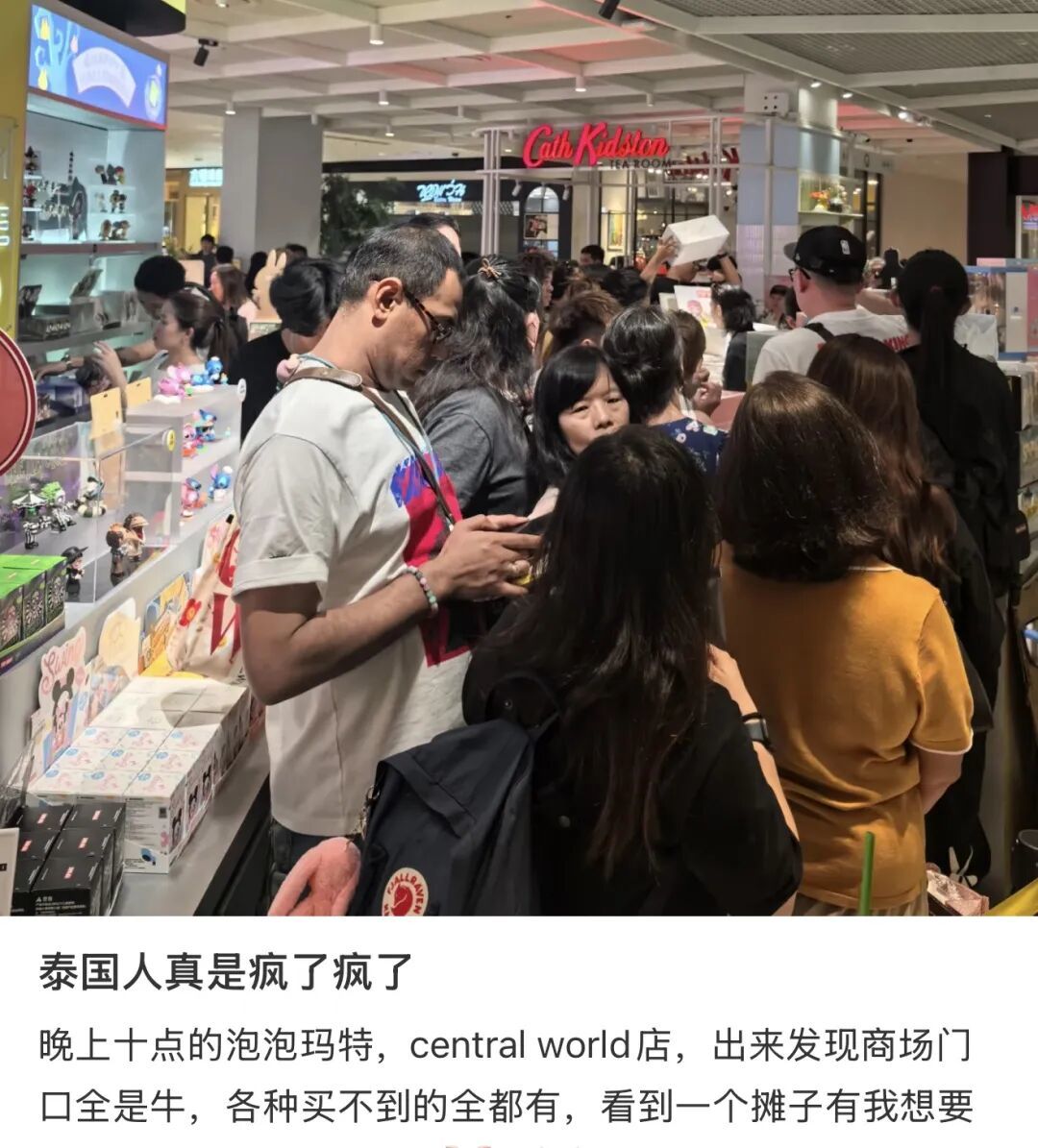
Toy and blind-box retail stores represent another friction-free zone for international spending. Designer collectibles frequently draw hours-long queues. Foreign buyers snap up domestic releases for a fraction of their eventual resale value abroad, turning local toy shopping into a high-yield arbitrage game.
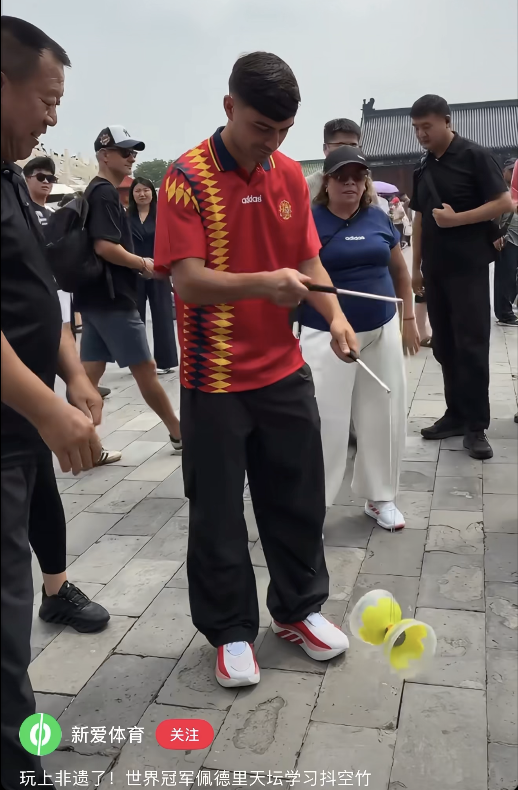
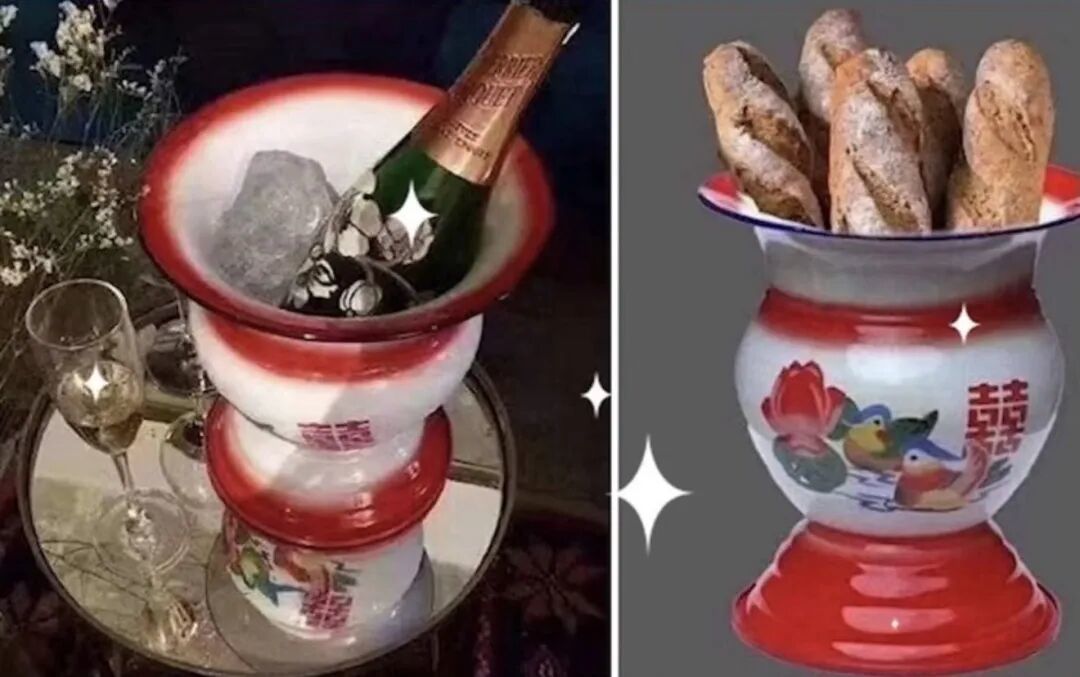
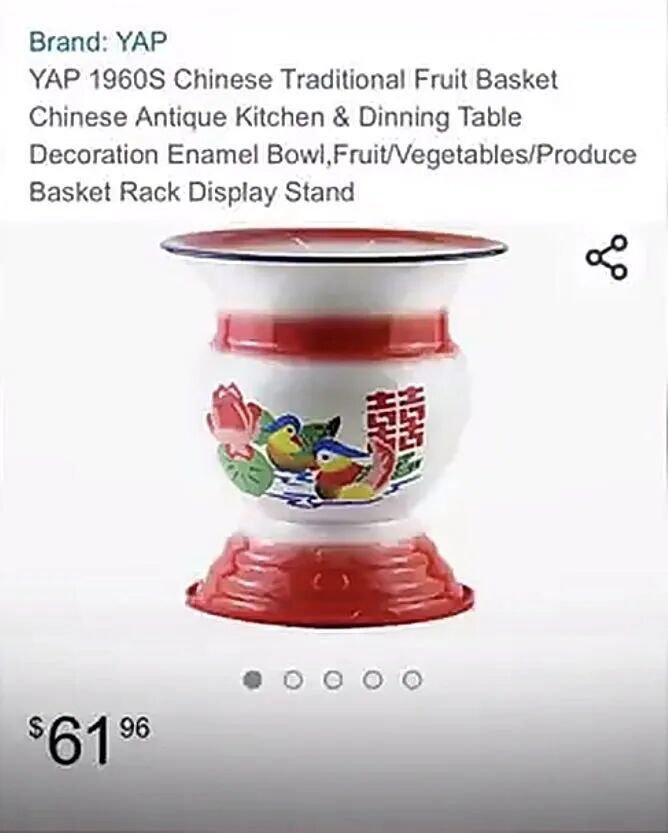
Even grassroots cultural items have found unlikely fans. Traditional toys like Chinese diabolo (kongzhu) and colorful handheld shuttlecocks are being mastered by European tourists in public squares, while utilitarian items like vintage enamel spittoons are being repurposed by overseas buyers as chic, retro champagne ice buckets.
The “China haul” trend reflects a fundamental shift in how international consumers perceive “Made in China.” Cheap pricing is no longer the sole driver; instead, viral social media recommendations, clever product design, and genuine functional utility are bringing global buyers onto the exact same wavelength as local consumers.


Official tourism and customs data underscore this economic momentum. In the first half of the year, inbound international visitors reached 22.91 million—a 20.4% increase year-on-year—with nearly 78% entering under visa-free policies. Tax-free shopping transactions have spiked dramatically, with average purchases under specific digital tax-refund systems hitting roughly 7,000 yuan per transaction during major holiday windows.



What started as online content creation has matured into a robust commercial pipeline. For local residents, the surreal part of the trend is realizing that the mundane items populating neighborhood convenience store shelves are precisely the treasures foreign travelers are crossing oceans to pack into their suitcases.