
Norwegian troops found military base codes on Chinese-made rental cars. They kept using them anyway
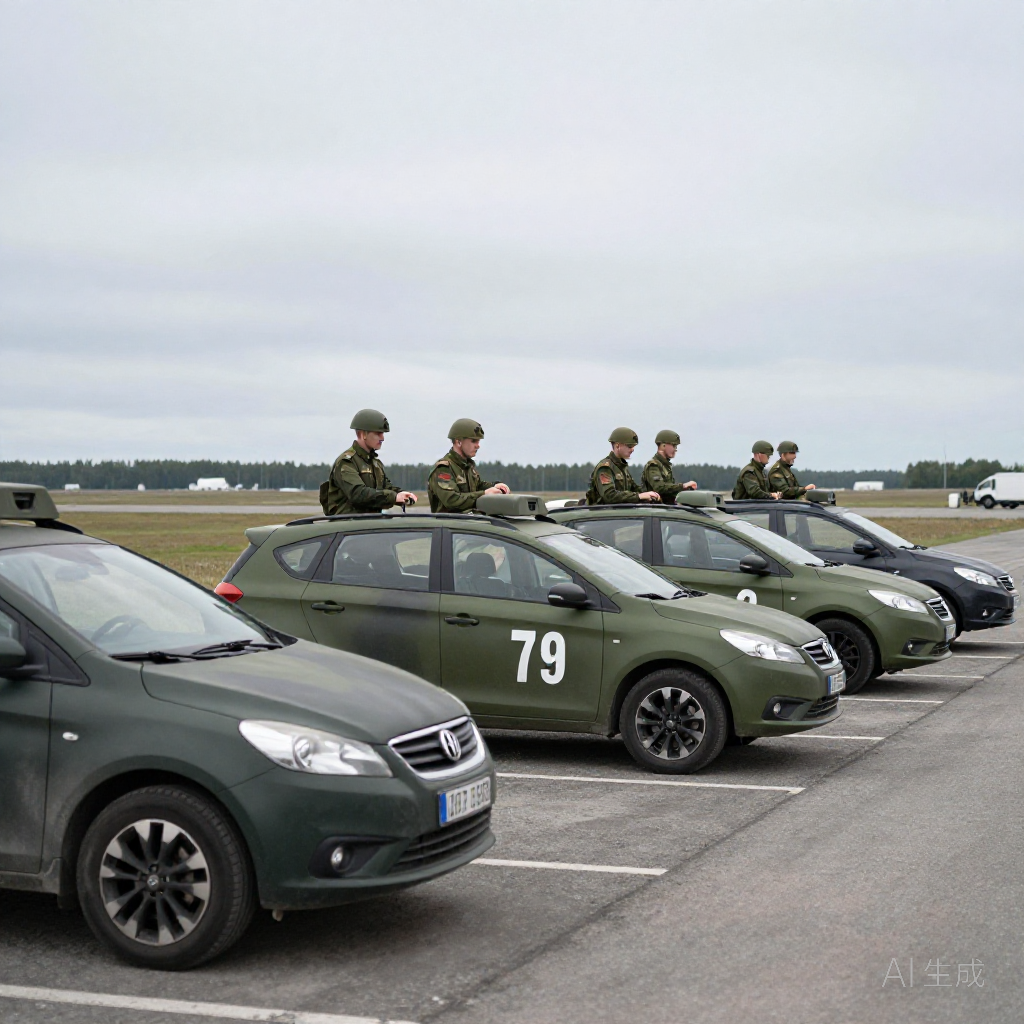
— RFI 华语 – 法国国际广播电台 (@RFI_Cn) October 17, 2026
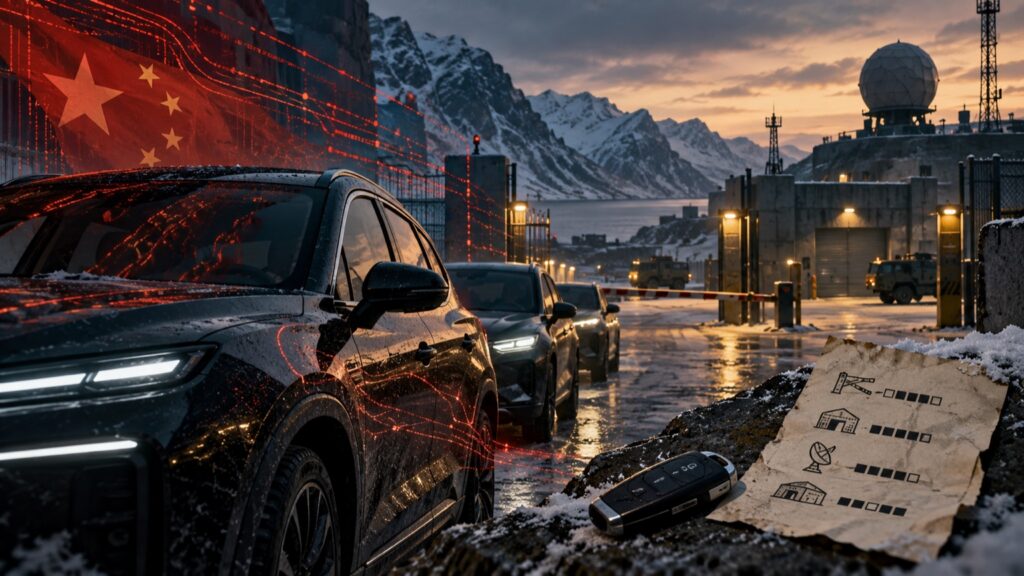
The hidden risks of connected vehicles have resurfaced in Europe, after the Norwegian military discovered that rental cars used during a major defense exercise had recorded sensitive operational data—including base access codes and troop movements—via their built-in camera systems.
According to reports by Norwegian business daily Dagens Næringsliv, off-duty soldiers operating the vehicle infotainment systems in mid-September at Oslo Airport stumbled upon stored video logs. The footage, automatically captured by onboard cameras, detailed troop embarkation, driving routes, and even the entry passwords for military base gates and secure rooms.
The intelligence leak came to light three weeks after the exercise concluded. At least two of the rental cars involved were Deepal vehicles—an electric vehicle brand manufactured by Changan Automobile, a major Chinese state-owned automaker. The vehicles were supplied to the military by Hertz Norway, a car rental firm whose indirect controlling stake is held by China’s Geely Holding Group.
Major Stian Grossbergshaugen, a spokesperson for the Norwegian Home Guard, confirmed the discovery to Agence France-Presse (AFP). “Soldiers did indeed see video content filmed by onboard sensors within the vehicle’s internal systems,” he said. While it remains unclear whether the data was transmitted externally—particularly back to China—the officer admitted that completely ruling out such a possibility is difficult.
The incident exposes a glaring contradiction: even as European militaries step up defenses against espionage and hybrid threats, the commercial vehicles they procure and utilize are inherently equipped to harvest sensitive intelligence. Despite recognizing the data breach risks, the Norwegian military continued using the vehicles during the exercise due to a lack of immediate alternatives, opting instead to have soldiers manually delete the recorded video files afterward.
Weighing the pros and cons, the Norwegian military concluded that the logistical disruption of a total ban on Chinese-made vehicles outweighed the immediate security gains. Consequently, the military has opted for a more flexible approach, imposing targeted restrictions based on specific mission profiles and location sensitivity.
Hertz Norway subsequently issued a statement. Eivind Nerbøvik, the company’s vice president of marketing and external communications, told AFP that the firm strictly complies with Norwegian and European Union data protection laws. “We ensure the protection of our customers’ information,” he emphasized.
Nerbøvik added that, absent a clear legal mandate, the company does not share personal privacy data tied to rental operations with car manufacturers, parent corporations, or any other third parties. However, he did not specify whether the internal cabin video footage had ever been transmitted to outside entities. Changan Automobile did not respond to requests for comment from AFP.
Similar vulnerabilities have previously rattled Nordic infrastructure. Security tests conducted last year on electric buses operated by Oslo public transport provider Ruter revealed that electric buses made by Chinese manufacturer Yutong could theoretically be remotely manipulated via Over-The-Air (OTA) update technology, including being forcibly immobilized. Such vehicles are typically relied upon for civilian evacuations during emergencies. Ruter subsequently implemented robust countermeasures, establishing signal monitoring and latency mechanisms to maintain strict control over software updates.
Connected cars are far from the only vector for accidental military data exposure. Smart wearables and fitness tracking applications like Strava pose parallel risks.
As early as 2018, user-uploaded data on Strava allowed global intelligence analysts to pinpoint secret military installations and troop activities worldwide, with security leaks proving particularly acute in Afghanistan and Syria.
In March of this year, French newspaper Le Monde successfully tracked the near-real-time coordinates of the French Navy aircraft carrier Charles de Gaulle in the eastern Mediterranean simply by analyzing the fitness tracking data uploaded by a crew member.
Publicité