
Eight illegal chemical plants run by village officials. Local tax needs kept them alive
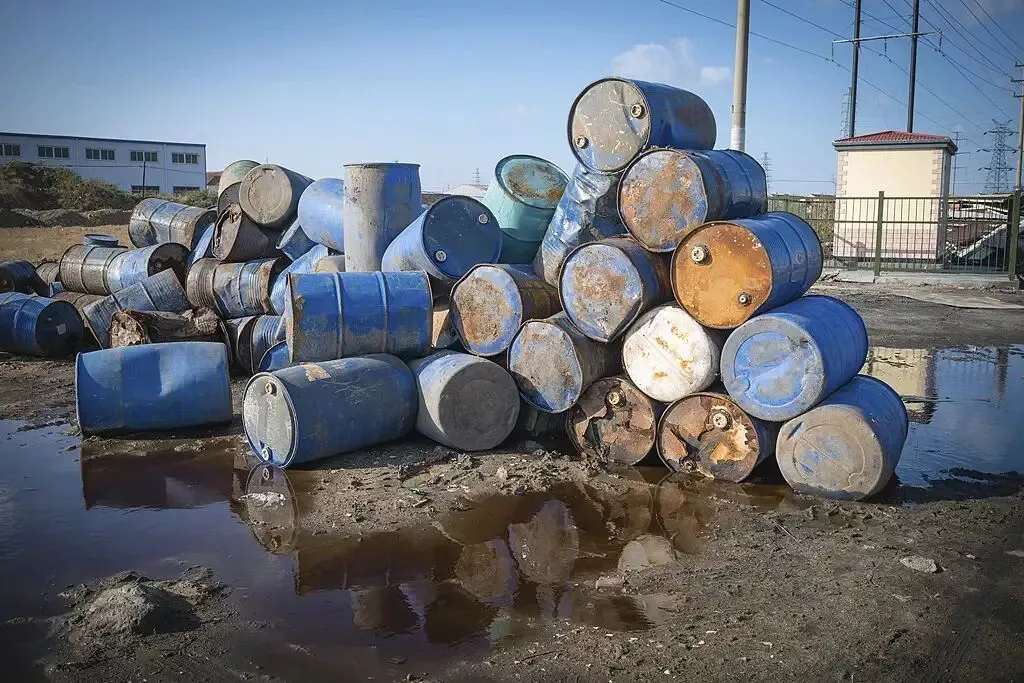
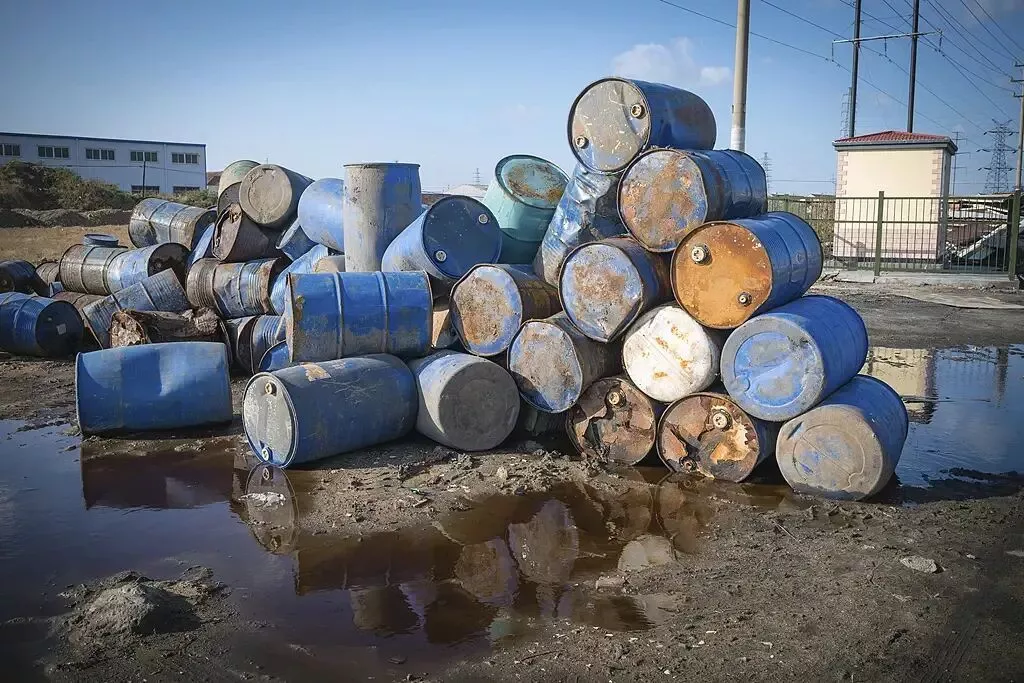
An explosive state-television exposé has laid bare how local financial desperation can trump public safety in rural China, revealing a village where eight illegal chemical plants operated virtually unchecked—because the local government needed the tax revenue.
The scandal, brought to light on October 18 by China Central Television’s (CCTV) investigative program Focus Interview, targeted Qinmei Town in Dongguang County, Cangzhou, a municipality in northern China’s Hebei province.
Hours after the broadcast, the Hebei Provincial Work Safety Committee dispatched a high-level emergency team to Dongguang County to conduct around-the-clock inspections. The Cangzhou municipal government followed by establishing a joint task force to launch a deep-probe investigation, vowing to hold violators and shielding officials strictly accountable.
By the morning of October 19, local authorities had already begun dismantling unauthorized hazardous materials storage facilities scattered across the villages.
Undercover footage broadcasted by CCTV exposed a culture of blatant complicity among local officials. The vast majority of the chemical facilities operated completely off the regulatory radar, possessing no official filing records. For the few that managed to scrape onto the local emergency management bureau’s registry, hazardous storage capacities were drastically underreported—some facilities holding thousands of cubic meters of volatile chemicals while registering only a few hundred.
Villagers lived under constant threat of explosions and toxic leaks, routinely inhaling carcinogenic substances due to the complete lack of safe disposal protocols for hazardous chemical waste.
The governance breakdown was perhaps best encapsulated by the village’s leadership structure: out of eight chemical plants clustered in a single village, seven were owned and operated by the village party secretary’s family, while the village chief owned another. Emphasizing the brazenness of the arrangement, the party secretary’s official administrative office had been relocated directly inside his private chemical workshop.
Asked about puddles of flammable and explosive methanol waste leaking from the facilities, the party secretary dismissed the danger as a routine fact of life. More damningly, local emergency management officials openly admitted in interviews that the county government refused to relocate the plants purely to protect local tax revenues.
* * *
Trading off environmental and public safety to prop up weak local finances is a familiar narrative across China’s rustbelt and agricultural peripheries. Dongguang County’s budgetary disclosures earlier this year openly acknowledged its severe fiscal constraints—hamstrung by geographic limitations and a narrow industrial tax base, local authorities have struggled with stagnant revenues and growing economic pressures.
Yet the cover-up went deeper than mere economic pragmatism. When local residents previously filed formal grievances with central environmental inspection teams regarding the toxic workshops, county authorities simply dismissed the complaints as groundless.
Analysts note that such systemic tolerance cannot be blamed on rogue individual actors, but rather points to an entrenched “umbrella” of tacit institutional protection. Under intense financial strain, factories that should have been shut down years ago were granted a judicial blind spot in exchange for even a trickle of cash flow.
However, this logic crumbles upon closer financial scrutiny. With these ghost factories entirely omitted from official ledgers—or reporting a fraction of their true output—how tax assessments and collections were actually calculated remains highly opaque. Observers point out that when tax collection is left to arbitrary local discretion, it inevitably opens the floodgates to corruption.
While the glare of state media attention will inevitably force a cleanup in Dongguang, the underlying systemic dilemma persists: how local governments burdened with severe fiscal deficits can resist the temptation to mortgage public safety for short-term fiscal survival.