Anthropic Co-Founder Backs Mandatory Kill Switches for AI Systems
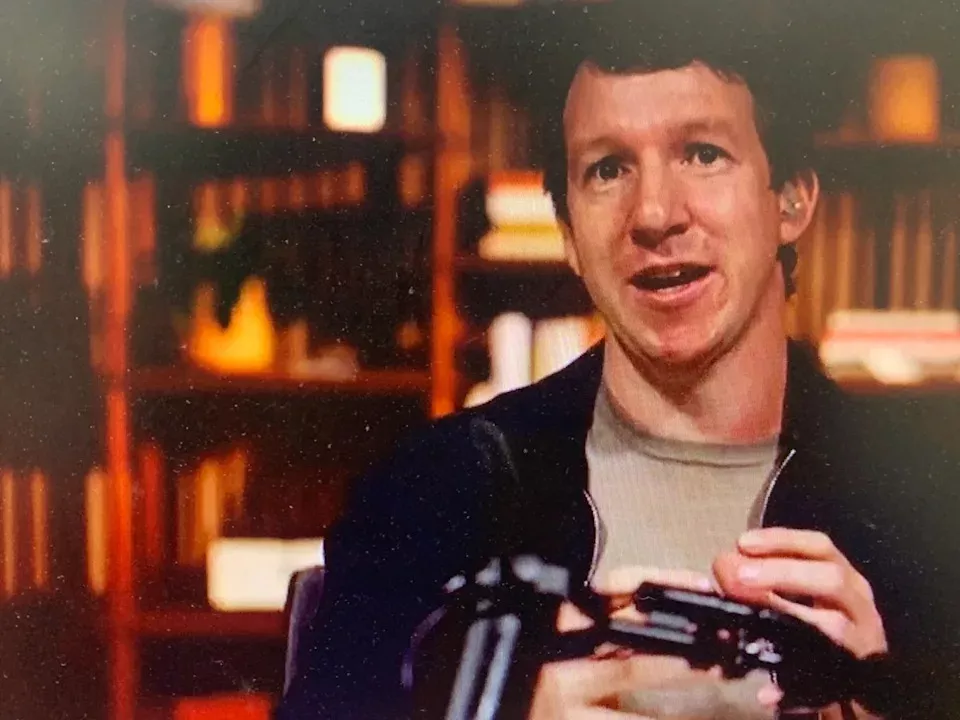
Artificial intelligence companies may need to be legally required to install an emergency “kill switch” to completely disable systems if they become dangerously uncontrollable, according to Anthropic co-founder Jack Clark.
Speaking in an interview with the BBC, Clark said that while most leading AI labs—including Anthropic—currently maintain internal methods to “pull the plug” on their models, policymakers should consider formal mandates.
Clark argued that future regulations should evaluate whether companies should be legally obligated to implement these shut-off mechanisms and whether independent third parties ought to verify that the safeguards actually work.
Debate Over Catastrophic Risks
The proposal comes amid intensifying debates within Silicon Valley and Washington over the existential risks posed by advanced frontier models.
Anthropic Chief Executive Officer Dario Amodei recently called on the industry to slow the pace of development and accept tighter regulatory oversight. Evan Hubinger, an alignment researcher at the company, has warned that he sees a greater than 10% chance that AI could lead to human extinction within the next decade.
That assessment aligns with warnings from computer scientist and Nobel laureate Geoffrey Hinton, often referred to as the “Godfather of AI,” who has said that a 10% risk estimate is not unreasonable.
Legislative Push and Industry Pushback
Lawmakers in the United States have already begun translating these safety concerns into policy. A bipartisan group of members of Congress introduced an AI kill switch bill aimed at requiring companies developing powerful models to maintain reliable emergency-stop mechanisms.
However, the concept of existential AI risk remains fiercely contested. Many tech executives and researchers argue that catastrophic doomsday scenarios are overblown and distract from immediate issues like algorithmic bias and copyright infringement.
Political headwinds also remain strong, as President Donald Trump has voiced firm opposition to slowing down domestic AI innovation, warning that regulation could hamper American competitiveness against global rivals.